Niacinamide and Vitamin C: How to Safely Use Them Together


Written by Dr Shamsa Kanwal - Dermatologist
Updated on December 15th 2025
Can you use Niacinamide and Vitamin C together? This question fuels endless searches, and the mixed advice can be confusing. Many people wonder whether Niacinamide cancels out Vitamin C, whether they should be used separately, or whether layering Niacinamide with Vitamin C can actually boost results.
Below, we explain how each works, how to layer them, and why this duo is one of skincare’s most reliable combinations for brighter, calmer, and stronger skin.
Key Highlights
-
Niacinamide and Vitamin C can be used together safely to brighten, smooth texture, and even tone; the idea that they cancel out is outdated.
-
Apply Vitamin C first on clean, dry skin, then Niacinamide. For sensitive skin, choose a single formula that combines both Niacinamide and BVOSC (gentler alternative of Vitamin C) to reduce irritation.
-
BVOSC is a gentler Vitamin C option suitable for most skin types, including sensitive and acne-prone.
-
Niacinamide supports oil control and barrier comfort while Vitamin C targets dark spots and dullness; expect early radiance in 3 to 4 weeks and clearer gains in 8 to 12.
 Hydration
 Soothing
 Radiance
 Clarity
What Do Niacinamide and Vitamin C Do For Your Skin?
Before layering your skincare products, it’s important to understand what each ingredient brings to your routine and how they work together.
Niacinamide (Vitamin B3)
Niacinamide, also known as Vitamin B3, is a multitasking ingredient that strengthens the skin barrier, helps reduce visible redness, and softens the look of enlarged pores [1]. It also helps regulate oil, which makes it especially useful for combination or acne-prone skin types [2]. The best part is its balance of power and gentleness. It delivers results without irritating sensitive skin.
For a deep dive on how Niacinamide can help reduce breakouts, oil production and post-acne marks, check out our full article: Does Niacinamide Help with Acne: Your Go-To Solution for Breakout Control
Vitamin C (Ascorbic Acid)
Vitamin C, or ascorbic acid, is a potent antioxidant that brightens dullness, targets uneven tone, and supports collagen production for firmer-looking skin [3]. It also helps defend against environmental stressors, including pollution and UV exposure, which contribute to premature skin aging. With consistent use, Vitamin C promotes a fresh, luminous look. If you are sensitive, a stable oil-soluble form called BVOSC, also known as tetrahexyldecyl ascorbate, can be a gentler alternative that supports radiance without irritating skin.
Curious how Vitamin C helps with post-acne pigmentation and dullness? Explore our expert piece: Does Vitamin C Help Acne? Benefits Explained by a Dermatologist.
Can You Use Vitamin C and Niacinamide Together?
Yes, you can use Vitamin C and Niacinamide together in the same routine. The old claim that they neutralize each other came from early lab conditions that used unstable Vitamin C, very low pH, and sustained heat. Those conditions do not reflect modern skincare formulas or real-world application. Today’s stabilized products play well together, and many dermatologists recommend pairing them for complementary benefits.
When layered correctly, Vitamin C or BVOSC focuses on brightening, antioxidant defense, and pigment control, while Niacinamide helps calm, hydrate, and reinforce the barrier. This is not Niacinamide vs Vitamin C. It is a strategic partnership that balances the skin. If you are wondering about order, apply Vitamin C first on clean, dry skin, then follow with Niacinamide, moisturizer, and SPF 30+ in the morning. If your skin is sensitive, choose BVOSC, the gentle oil-soluble alternative to traditional Vitamin C, and prefer a single product that already combines Vitamin C and Niacinamide. Professionally tested blends ensure compatibility, stable concentrations, and safety, which lowers irritation risk. Mixing separate serums can lead to ingredient incompatibility or overly strong combined percentages, increasing the chance of a reaction.
If you have sensitive or acne-prone skin, check every product in your routine with our free pore-clogging ingredients checker to avoid comedogenic additives that can interfere with brightening results.
Benefits of Combining Niacinamide and Vitamin C
When used together, Niacinamide and Vitamin C create a powerful combination that often delivers better results than using either ingredient on its own. Here’s how this pairing works in everyday skincare routines to enhance overall skin health.
Brightens and Evens Skin Tone
Vitamin C or BVOSC helps fade dark spots and visible dullness by targeting pigmentation at its source [4]. Niacinamide slows the formation of new discoloration and promotes a more even-looking tone across the face.
Protects Against Free Radical Damage
BVOSC acts as a potent antioxidant that helps neutralize free radicals generated by pollution and UV exposure. Niacinamide reinforces the skin barrier, which reduces oxidative stress over time and improves resilience with consistent use.
Calms and Soothes Irritation
Niacinamide supports the skin’s natural resilience by reducing redness, strengthening barrier lipids, and maintaining optimal hydration. When combined with BVOSC, it helps promote a calm, balanced complexion and enhances overall skin comfort.
Improves Skin Texture
With regular use, Vitamin C and Niacinamide help refine the look of pores and soften surface roughness. The result is a smoother feel and a more even finish.
Supports Collagen and Elasticity
BVOSC supports collagen synthesis for a firmer, more elastic appearance. Niacinamide complements this by improving overall barrier function and moisture retention, which helps fine lines look less pronounced.
How to Layer Niacinamide and Vitamin C
The safest and recommended approach is to choose a single product that already combines Vitamin C and Niacinamide. These formulas are professionally tested for stability, compatibility, and safety, which removes guesswork about concentrations and lowers irritation risk. If your skin is sensitive, look for BVOSC with a combination of Niacinamide.
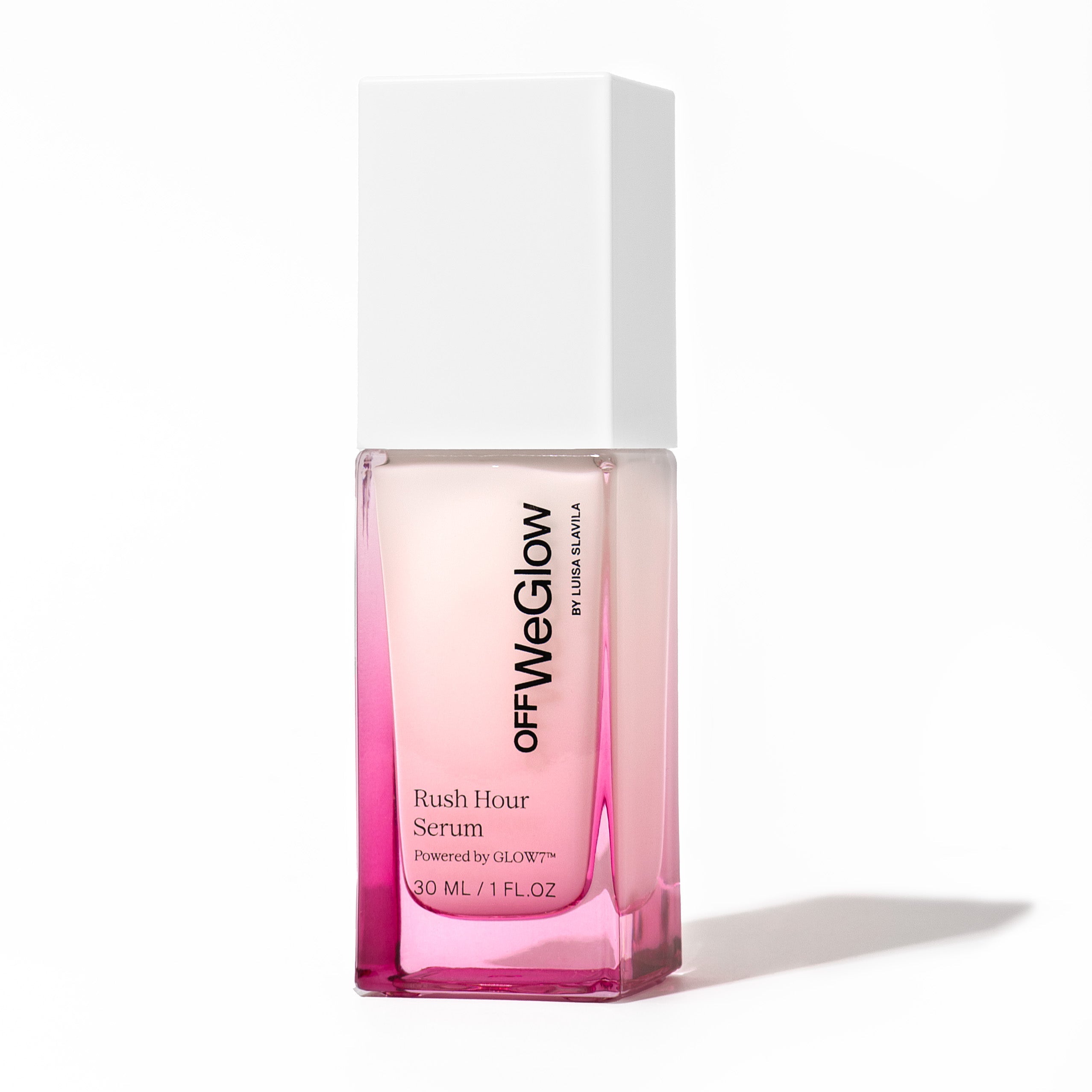
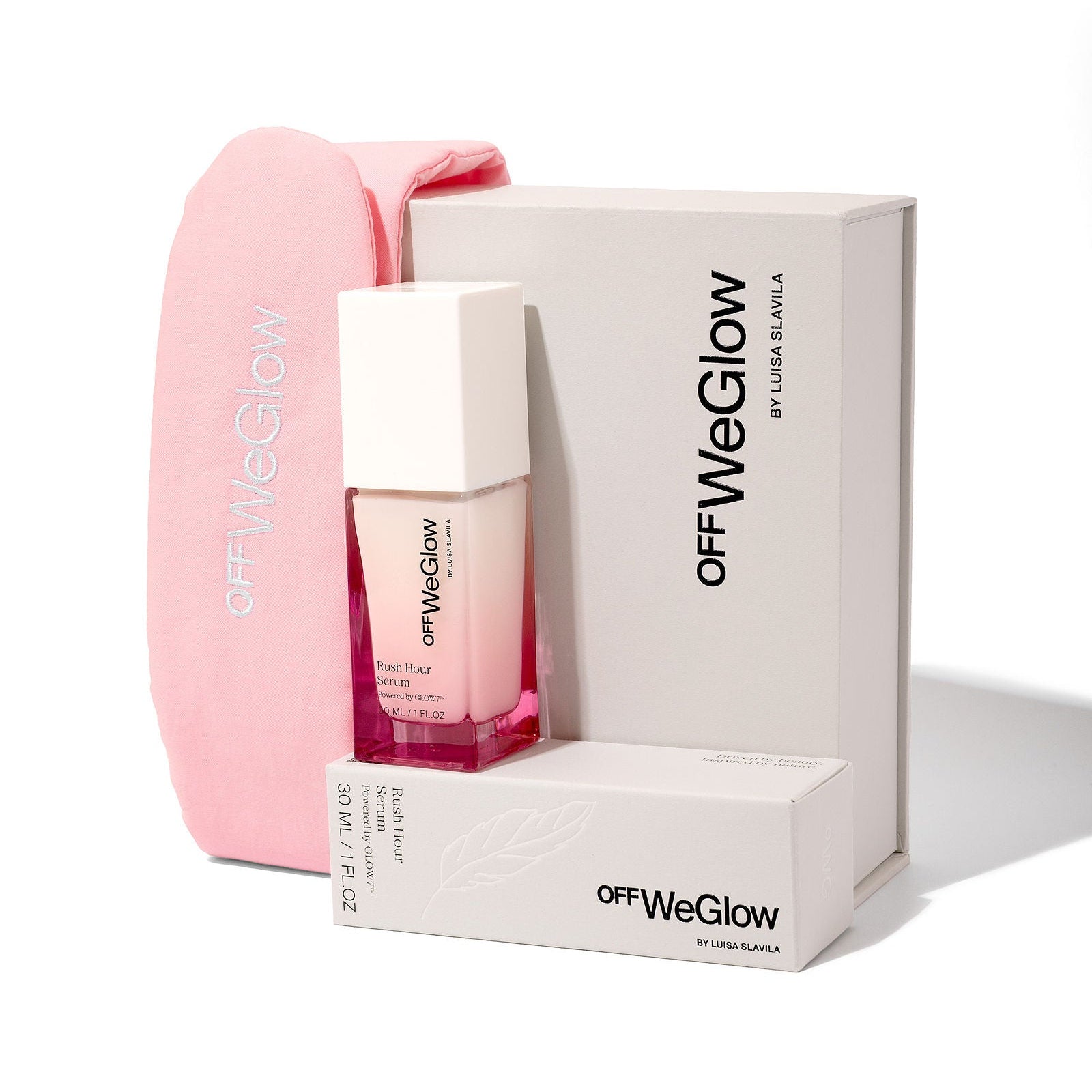
To experience these benefits in just one step, try Rush Hour Serum. It delivers a dermatologist-approved blend of Niacinamide and BVOSC designed for all skin types, including sensitive, acne-prone skin that struggles with uneven tone and dullness.
If you still prefer separate steps, use one of the approaches below.
Option 1: Vitamin C First, Then Niacinamide
Here’s the first way to layer them effectively:
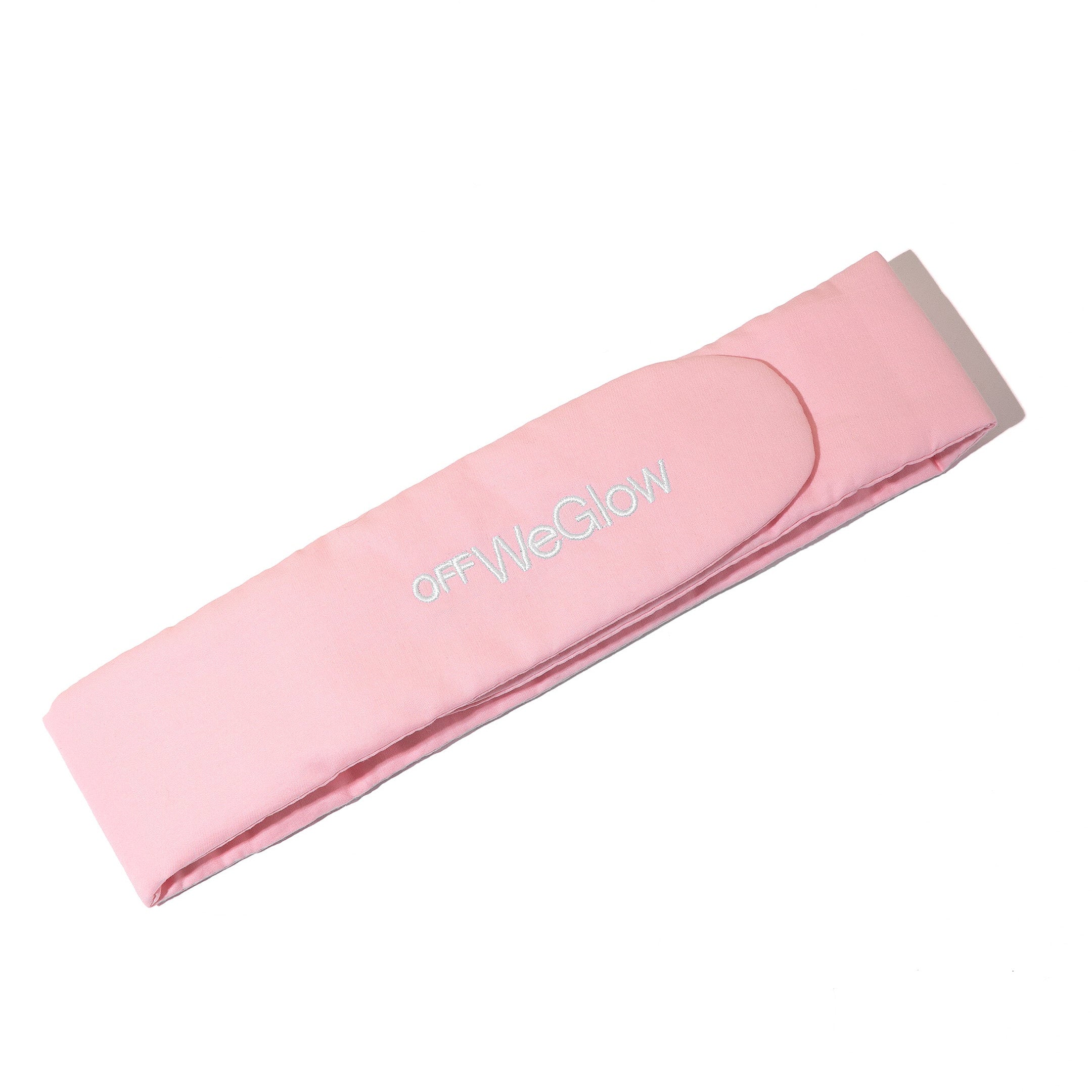
- For a cleaner application experience, use a vegan silk headband to keep hair away from your face while applying skincare.
- Start with a gentle, pH-balanced cleanser to remove oil and debris without stripping.
- Apply a BVOSC serum on clean, slightly dry skin. Pat in and allow about one minute to settle.
- Layer Niacinamide next. It helps buffer potential tingling and reinforces your barrier.
- Seal with a hydrating, non-comedogenic moisturizer. Calming complexes such as PEACHCALM and SYRICALM can be helpful.
- In the morning, finish with a broad-spectrum sunscreen SPF 30+ daily.
Option 2: Split Use Between Morning and Night
Here’s the 2nd way to layer them effectively:
- Even when you split use one in the morning and the other in the evening, high concentrations can still cause irritation, so start with low concentrations and patch test first.
- Apply BVOSC in the morning for antioxidant defense and daytime radiance.
- Use Niacinamide at night to calm, replenish, and support overnight recovery.
If you suspect you might have sensitive or reactive skin, our detailed guide on the 7 signs can help you tailor your routine: How to Know If You Have Sensitive Skin: 7 Signs Explained by a Medical Doctor.
How to Start Using Niacinamide with Vitamin C Safely
Here’s how to introduce Niacinamide and Vitamin C into your routine safely and effectively.

Before introducing any new active, it’s wise to review compatibility. Read our guide: What Not to Mix with Niacinamide: Top 4 Ingredients to Avoid for key ingredients to skip when pairing Niacinamide with other treatments.
FAQs About Using Niacinamide With Vitamin C
Here are a few of the most commonly asked questions about Niacinamide and Vitamin C:
-
Can you mix Niacinamide and Vitamin C?
Yes. Niacinamide and Vitamin C can safely be used together, and this pairing can enhance brightening and barrier support when layered correctly. It is recommended to use BVOSC, also called tetrahexyldecyl ascorbate, a stable oil-soluble form of Vitamin C with Niacinamide. BVOSC is also better tolerated by sensitive skin.
-
How long does it take to see results from Niacinamide and Vitamin C?
Timelines vary with skin type and concentration, but many people notice early improvements in brightness and texture within 3 to 4 weeks. For uneven tone and dark spots, steady use for 8 to 12 weeks usually gives clearer changes.
-
Can I use Niacinamide and Vitamin C if I have acne-prone skin?
Yes, Niacinamide and BVOSC can be helpful in acne-prone skin. Niacinamide helps regulate excess oil, refine the look of enlarged pores, and calm visible redness, while BVOSC helps reduce the look of post-acne marks and supports a more even tone.
-
Are there any ingredients I should avoid when using Niacinamide and Vitamin C?
Avoid pairing Niacinamide and Vitamin C in the same routine with strong acids or aggressive exfoliants, since that can increase irritation. In general, strong acids are best avoided. Do not layer benzoyl peroxide directly with Vitamin C, since it can cause the vitamin to oxidize and lose effectiveness. Always patch test new products and use SPF 30+ to protect your skin and maintain results.
Did You Know?
Your skin naturally holds more Vitamin C in the epidermis than in the deeper dermis, yet unprotected sun exposure can quickly drain those stores. Morning application helps replenish that pool, while Niacinamide supports the skin’s energy molecule NAD+, which fuels repair enzymes and increases natural ceramide production for a stronger barrier.
Takeaway
Niacinamide and Vitamin C complement each other, delivering a brighter tone, smoother texture, and stronger barrier when used consistently. BVOSC, a stable oil-soluble form of Vitamin C, is recommended for easier tolerance. Apply BVOSC first on clean, dry skin, then layer Niacinamide, or split them between morning and night if you are sensitive. Start with comfortable strengths, choose non-comedogenic hydration, and avoid strong acids. Expect early radiance in 3 to 4 weeks and clearer improvements in 8 to 12 weeks.
References
https://www.taylorfrancis.com/chapters/edit/10.1201/9781003414025-17
https://onlinelibrary.wiley.com/doi/abs/10.1111/ijd.17546
https://www.benthamdirect.com/content/journals/rafna/10.2174/012772574X311177240710100118
https://drbaileyskincare.com/pages/hyperpigmentation-and-dark-spots-treatment-with-skin-care