Does Ice Help Acne? The Viral Hack's Benefits and Risks


Written by Dr Shamsa Kanwal - Dermatologist
Updated on December 1st 2025
If you’ve been on TikTok or Instagram lately, you have probably seen people dunking their faces in bowls of ice water or rubbing cubes over breakouts for that instant glass skin look. Influencers claim that ice shrinks pimples, calms redness, and smooths texture, which makes it tempting to try. It is natural to wonder, does ice help acne, and does rubbing ice on your face help acne quickly before makeup or an event.
Here is the dermatologist's answer. Icing can quiet inflammation for a short time by cooling the surface and tightening tiny blood vessels, but the results are temporary. Before you add skin icing to your routine, it helps to understand how cooling affects skin, when ice is helpful, and when it is not the right tool.
Below, I explain what icing actually does, where it fits in a routine, and safe techniques you can use to get relief without irritating your skin.
Key Highlights
-
Ice can help inflamed pimples look calmer by briefly reducing redness, swelling, and pain.
-
Relief is temporary. Icing does not unclog pores, reduce bacteria, control oil, or fade scars.
-
Use wrapped ice for 1 to 2 minutes per area, a total of 5 to 10 minutes, and stop if skin feels numb, stings, or burns.
-
For better results, ice on clean skin and follow with a non-comedogenic routine. Ingredients like Niacinamide and BVOSC can support recovery and even tone over time.
 Hydration
 Soothing
 Radiance
 Clarity
What Happens When You Put Ice on Acne
When you apply ice to your skin, the surface temperature falls rapidly [1]. Your blood vessels respond with vasoconstriction, a protective narrowing of the vessels that supply the area [2]. This limits local blood flow and reduces plasma leakage into nearby tissues, which helps control swelling and visible redness [3].
That is why a few short cycles of ice on acne can make a tender papule or cyst look flatter and less red. By dampening this inflammatory cascade, icing can also reduce soreness and that throbbing sensation that comes with inflamed breakouts. Think of it as a quick, physical anti-inflammatory step, similar to icing a sprained ankle. It does not treat the cause of acne, but it can calm the look and feel of a flare while your active treatments do the heavy lifting.
Does Icing Your Face Help With Acne?
So, does ice help with acne? Yes, as a short-term symptom soother. When used properly, icing causes blood vessels to constrict, which can ease inflammation and temporarily lessen redness in inflamed pimples, including cystic flare-ups [4]. It can make spots look smaller for a few hours.
What icing does not do is treat acne at its root. It does not unclog pores, lower oil production, or reduce acne-causing bacteria, so it will not clear whiteheads and blackheads. It will not fade acne scars either. The best you can expect from icing is less surrounding redness for a short time.
When Ice Helps Acne and When It Doesn’t
To make things simpler, here is a quick breakdown of when putting ice on your face helps with acne and when it doesn’t.

Does icing your face help with acne scars?
A common question is, does icing your face help with acne scars? The answer is no. Ice on acne can calm visible redness in active breakouts, but it cannot lighten pigmentation or remodel scar tissue. Ice gives short-term relief. It is not a scar treatment, and it will not fade established marks.
If you’re unsure whether you’re dealing with acne scars or temporary discoloration, our guide on acne marks vs. acne scars breaks down the difference and explains which treatments actually help fade each type.
Treatment Options For Post-Acne Scars
Here are some targeted options that can help improve post-acne scars:
-
Vitamin C or BVOSC: It helps brighten up the skin, even out skin tone, and support collagen production without irritation [5].
- Niacinamide: It is a soothing antioxidant that reduces redness, fades discoloration, and strengthens the skin barrier [6].
-
Professional laser or light-based treatments: Consider these for deeper or textured scars that topical care cannot reach. Options include fractional non-ablative lasers 1550 or 1540 nm for atrophic scars, fractional ablative CO2 or Er:YAG for boxcar scars, microneedling radiofrequency for rolling scars and enlarged pores, picosecond lasers for textural change and post-acne marks, and vascular devices such as pulsed-dye laser 595 nm or KTP 532 nm for persistent redness.
When Not To Use Ice On Acne
Ice is simple and can be soothing, but it is not for every skin situation. Skip icing if any of the following apply.
-
The skin is broken, raw, peeling, or recently picked. Direct cold can worsen irritation and delay repair.
-
You have rosacea, very reactive skin, or a history of cold sensitivity. Sudden cooling may trigger flushing or a flare.
-
You feel burning, numbness, or sharp pain while icing. These are warning signs to stop.
If your skin feels tight, irritated, or easily inflamed — especially after breakouts — icing may not be the answer. Discover how to strengthen and protect your barrier with our expert guide on damaged skin barrier repair.
Overusing ice on acne can stress the skin barrier, leading to dryness and sensitivity. To stay safe, always wrap ice in a clean soft cloth, use gentle pressure, and limit contact to 1 to 2 minutes per spot with short breaks. Keep a total session around 10 minutes, then let the skin recover.
If you often react to temperature changes or new products, you may be dealing with sensitivity. Our dermatologist-reviewed guide on how to know if you have sensitive skin can help you understand your triggers before trying methods like icing.
How to Safely Use Ice for Acne
If you want to test this viral hack, do it the proper way. This keeps the benefits while reducing the risk of irritation. The method below is the safest way to start.
Step-by-Step Guide to Skin Icing
-
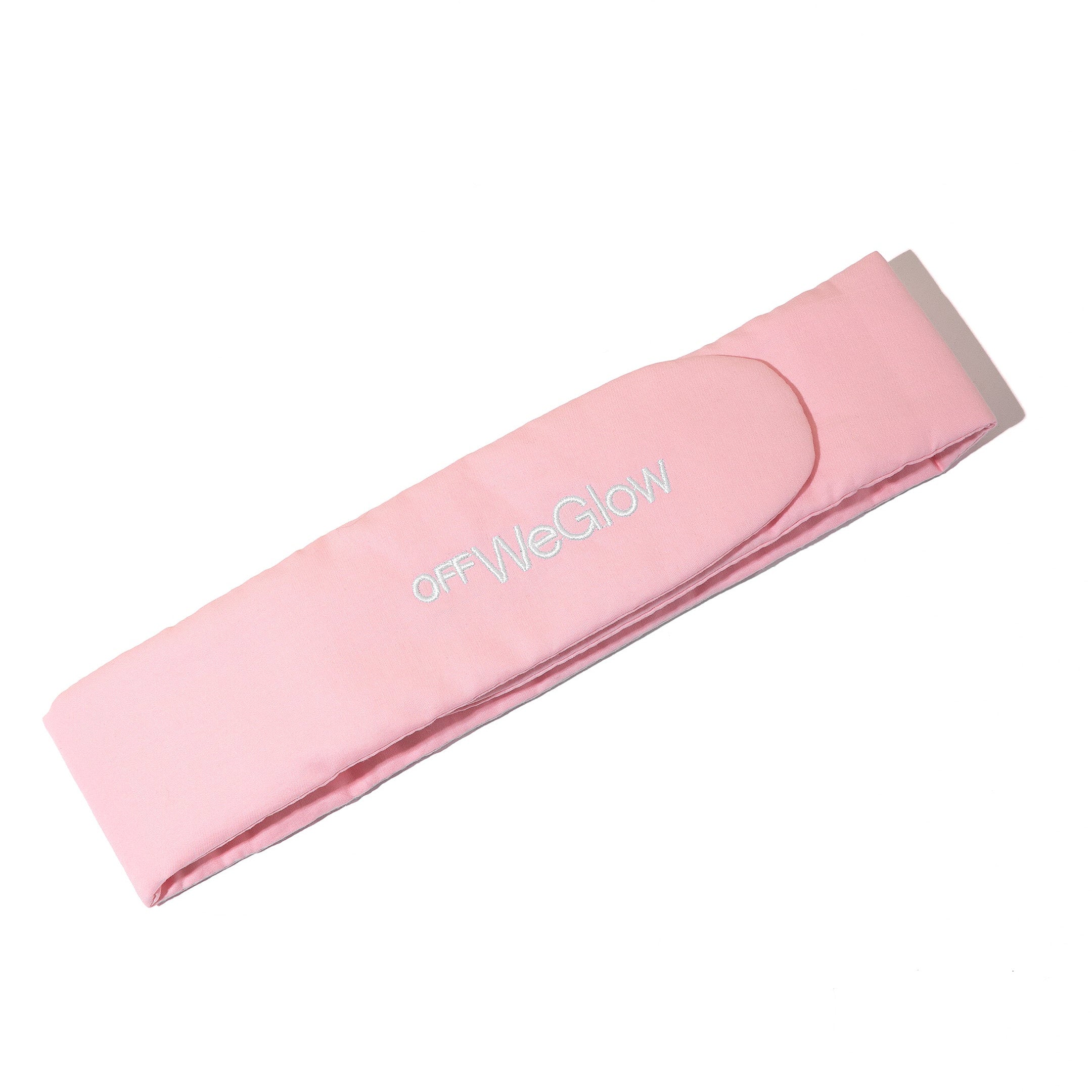
To keep hair away from your face, use a Vegan Silk Headband — it’s gentle, soft, and prevents product or water from touching your hairline, keeping your skincare routine clean and fuss-free.
-
Cleanse first. Wash with a mild, non-drying cleanser to remove oil, dirt, and makeup. This limits bacteria spread while you ice.
-
Never place ice directly on skin. Wrap a few cubes in a clean cotton cloth or soft tissue.
-
Apply in short cycles. Lightly press the wrapped ice on the pimple for 1 to 2 minutes, then lift. Glide rather than holding in one exact spot to reduce the risk of cold burn and rebound redness.
-
Rest, then repeat. Give skin a brief break and repeat once or twice if needed. Keep total contact time around 5 to 10 minutes for the whole session.
After the Icing Routine
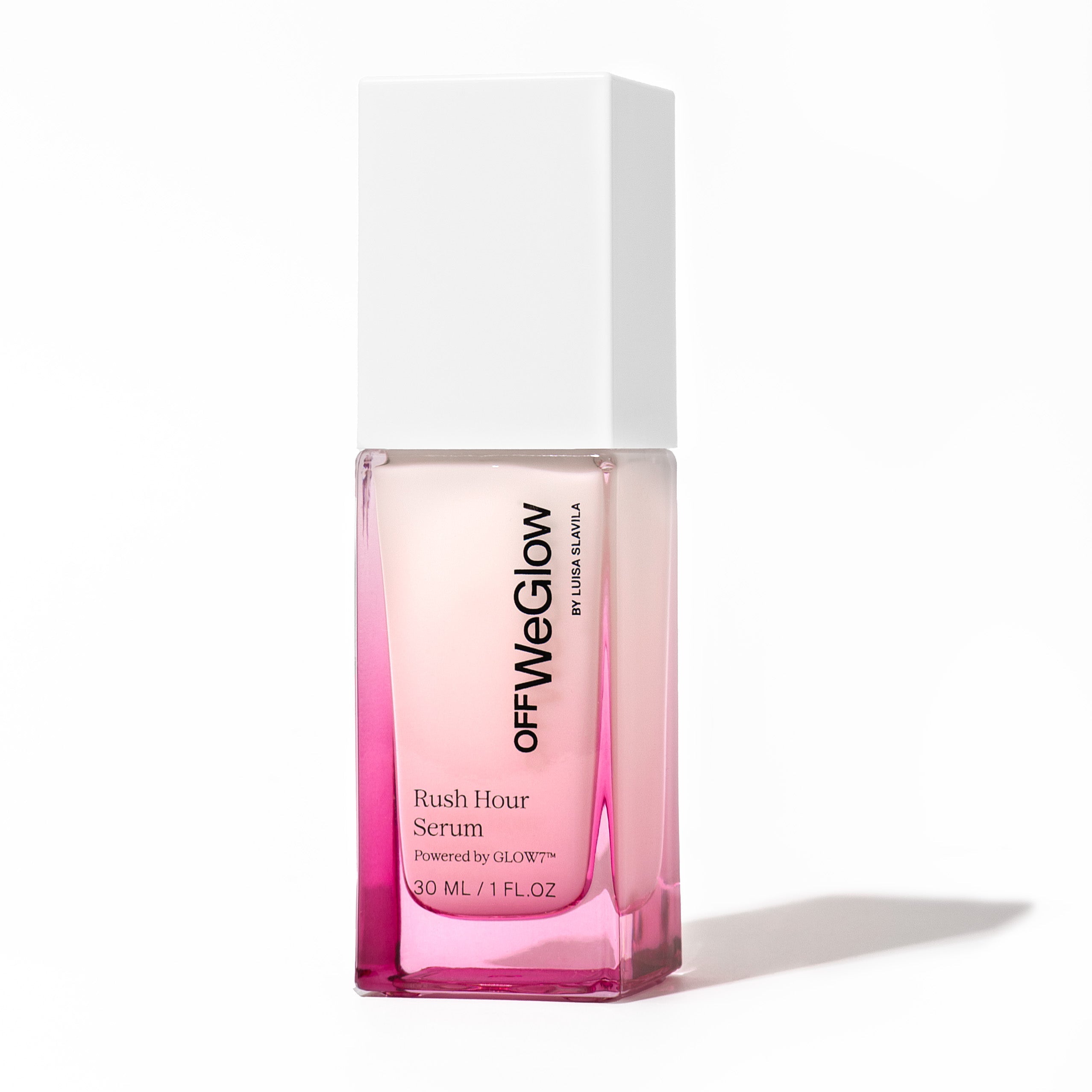
Follow with a lightweight, non-comedogenic routine that locks in moisture and supports the barrier. Layer a gentle serum like Rush Hour Serum that contains Niacinamide and Saccharide Isomerate to settle lingering redness and maintain hydration, then seal with a soothing moisturizer that includes PEACHCALM™ and SYRICALM™. If post-acne marks are a concern, add BVOSC, a stable Vitamin C, to help even tone over time while staying friendly to acne-prone skin.
If you’re unsure whether your products are safe for acne-prone skin, check them with the Off We Glow Pore-Clogging Ingredients Checker. It scans ingredient lists to help you identify pore-clogging components before they trigger breakouts — so you can keep your routine clean, balanced, and glow-friendly.
How Often Should You Ice During Breakouts?
Use icing once or twice a day during active flares or when skin feels hot and inflamed, keeping each contact brief. Less is more, so stop if you notice stinging, numbness, or sharp pain, and let skin recover. Between sessions, keep skin hydrated and avoid harsh scrubs or hot water.
FAQs About Does Ice Help Acne
Here are a few of the most commonly asked questions about ice and acne:
-
Can using ice on my acne cause long-term skin damage?
When used correctly, brief icing can calm an inflamed pimple without harming the skin. Overuse or strong pressure can cause cold burns or tiny broken capillaries that leave lingering redness. To stay safe, place a thin cloth between the ice and your skin, limit contact to 1 to 2 minutes at a time, and keep the total session short. Do not ice over broken skin, and avoid icing if you have rosacea.
-
Will icing my skin permanently shrink pores or improve overall texture?
No. Any pore tightening from cold is temporary and fades as the skin warms. Pores do not close permanently. For lasting texture improvement, follow a consistent skincare routine and protect your skin from the sun every day.
-
Should I ice my face right before applying makeup?
Yes, a brief ice session can reduce puffiness and visible redness, so the foundation applies more smoothly. After icing, gently pat the skin dry, apply a light moisturizer and a primer, and then proceed with makeup. The benefits are short-lived, so set makeup gently and carry blotting papers if you tend to get shiny.
-
Is it okay to ice my face during winter?
It can be safe, but use extra caution because cold, dry air already stresses the skin barrier. Limit icing to once daily, keep contact to 1 to 2 minutes, and moisturize immediately afterward. If your skin feels tight, stings, or turns more red, stop icing and focus on gentle hydration instead.
Did You Know?
A brief cold on the face can trigger the mammalian dive reflex, a built-in response that slows heart rate and tightens surface vessels, which is one reason redness can look quieter for a short time. Cold also activates TRPM8 receptors in the skin that dial down itch and stinging, so icing may feel soothing even before swelling visibly changes.
Takeaway
Icing offers short-term relief for inflamed breakouts, especially before events, but it is not a standalone acne treatment. Use a cloth barrier, limit contact time, and avoid icing broken or very reactive skin. For lasting control, combine brief icing with gentle cleansing, daily sunscreen, and targeted actives under dermatologist guidance.
References
www.sciencedirect.com/science/article/pii/S030645651100163X
https://link.springer.com/article/10.1186/s12984-018-0390-y
https://drjohnrusin.com/stop-icing-your-injuries/
https://www.mdpi.com/2076-3921/11/9/1663?utm_campaign=DSL_basta-anti-aging-kosttillskott