Acne Marks vs Acne Scars: How to Identify, Treat, and Prevent Them


Written by Dr Shamsa Kanwal - Dermatologist
Updated on October 20th 2025
Have you ever looked in the mirror after a breakout and wondered, will this spot fade away, or is it going to stay forever? That question is one of the biggest concerns of individuals struggling with acne. The truth is, not all post-acne spots leave permanent scars. Some will fade with time and the right care, while others may need targeted treatments.
In this guide, you will learn about the difference between acne marks and acne scars, and how to take back control of your skin with the most effective treatments available today.
Key Highlights
-
Acne marks are flat, while scars change skin texture and structure.
-
Use the texture test at home: smooth equals mark; a dip or a ridge equals scar.
-
Marks often fade in weeks to months with gentle care; scars improve with collagen-remodeling procedures.
-
A dermatologist's recommended routine features BV-OSC, Niacinamide, and gentle exfoliation.
- Treatment options for scars include microneedling, fractional lasers, fillers, and chemical peels.
 Hydration
 Soothing
 Radiance
 Clarity

Why Acne Leaves Marks vs Scars
Acne is one of the most common skin conditions in the world, and at its core, acne is an inflammatory condition [1]. It happens when pores become clogged with oil, dead skin cells, and bacteria. Your body reacts by creating inflammation, which you see as pimples, blackheads, or cysts [2]. When a pimple forms, your skin is essentially fighting a small infection within the pore. After the inflammation settles, the skin begins to heal. Sometimes acne itself can feel itchy or irritated before healing. If this happens, it’s worth learning the triggers and soothing strategies in our guide on itchy acne causes and relief.
During healing, two different results are possible. Extra pigment production or temporary dilation of tiny blood vessels can leave flat discoloration called acne marks. Deeper injury to the collagen network can change the skin’s structure and create acne scars. The result depends on the type of acne, skin type, genetics, sun exposure, and whether pimples were picked or squeezed. If you are comparing acne scars vs acne marks at home, look closely at the texture. A color change without a dip or a bump is a mark. Any indentation or raised area points to a scar.
If you have sensitive, acne-prone skin, the best way to prevent new breakouts is to check your routine for known comedogens. Use our free Pore-Clogging Ingredients Checker to scan your skincare labels and instantly spot ingredients that could block pores and worsen breakouts.
What Are Acne Marks?
Acne marks are technically known as post-inflammatory hyperpigmentation, or PIH, and post-inflammatory erythema, or PIE. These are the flat spots that appear after acne heals. They often look brown in deeper skin tones with PIH and red or pink in lighter skin tones with PIE. Excess melanin in PIH or dilated capillaries in PIE explains why these marks persist after the pimple is gone. In terms of texture, they are completely smooth, so you will not feel any dips or bumps. For a deeper dive into why they appear and how to treat them, see our guide on post-inflammatory hyperpigmentation.
What Are Acne Scars?
Acne scars are permanent changes in skin structure caused by damage to collagen during the healing process [3]. Unlike marks, they do not fade on their own. Scars alter the architecture of the skin, which is why they feel indented or raised when you glide your fingers over them.
Types of Acne Scars
Acne scars are generally divided into two main categories [3].
Atrophic Scars
Atrophic scars are the most common type and are characterized by indentations in the skin. They occur when inflammation damages the skin and the body does not produce enough collagen during the repair phase [4]. Atrophic scars include familiar patterns such as ice pick, boxcar, and rolling scars, which differ in depth and shape.
Hypertrophic and Keloid Scars
Hypertrophic and keloid scars result from an overproduction of collagen during healing [5]. These scars are raised above the surface of the skin and can feel firm or thick to the touch. Keloids may extend beyond the original breakout area, while hypertrophic scars usually stay within the boundaries of the initial lesion.
How Long Do Acne Marks vs Acne Scars Last?
Acne marks are temporary. Most fade on their own within a few weeks to several months, and some can linger up to a year without the right care. Sun exposure can prolong hyperpigmentation, which is why daily broad-spectrum SPF 30+ and reapplication every 2 hours outdoors are essential [6]. Some people believe the sun clears acne, but it’s actually just a short-term effect. Learn the truth in our breakdown on does the sun help acne.
Acne scars are different. They are permanent texture changes that do not fade naturally with time. Their appearance can still improve with a consistent plan that targets collagen remodeling.
If you are unsure how to know if you have acne scars, close your eyes and glide your fingers over the area. Smooth skin with only color change points to a mark. Any dip or raised area suggests a scar that may need procedures.
Skincare Routine for Acne Marks and Scar Prevention
A focused routine can speed the fading of acne marks and support healthy repair. It will not erase deep scars, yet it can soften early texture changes and prevent new ones.
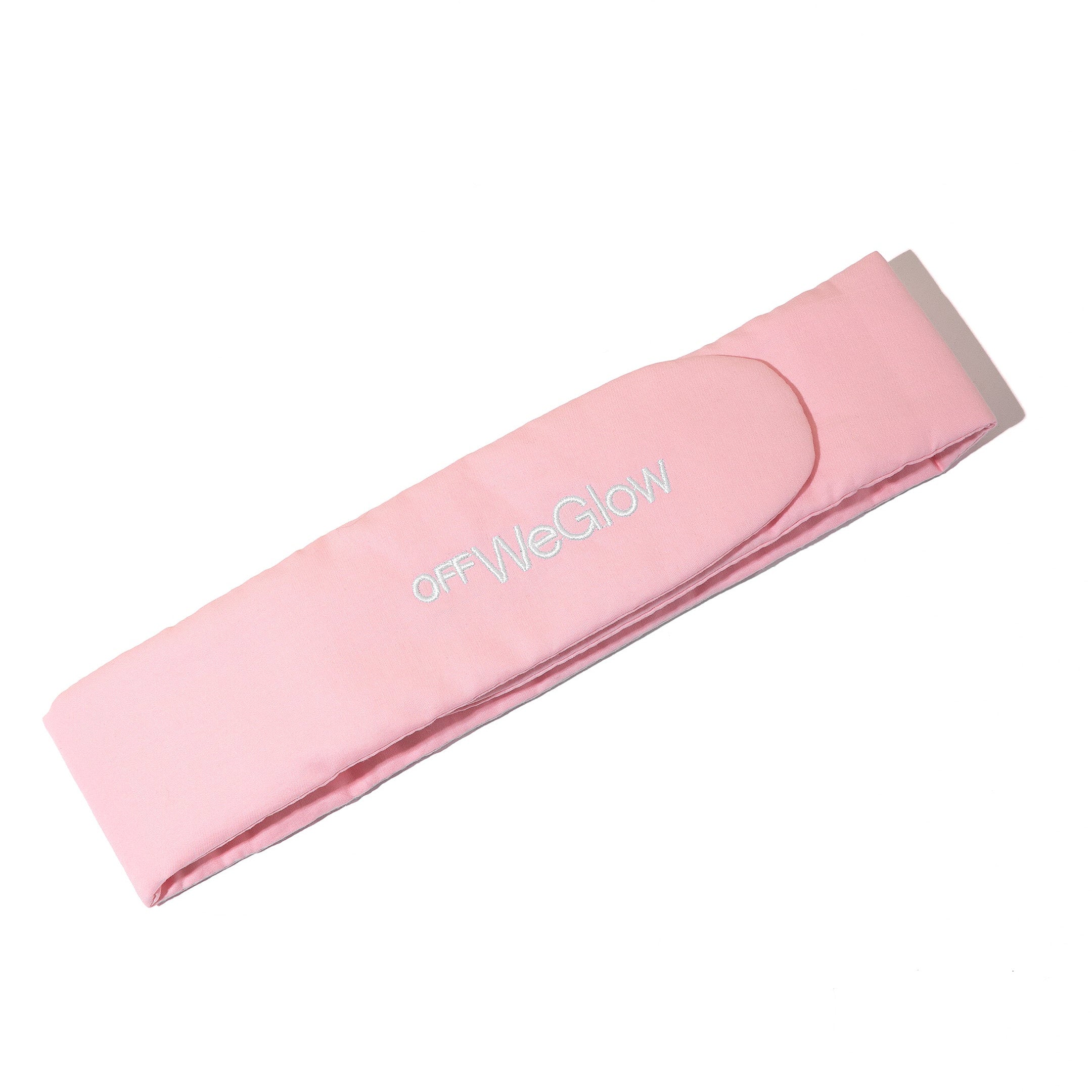
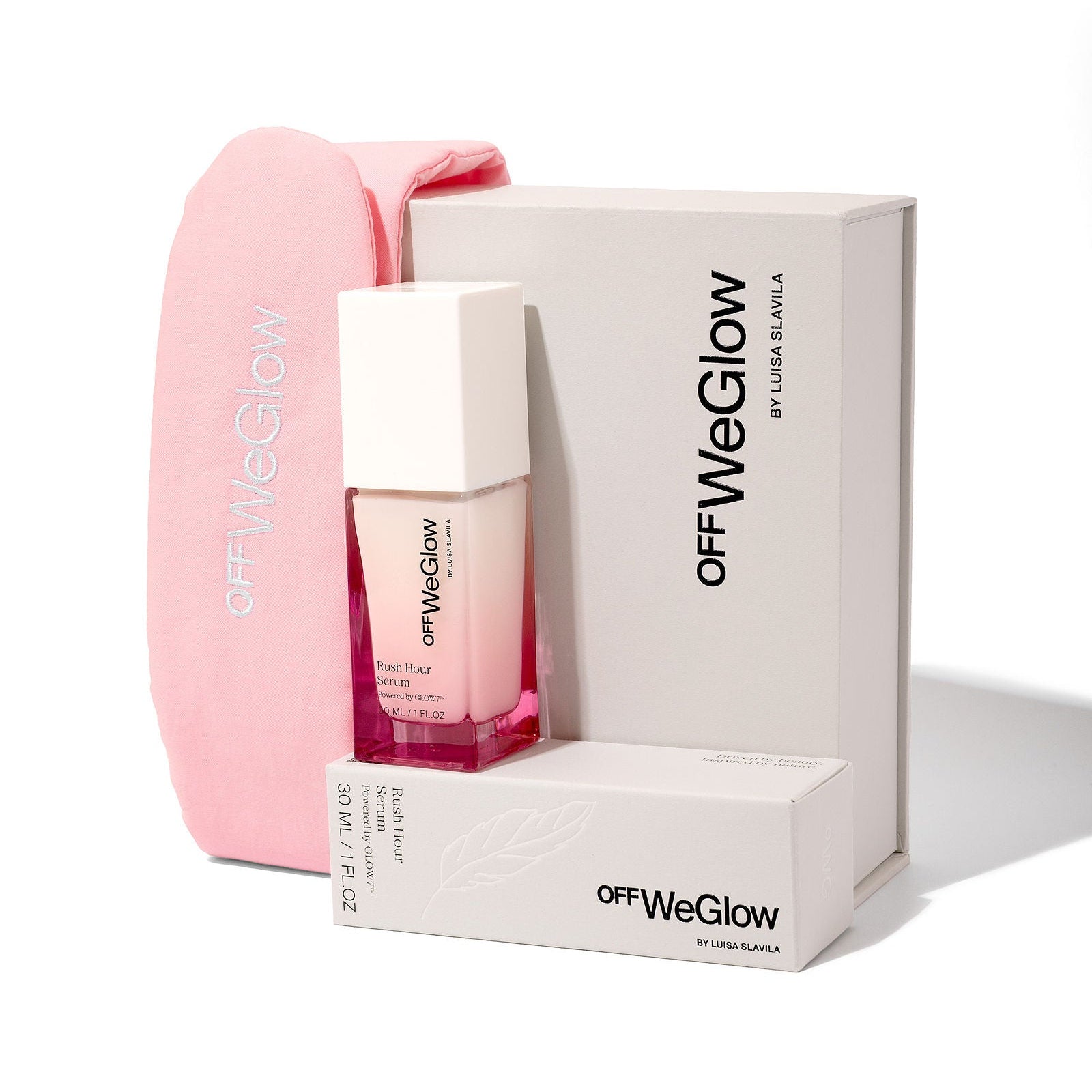
Before starting your routine, keep hair away from your face to avoid product transfer. A silk skincare headband is a soft, non-pulling way to keep skin clear while elevating your ritual into a spa-like experience.
Gentle Cleanser
Use a mild, non-stripping cleanser to lift oil and impurities without weakening the barrier.
BV-OSC Vitamin C
In the morning, apply BV-OSC, a stable form of vitamin C that penetrates well, supports collagen repair, and gradually lightens dark spots, which is especially helpful for acne marks [7].
Niacinamide
At night, use Niacinamide for calming and brightening. It helps reduce redness, regulate excess oil, and fade post-acne discoloration over time [8].
Gentle Exfoliation
Choose skin-friendly options such as jojoba beads, oatmeal powders, or fruit enzymes like papaya or pineapple extracts. Use once or twice weekly and stop if you notice stinging. Gentle exfoliation helps fade discoloration and improve overall tone, but the right method depends on your skin type. Learn more in our guide on how to exfoliate for a healthy glow.
Moisturizer
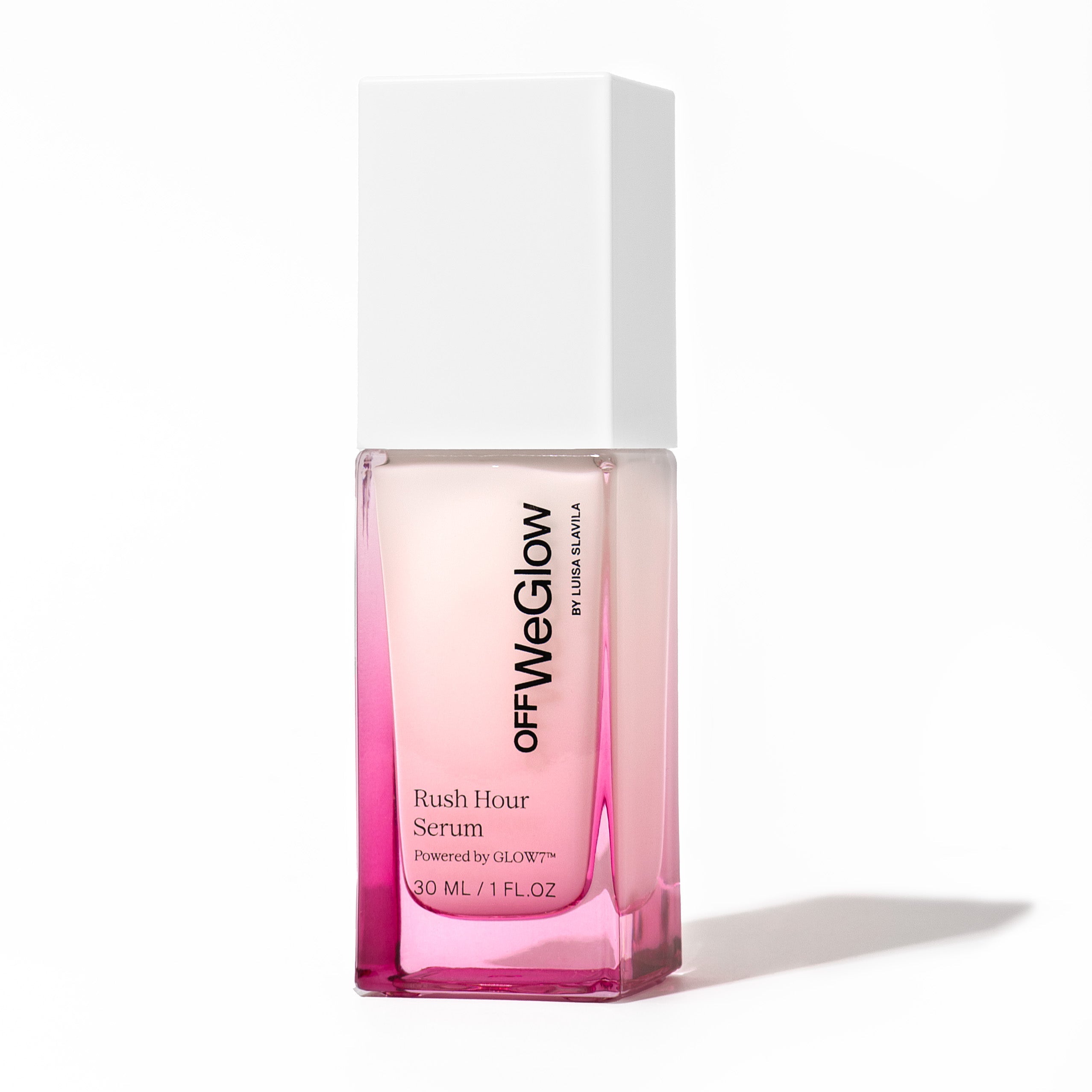
Choose a non-comedogenic, hydrating moisturizer containing ingredients like PEACHCALM™ and SYRICALM™ to protect the skin barrier and lock in moisture. They also help in reducing irritation and dryness. To support fading acne marks while keeping your skin barrier strong, try our Rush Hour Serum for acne-prone skin. It’s formulated with Niacinamide, Saccharide Isomerate, and the soothing actives mentioned above in order to calm redness, hydrate deeply, and promote a more even skin tone.
Sunscreen
Apply a broad-spectrum SPF 30+ every morning and reapply every 2 hours when outdoors [6].
Professional Dermatological Treatments for Acne Marks and Acne Scars
Targeted procedures can make a visible difference in acne marks and scars. Treatment options include:
Microneedling
Microneedling creates controlled micro-injuries that stimulate collagen, which gradually smooths uneven texture in a series of sessions.
Laser Therapy
Different lasers address different concerns. Vascular and pigment lasers reduce redness and brown marks. Fractional resurfacing lasers improve the texture and depth of scars.
Dermal Fillers
For deeper or depressed scars, fillers lift the skin to create a smoother surface. Results are immediate but temporary, so maintenance treatments are usually needed.
Chemical Peels
Medical acid peels exfoliate the upper skin layers to fade post-acne marks, refine texture, and unclog pores. Superficial peels such as glycolic, salicylic, or lactic acid help with pigmentation and mild roughness. Medium-depth peels may address a more pronounced texture. Multiple sessions are usually needed, and strict sun protection is essential after the peel.
Acne Scars vs Acne Marks: Key Differences Recap
A visual breakdown of key differences between acne marks and scars is given below:

FAQs About Acne Scars vs Acne Marks
Here are a few of the most common questions about acne scars vs acne marks:
-
Can acne marks and scars come back once they fade?
Acne marks usually fade once your skin tone evens out. They can appear again only if new breakouts leave fresh discoloration or if sun exposure darkens healing areas. Scars are structural changes. Treatments can reduce their appearance, but durability varies by method. Fillers are temporary and need maintenance, while collagen-remodeling options like microneedling or fractional lasers give gradual, longer-lasting improvement rather than a permanent erase. New breakouts can create new scars, which is why preventing active acne is as important as treating existing marks or scars.
-
How can I prevent new acne scars from forming?
Treat breakouts early and gently. Avoid picking or squeezing, wear broad-spectrum SPF 30+ daily, and keep a consistent routine with skin-calming, non-comedogenic products. If you are breakout-prone or notice painful nodules, see a dermatologist early to lower the risk of long-term texture change.
-
Do acne scars look different on darker skin tones?
Yes. In deeper skin tones, scars may look darker and can be raised or thick due to a higher risk of keloids. Careful treatment selection is important to avoid triggering more pigmentation. Procedures are often tailored with conservative settings and strict sun protection to protect tone and texture.
-
How do I know if I have acne scars or just marks?
Use the texture test. Close your eyes and glide your fingers over the area. If the skin feels smooth but looks red, pink, or brown, it is likely an acne mark. If you feel a dip or a raised area, it is likely a scar that may need in-clinic procedures. The time test helps too. Marks usually fade in weeks to months with daily SPF 30+ and brightening care, while scars do not fade on their own.
Did You Know?
Skin keeps remodeling after a breakout for several months. That remodeling phase is when collagen is reorganized, which is why earlier, well-chosen procedures often achieve more visible smoothing than very late ones.
Takeaway
Most acne marks fade with consistent care, sun protection, and calm routines, while scars improve with targeted procedures that remodel collagen. If you are unsure whether you are seeing acne marks vs acne scars, use the texture test and then get guidance from a dermatologist. With the right plan, clearer and healthier skin is achievable.
References
https://www.nature.com/articles/nrdp201529
https://d1wqtxts1xzle7.cloudfront.net/ACNE_CAUSES_AND_AMAZING_REMEDIAL_MEASURE.pdf
https://journals.sagepub.com/doi/full/10.1177/2054270414540139
https://www.frontiersin.org/journals/public-health/articles/10.3389/fpubh.2020.00450/full