How to Tell If a "Sensitive Skin" Serum Is Actually Safe (A Skeptic's Checklist)


Written by Luisa Slavila - Founder of Off We Glow
Updated on September 15th 2026
If you have ever chosen a serum because the label described it as "gentle," "clean," or "made for sensitive skin," only to experience stinging, redness, or discomfort, you may now be understandably cautious about trying something new. Reassuring packaging can make a product sound suitable, but the claims on the front of the bottle rarely tell the whole story.
Social media can make the decision even more confusing. A serum that works beautifully for one person may feel uncomfortable on someone else's skin, even when both people describe their skin as sensitive. Individual experiences can be helpful, but they cannot replace ingredient transparency, relevant product testing, and an understanding of your own triggers.
Sensitive skin is not simply about choosing the product with the most comforting label. Your response may be influenced by skin barrier function, sensory nerve activity, the complete formula, how often you use the product, and what else is already in your skincare routine.
This article explains what sensitive skin really means and provides a practical checklist to help you answer an important question: Is this serum safe for sensitive skin like yours?
 Hydration
 Soothing
 Radiance
 Clarity
- Key Highlights
- Can Any Serum Be Guaranteed Safe for Sensitive Skin?
- What Does Sensitive Skin Really Mean?
- Why Can Sensitive Skin Sting Without Looking Irritated?
- Sensitive Skin and a Compromised Barrier: What Is the Difference?
- Why Can Skincare Trigger Sensitive Skin?
- How to Evaluate a Serum for Sensitive Skin: Your Checklist
- What Do "Clean," "Clinically Tested," and "Dermatologist Tested" Actually Mean?
- How Do You Patch Test a New Serum?
- How to Look Beyond Sensitive-Skin Marketing Claims
- How Does Rush Hour Serum Measure Up Against the Checklist?
- FAQs
- Did You Know?
- Conclusion
Key Highlights
Sensitive skin can involve burning, stinging, or itching even when the skin looks normal, and it is not always the same as a compromised skin barrier.
Claims such as "gentle," "clean," "hypoallergenic," and "made for sensitive skin" should be treated as starting points, not guarantees of tolerance.
Review the complete ingredient list, fragrance, non-comedogenic claims, your existing routine, and the testing performed on the finished formula.
Rush Hour Serum is fragrance-free, free from essential oils, and underwent an HRIPT involving 56 participants, although individual results may vary.
Can Any Serum Be Guaranteed Safe for Sensitive Skin?
No serum can be guaranteed to suit every person with sensitive skin. Terms such as "gentle," "clean," "hypoallergenic," and "for sensitive skin" may sound reassuring, but they cannot predict exactly how your skin will respond. Even a thoughtfully formulated and clinically tested serum may contain an ingredient that does not agree with your individual skin.
In the United States, terms such as "hypoallergenic" and "for sensitive skin" do not have standardized federal definitions [6]. These descriptions should therefore be treated as a starting point rather than proof that a product will be free from irritation or allergic reactions.
Instead of relying on the label alone, review the complete ingredient list, look for clear information about testing performed on the finished formula, and consider how the serum will fit into your existing routine. Introducing one new product at a time can also make it easier to identify what caused a reaction if discomfort develops.
What Does Sensitive Skin Really Mean?
Sensitive skin is more than simply having skin that "gets irritated easily." Dermatologists and researchers generally describe it as a syndrome involving unpleasant sensations such as stinging, burning, itching, tingling, tightness, or pain in response to stimuli that would not normally cause those sensations [1]. These symptoms may occur with visible redness, but the skin can also appear completely normal.
This means you can have sensitive skin even when there is no obvious rash, peeling, swelling, or inflammation in the mirror. Sometimes the first sign is simply that a serum that feels comfortable on someone else causes your skin to sting, burn, or feel unusually tight. These sensations may begin soon after application or develop as the product is used repeatedly.
Sensitive skin is also common and can occur across different skin types. Someone may have dry and sensitive skin, while another person may have oily, acne-prone, and sensitive skin. The word "sensitive" describes how the skin responds, not how much oil it produces or whether it is prone to breakouts.
However, persistent itching, swelling, scaling, blistering, or a recurring rash should not automatically be dismissed as sensitive skin. These signs may indicate allergic contact dermatitis, eczema, rosacea, or another condition that requires evaluation by a dermatologist.
Why Can Sensitive Skin Sting Without Looking Irritated?
There is no single mechanism that explains every case of sensitive skin. Research suggests that skin barrier function, epidermal cells, inflammatory pathways, and the cutaneous nervous system may all play a role [2]. Altered sensory nerve responses may help explain why someone experiences burning, stinging, or itching even when there is little visible inflammation.
The skin's outermost layer, called the stratum corneum, also matters. It helps regulate water movement through the skin and forms part of the protective barrier between your body and the external environment. When barrier function is disrupted, water loss can increase, leaving the skin drier and more vulnerable to external triggers.
However, sensitive skin is not simply another term for a damaged skin barrier. Someone can experience sensitivity even when the skin looks normal, while another person may develop temporary sensitivity after disrupting the barrier through excessive cleansing, over-exfoliation, or an overly complicated routine.
Sensitive Skin and a Compromised Barrier: What Is the Difference?
These terms are often used interchangeably online, but they are not exactly the same. A compromised skin barrier refers to impaired barrier function. Excessive cleansing, over-exfoliation, environmental exposure, and repeated irritation can all contribute to barrier disruption.
Sensitive skin, by comparison, describes how the skin experiences and responds to different stimuli. The two concerns can overlap. A disrupted barrier may make skincare products feel more uncomfortable, while someone with naturally reactive skin may be more likely to notice stinging or burning after certain exposures. This is why simply buying a product labeled "barrier repair" may not provide the complete answer to every sensitive-skin concern.
Why Can Skincare Trigger Sensitive Skin?
The answer can be surprisingly complex. A serum may feel uncomfortable because of irritation, an allergic reaction, an already compromised skin barrier, or heightened reactivity within the skin's sensory pathways. Environmental factors also matter. Research has identified temperature changes, dry air, wind, and pollution as potential sensitive-skin triggers [3].
Your daily routine can further influence how sensitive skin reacts to skincare. If you introduce several products at once, combine multiple potentially irritating ingredients, or continue exfoliating already uncomfortable skin, it becomes harder to identify what is causing the reaction. This does not mean active ingredients are always unsuitable for sensitive skin. It means that concentration, frequency, formulation, and cumulative exposure all matter.
How to Evaluate a Serum for Sensitive Skin: Your Checklist
Once you understand what can make skin reactive, choosing a serum becomes less about trusting words such as "gentle" or "for sensitive skin" and more about examining the formula and supporting evidence. You do not need to memorize every cosmetic ingredient, but there are several details worth checking before adding another serum to your routine.
The Seven-Question Checklist
Before you add a serum to your cart, work through these seven questions. If you cannot answer most of them, that is usually a sign to keep looking.
Can you see the complete ingredient list before buying, not just the handful of highlighted actives?
Does the formula contain anything you already know your skin does not tolerate?
Is it labeled fragrance-free rather than unscented?
Is it labeled non-comedogenic, if your skin is prone to clogged pores?
Was the finished formula tested, and does the brand explain who took part, what was measured, and what the results showed?
Does it duplicate something already in your routine, or does it replace a step?
Can you introduce it on its own, without starting two or three other new products the same week?
Start With the Complete Ingredient List
The front label explains how a product is marketed, but the complete ingredient list provides more useful information about the formula. When learning how to read a skincare ingredient label, consider:
Which ingredients are included?
Are there ingredients you already know your skin does not tolerate?
Does the formula contain several potentially irritating ingredients?
Does it address your main skincare goal?
Does it duplicate products already in your routine?
Ingredients are generally listed in descending order of predominance, although ingredients present at concentrations of 1% or less may appear in a different order [4]. However, you cannot determine whether a serum is suitable simply by spotting one ingredient near the beginning or end of the list. Concentration matters, but so do ingredient combinations, delivery systems, texture, and the overall formulation.
Look for Fragrance-Free Rather Than Unscented
If you know fragrance tends to irritate your skin, choosing a fragrance-free serum is one of the simplest filters you can apply. Fragrance can cause irritation or allergic contact dermatitis in some people. Dermatologists commonly recommend products labeled "fragrance-free" rather than relying on the term "unscented" when fragrance sensitivity is a concern.
Unscented does not necessarily mean fragrance-free. An unscented product may contain fragrance ingredients that mask the natural odor of other ingredients without giving the finished formula a noticeable scent [5].
When reviewing the ingredient list, remember that individual fragrance components may not always be named separately. Under U.S. cosmetic labeling rules, they may be listed collectively as "Fragrance" or "Parfum," meaning the specific ingredients within the fragrance mixture may not be disclosed [6].
Consider Your Whole Routine, Not Just One Ingredient
Sensitive skin does not necessarily mean you must avoid all active ingredients. The more important question is how many potentially irritating ingredients you are using and how they fit together within your routine.
For example, someone may use a cleanser, exfoliating product, brightening treatment, and serum, with each containing ingredients that could cause irritation. Each product may be well tolerated on its own, but repeatedly layering several potentially irritating formulas can increase cumulative irritation in some people.
When choosing a serum, do not judge it by one ingredient name alone. Its concentration, formulation, frequency of use, and the current condition of your skin barrier can all influence how your skin responds. A carefully formulated product can still feel uncomfortable if it is introduced too quickly or combined with an already intensive routine.
Consider a Non-Comedogenic Formula If You Are Acne-Prone
Comedones are clogged pores that develop when oil, dead skin cells, and other material accumulate inside a hair follicle. They may appear as open comedones, commonly called blackheads, or closed comedones, commonly called whiteheads [7].
If your skin is prone to clogged pores, consider a serum labeled non-comedogenic, particularly when choosing a product you plan to use regularly. However, non-comedogenic does not mean irritation-free, and it cannot guarantee that a product will never cause a breakout.
You can also paste the complete ingredient list into the Free Pore-Clogging Ingredients Checker to identify ingredients commonly associated with pore congestion. Use the results as a helpful screening tool rather than a guarantee, since the complete formulation, ingredient concentrations, frequency of use, and your individual skin response also matter.
Ask Whether You Actually Need Another Serum
Before buying a serum, review what you already own. Do you use one serum for hydration, another for radiance, another for uneven-looking skin tone, and another for soothing? Layering several formulas may expose your skin to overlapping ingredients while making it difficult to determine which product is helping or causing discomfort.
A serum containing several complementary ingredients may allow you to simplify your targeted skincare step instead of layering multiple separate products. A more manageable routine can reduce product overload and make it easier to understand how your skin responds to what you are actually using.
What Do "Clean," "Clinically Tested," and "Dermatologist Tested" Actually Mean?
When comparing serums, you will probably encounter claims such as "clean," "clinically tested," and "dermatologist tested." These terms are not interchangeable, and none automatically guarantees that a product will suit sensitive skin.
Clean. Brands may define this term differently, so check the brand's stated criteria, which ingredients are excluded, and why.
Clinically tested. This indicates that some form of clinical evaluation was conducted, but the value of the claim depends on what was tested, who participated, what was measured, and what the results showed.
Dermatologist tested. This suggests dermatologist involvement, but the wording alone does not explain the dermatologist's role, the testing protocol, or the results.
Look beyond the headline claim. Ask whether the finished formula was tested, who participated, what outcomes were measured, and whether limitations were disclosed. These details tell you far more than reassuring words on the front of the bottle.
How Do You Patch Test a New Serum?
A patch test will not predict every possible reaction, but it is a low-effort way to catch an obvious problem before you apply a new product across your whole face.
Choose a small, discreet area. The inner forearm is easy to monitor. Behind the ear or along the jawline sits closer to facial skin and can be more representative.
Apply a small amount to clean, dry skin. Use roughly the amount you would normally apply to that area.
Leave it alone. Avoid washing, rubbing, or applying other products over the same spot.
Repeat once daily for several days. Some reactions appear immediately, while others develop only after repeated exposure.
Watch for stinging, burning, itching, redness, small bumps, or swelling. If any of these appear, wash the area and stop using the product.
If your skin stays comfortable, you can start using the serum on your face, ideally on its own rather than alongside two or three other new products.
Keep the limits in mind. A patch test tells you how one small area responded over a short period. It cannot rule out a reaction that develops weeks later, or one that only appears once the serum is combined with something else in your routine. If you have reacted badly to cosmetic products before, or you are unsure how to interpret what you are seeing, a dermatologist can guide you through this more safely.
How to Look Beyond Sensitive-Skin Marketing Claims
Skincare claims can help you narrow down your options, but they become more meaningful when you understand what supports them. Use this quick comparison to move beyond reassuring label language and ask the questions that reveal more about the formula and its testing.

How Does Rush Hour Serum Measure Up Against the Checklist?
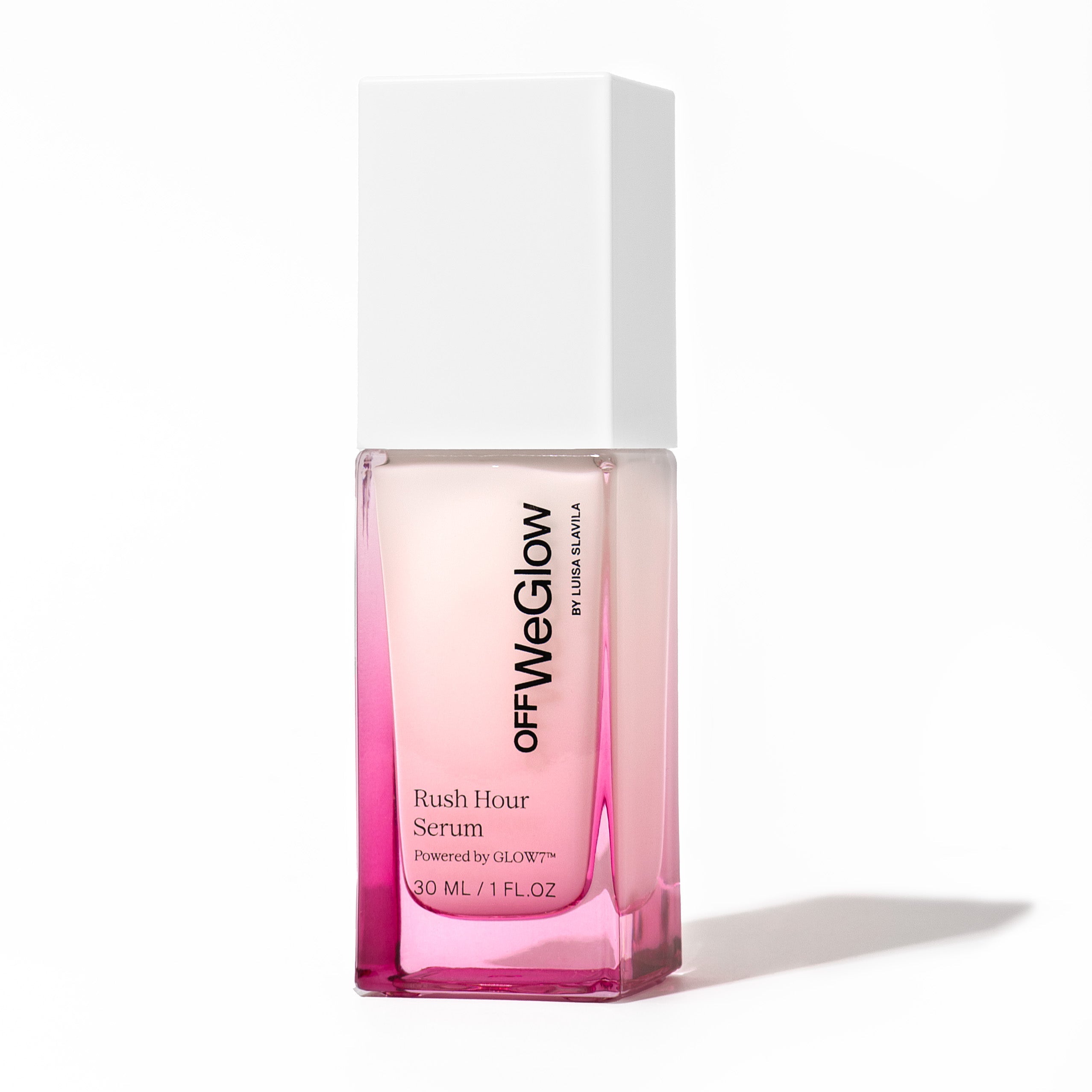
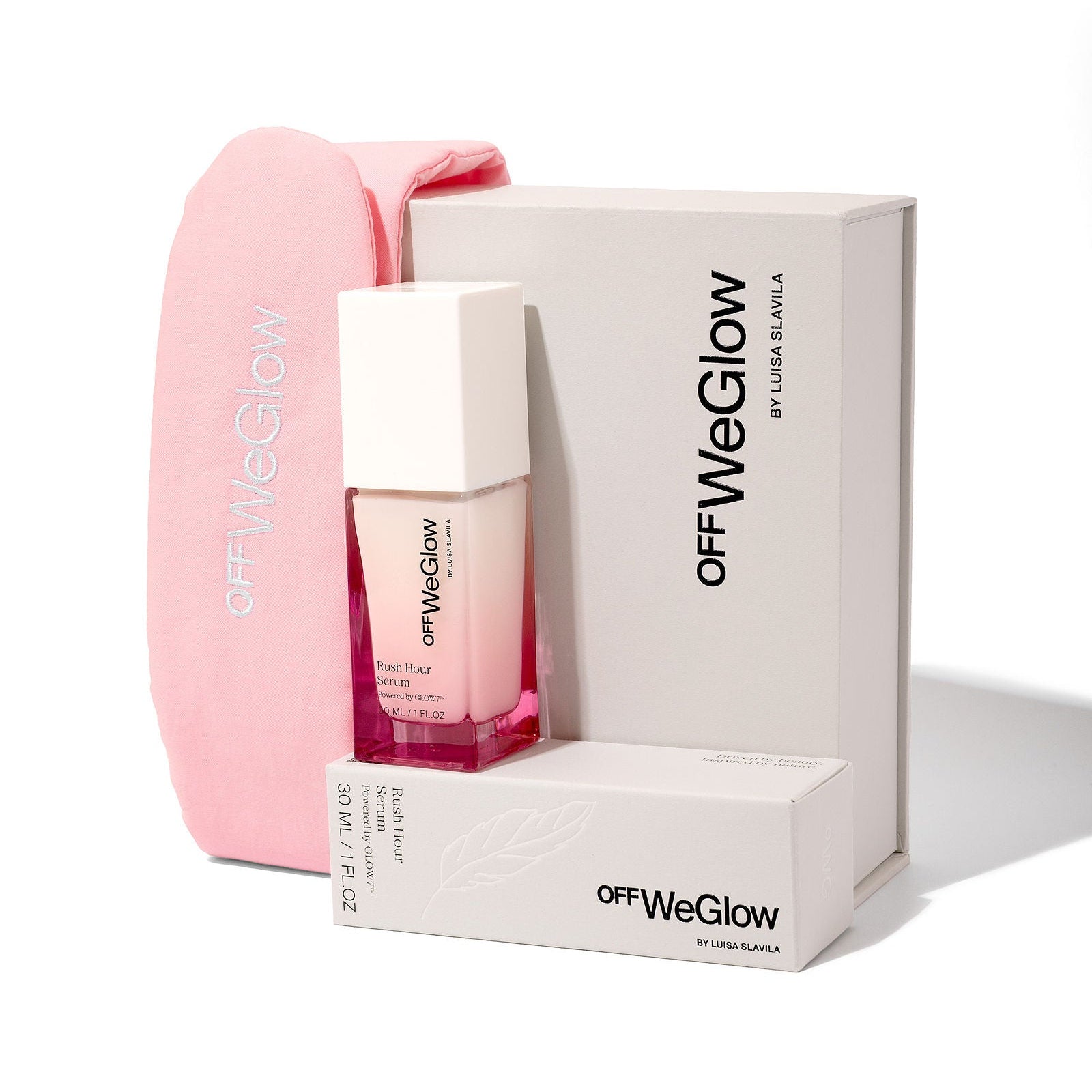
If you are looking for a serum for sensitive or reactive skin, Rush Hour Serum provides several of the details covered in this checklist. Its complete ingredient list is available, and the formula is fragrance-free, free from essential oils, and described as non-comedogenic.
Its GLOW7™ complex contains seven carefully selected actives: Niacinamide, BV-OSC (Tetrahexyldecyl Ascorbate), Saccharide Isomerate, PEACHCALM™, SYRICALM®, UNYSOOTH™, and SEPIBLISS™ FEEL. Together, these ingredients are designed to support hydration, skin comfort, a more even-looking tone, and a healthy-looking complexion.
The finished product also underwent an HRIPT under dermatologist supervision involving 56 participants with self-perceived sensitive skin. No signs of irritation or allergic contact sensitization were observed under the study conditions. This provides useful product-specific information under the study conditions. Individual results may vary, and a cautious patch test before full-face application is still recommended.
FAQs About Choosing a Serum for Sensitive Skin
Here are a few of the most commonly asked questions about serums for sensitive skin:
-
Can a fragrance-free serum still irritate sensitive skin?
Yes. Fragrance is only one possible trigger. Other ingredients, their concentrations, the overall formulation, your existing routine, and the condition of your skin barrier can all influence how your skin responds. Fragrance-free does not mean reaction-free.
-
Why does my skin react to some products but tolerate others?
Skin sensitivity can involve several factors, including barrier function, sensory responses, ingredient concentration, and the complete formulation. How frequently you apply a product and what you combine it with can also affect tolerance. Two serums may therefore feel very different even when they target the same concern.
-
What should I do if a serum makes my skin sting?
If a serum causes persistent or significant stinging, burning, itching, or redness, stop using it and simplify your routine. Avoid applying additional exfoliating or potentially irritating products while your skin feels uncomfortable. If the reaction does not settle, keeps returning, or is accompanied by swelling or a rash, consult a dermatologist.
-
How can I tell if a skincare product is causing my breakout?
Consider when the breakout began and whether you recently introduced a new product or changed how frequently you use an existing one. Introduce only one new product at a time so changes are easier to identify. If you are prone to clogged pores, choosing non-comedogenic products and reviewing the complete ingredient list can be useful, although neither can guarantee that a breakout will not occur.
Did You Know?
Different areas of your face may react differently to the same serum. The skin around the eyes is thinner and often more delicate than the skin on the cheeks or forehead, which is why a product may feel comfortable in one area but sting in another.
Conclusion
Choosing a serum for sensitive skin should not depend entirely on whether the bottle says "gentle," "clean," or "dermatologist tested." Sensitive skin may involve barrier function, sensory responses, environmental triggers, and individual reactions to ingredients or formulations.
Before choosing a serum, review the complete ingredient list, consider fragrance and your known triggers, evaluate how the product fits into your current routine, and look for clear information about finished-product testing. Introduce one new product at a time and pay attention to how your skin responds.
Rush Hour Serum combines seven GLOW7™ actives in one targeted formula. It is fragrance-free, free from essential oils, and has undergone an HRIPT involving 56 participants with self-perceived sensitive skin. Individual results may vary, so introduce it carefully and let your skin's response guide you. If reactions continue despite simplifying your routine, a dermatologist can help you identify possible triggers and make more confident skincare choices.
References
1. PubMed — National Library of Medicine
2. PubMed — National Library of Medicine
3. PubMed — National Library of Medicine
4. U.S. Food & Drug Administration — Cosmetics Labeling Requirements
5. U.S. Food & Drug Administration — Fragrances in Cosmetics
6. U.S. Food & Drug Administration — Allergens in Cosmetics
7. American Academy of Dermatology — Acne Symptoms
About the Author
Luisa Slavila is the Founder of Off We Glow, an award-winning skincare brand created for sensitive, reactive, and acne-prone skin. After years of struggling to find products that felt both effective and gentle, she developed Off We Glow to simplify skincare with clinically tested, fragrance-free formulas designed to support the skin barrier and promote healthy-looking skin.