Can Dry Skin Cause Acne? What's Really Going On and What Helps


Written by Dr Shamsa Kanwal - Dermatologist
Updated on October 7th 2026
It can be confusing to get pimples when your skin feels tight or flaky, since acne is usually linked to oily skin. But dry skin can still make enough oil to clog pores, and harsh cleansers or acne treatments can dry it out even more.
Below, we explain how the two connect and how to build skincare for dry, acne-prone skin that helps both.
 Hydration
 Soothing
 Radiance
 Clarity
Key Highlights
Dry skin does not directly cause acne, but dryness and irritation can make acne-prone skin harder to manage.
Dry or dehydrated skin can still produce enough sebum to contribute to clogged pores and breakouts.
Benzoyl Peroxide, Salicylic Acid, Retinoids, and Isotretinoin may cause dryness, peeling, or irritation, so gradual use and proper moisturization can improve tolerability.
A simple routine with gentle cleansing, non-comedogenic hydration, appropriate acne treatment, and daily sunscreen can support dry, acne-prone skin.
Can Dry Skin Cause Acne?
Dry skin does not directly cause acne, but it can make acne-prone skin more difficult to manage. Acne develops when follicles become clogged with sebum and dead skin cells, with inflammation also playing a role [1]. Dryness and irritation can make acne treatments harder to tolerate, while excess sebum can still contribute to clogged pores even when your skin feels dry [2].
How Dry Skin and Breakouts Feed Each Other
Dry skin and acne are separate concerns, but they can affect each other in ways that make your skin more difficult to manage. Dryness may occur alongside excess oil, follicular buildup, irritation, or repeated use of products that strip the skin barrier.
Dryness Can Push Skin to Make More Oil
Dryness and oiliness can occur at the same time, which is one reason acne-prone skin can feel so unpredictable. According to the American Academy of Dermatology, when your skin becomes dry, your body may respond by producing more oil [3]. That additional oil can mix with dead skin cells and contribute to clogged pores.
This is also why repeatedly trying to remove every trace of oil may work against you. Harsh cleansing or excessive washing can leave the skin feeling tighter and more irritated without addressing what is happening inside the follicle.
Follicular Cell Buildup Can Contribute to Clogged Pores
Acne begins inside the hair follicle. When sebum and keratinized skin cells accumulate within the follicle, they can contribute to a blockage called a comedone, which may develop into a blackhead or whitehead [4]. Inflammation can then contribute to papules, pustules, and other acne lesions.
Importantly, this follicular buildup is not the same as the visible dry flakes you may notice on the skin's surface. Scrubbing those flakes away does not clear the underlying follicle and may instead make already dry or sensitive skin more irritated.
A Weakened Barrier Makes Skin More Reactive
Your skin barrier helps limit water loss and protects the skin from environmental stressors and potential irritants. Acne itself can be associated with changes in barrier function, while acne treatments may also contribute to dryness, peeling, and sensitivity.
A 2023 review published in the Journal of Cosmetic Dermatology describes acne as being associated with epidermal barrier dysfunction and notes that dryness and irritation related to acne and its treatments can affect how well people tolerate and continue their treatment routines [5].
If your skin is also burning, stinging, unusually sensitive, or persistently irritated, it may be helpful to learn more about damaged skin barrier repair and simplify your routine while your skin recovers.
Over-Stripping Keeps the Cycle Going
When your skin feels oily, congested, or covered in rough patches, it can be tempting to cleanse more often, use a stronger cleanser, or scrub the skin more aggressively. However, stronger skincare is not necessarily more effective skincare.
If your skin regularly feels tight or uncomfortable immediately after cleansing, take that as a sign to reassess your cleanser or how often you are washing. Adding more products afterward may not compensate for a cleansing routine that is repeatedly leaving your skin dry or irritated.
Is Your Skin Dry, Dehydrated, or Both?
Dryness and dehydration are related, but they are not exactly the same. Dry skin generally has fewer surface lipids and may have more difficulty maintaining moisture, while dehydrated skin has reduced water content in its outermost layer. You can experience either condition or both at the same time, and acne-prone skin can still produce enough sebum to contribute to clogged pores.
Some common clues include:
Your skin feels tight or uncomfortable after cleansing.
You notice visible flaking, rough patches, or areas that feel unusually dry.
Your skin feels dry earlier in the day but becomes noticeably shiny later.
Dryness becomes more noticeable during colder weather, in low humidity, or after using drying acne treatments.
These signs can overlap, so they are useful clues rather than a definite diagnosis of your skin type. If your skin suddenly changes or remains persistently uncomfortable, consider whether your routine, environment, or acne treatment may be contributing.
Can Acne Treatments Dry Out Your Skin?
Yes. Common acne treatments, including Benzoyl Peroxide, Salicylic Acid, topical Retinoids, and oral Isotretinoin, can cause dryness, peeling, tightness, or irritation. These effects do not automatically mean that the treatment is unsuitable for your skin. In many cases, the routine may need to be adjusted so the treatment is easier to tolerate.
Dryness is particularly worth addressing because an uncomfortable routine can make it harder to use acne treatment consistently. Supporting the skin with gentle skincare for dry, acne-prone skin, including appropriate moisturization, can make treatment easier to continue.
How to Make Acne Treatments Easier to Tolerate
For topical treatments, irritation can sometimes be reduced by introducing them gradually, beginning with a lower strength when appropriate, or using them every other day at first if the product instructions or your dermatologist allow it. Increasing frequency slowly gives your skin more time to adjust.
For some topical Retinoids, a cream formulation may feel less drying than a gel, particularly if your skin is already dry or sensitive. Applying a moisturizer before or after a topical Retinoid can also help improve comfort and tolerability. Using more treatment than directed is unlikely to clear acne faster and may simply increase irritation.
Note: If you are using a prescribed acne treatment, especially oral Isotretinoin or a prescription Retinoid, speak with your dermatologist or healthcare professional before changing the dose, frequency, or way you use it.
Skincare for Dry, Acne-Prone Skin
When your skin is both dry and acne-prone, the goal is not to choose between treating acne and moisturizing your skin. A well-balanced routine should support hydration and barrier comfort while avoiding unnecessary products that can increase irritation or congestion.
Keeping your routine relatively simple also makes it easier to identify which products are helping and which may be making your dryness, sensitivity, or breakouts worse.
AM Routine for Dry, Acne-Prone Skin
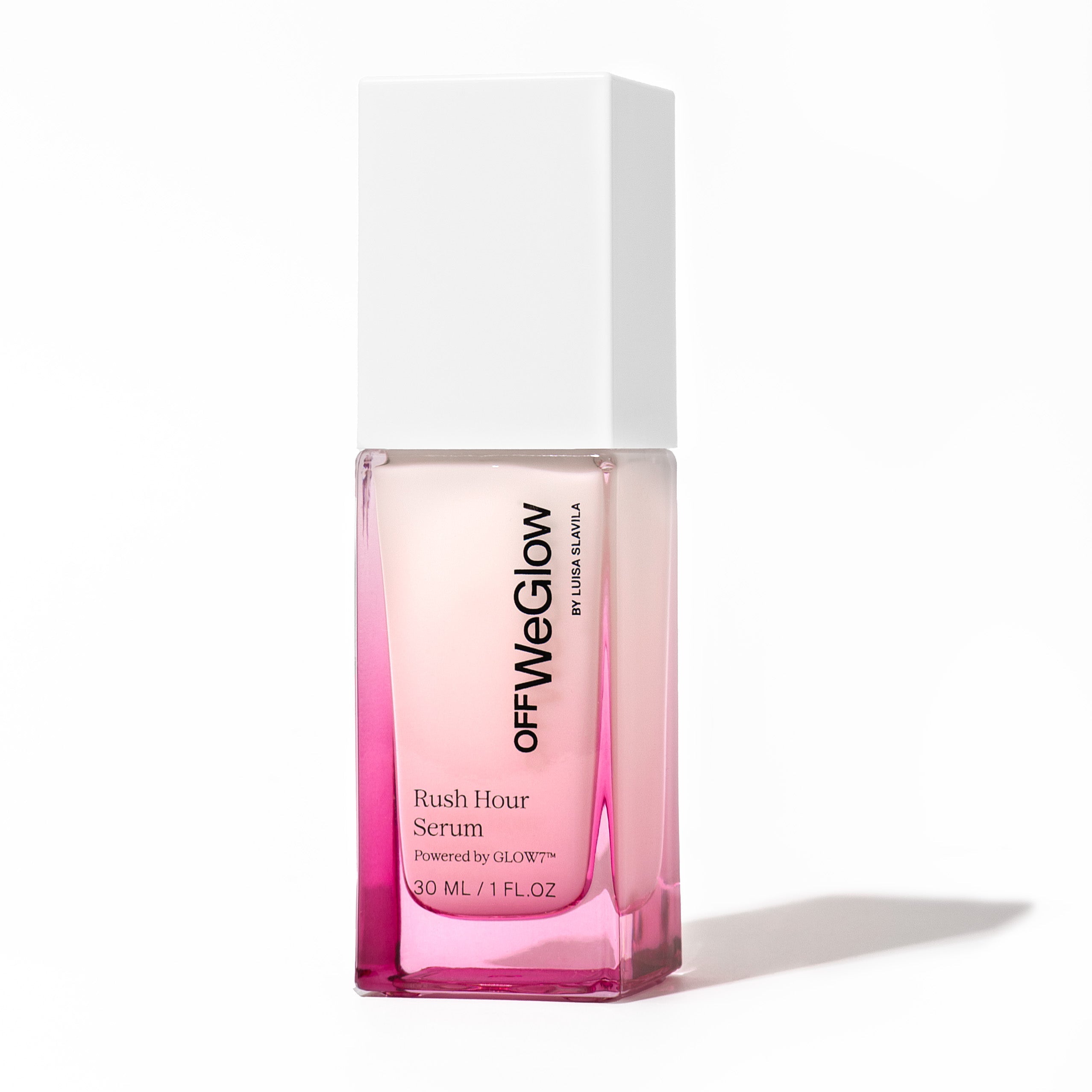
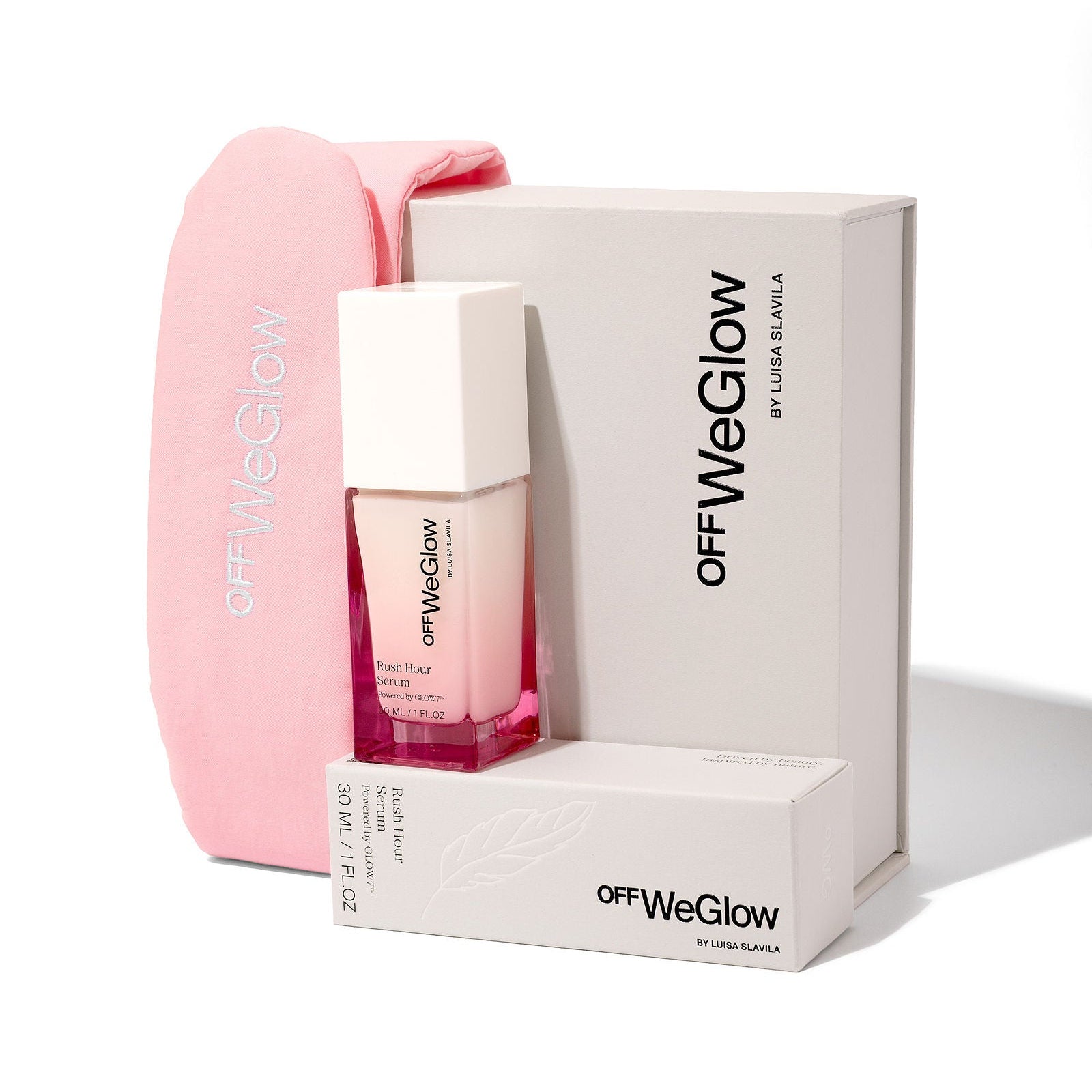
In the morning, use a gentle cleanser followed by a lightweight hydrating step such as Rush Hour Serum, then apply a non-comedogenic moisturizer and broad-spectrum sunscreen with SPF 30 or higher.

PM Routine for Dry, Acne-Prone Skin
Your nighttime routine can stay simple. If you use an acne treatment, follow the directions provided by your dermatologist or healthcare professional and avoid adding several acne treatments at once simply because your skin is breaking out.

What to Look For in the Best Skincare for Dry, Acne-Prone Skin
There is no single product that qualifies as the best skincare for everyone with dry, acne-prone skin. Instead, look for formulas that provide hydration and support skin comfort without feeling overly heavy or making your skin feel more congested. The goal is to support the skin barrier while keeping your tendency toward clogged pores in mind.
Ingredients That Support Dry, Acne-Prone Skin
Some ingredients commonly used to support dry, acne-prone skin include:
Glycerin. A humectant that helps attract and retain water in the skin.
Hyaluronic Acid. A humectant that helps attract and retain water at the skin's surface, supporting hydration and a smoother, more comfortable feel.
Ceramides. Lipids naturally found in the skin that help support the skin barrier and reduce moisture loss.
Niacinamide. A form of Vitamin B3 that helps support the skin barrier and may also help improve skin comfort and overall balance.
Squalane. An emollient that helps soften and smooth the skin while supporting moisture retention.
These ingredients can be particularly helpful when acne treatments are leaving your skin feeling tight, flaky, or uncomfortable. However, the overall formulation matters just as much as any single ingredient, especially if your skin is also sensitive or prone to congestion.
What to Avoid If Your Skin Is Dry and Acne-Prone
If your skin is dry or sensitive, you may want to avoid astringent toners, formulas high in drying alcohols, gritty scrubs, and heavily fragranced products, particularly if they leave your skin feeling irritated or tight.
Very rich creams or heavy oils are not automatically unsuitable for acne-prone skin, but they may feel too occlusive for some people. If a richer formula consistently leaves your skin feeling congested, consider switching to a lighter option. If you are prone to clogged pores, look for moisturizers labeled as non-comedogenic and pay attention to how your skin responds over time.
Dermatologist Tip: If you are prone to clogged pores, use the Glow Checker Tool to review ingredients that may be worth paying closer attention to. An ingredient checker cannot determine the exact cause of an individual breakout, but it can be a useful starting point when reviewing your routine.
Mistakes That Make Dry, Acne-Prone Skin Worse
Even when you are using suitable products, certain habits can leave your skin drier, more irritated, and harder to manage when breakouts are also present:
Cleansing too often can strip moisture and increase irritation, so avoid washing your face repeatedly in an attempt to remove every trace of oil.
Don't skip moisturizer. Dry, acne-prone skin still needs hydration, especially when acne treatments are contributing to tightness, peeling, or discomfort.
Don't stack too many active ingredients. Using several acne treatments at once can increase dryness and irritation and make it difficult to identify which product is causing a reaction.
Avoid scrubbing away flakes. Visible flaking does not mean your skin needs stronger exfoliation, and aggressive scrubbing can further irritate an already stressed skin barrier.
Don't switch products too quickly. Constantly changing your routine makes it harder to tell which products are helping and which may be worsening dryness, sensitivity, or breakouts.
If your routine keeps getting longer, our guide on How Many Skincare Products Do You Actually Need? can help you decide which steps are essential and which may be unnecessary.
When to See a Dermatologist
Consider seeing a dermatologist if your acne is painful, deep, persistent, or beginning to scar, or if your skin remains very dry, cracked, burning, or irritated despite simplifying your routine.
Dryness and breakouts can have several overlapping causes, including skincare irritation, treatment-related dryness, hormonal factors, and underlying skin conditions. Persistent irritation can also make acne treatments more difficult to tolerate. A dermatologist can assess both concerns together and determine whether your skincare routine, acne treatment, or product choices need to be adjusted.
FAQs: Can Dry Skin Cause Acne?
Here are answers to some common questions about dry, acne-prone skin and how to care for it without making dryness or breakouts worse.
-
Does dry skin make acne worse?
Dryness itself is not a direct cause of acne, but excessive dryness and irritation can make acne-prone skin more difficult to manage. The AAD also notes that dry skin can lead to increased oil production, which may contribute to clogged pores [3]. Over-cleansing or using overly drying products may therefore make your routine harder for your skin to tolerate.
-
Should I moisturize if I'm breaking out?
Yes. Acne-prone skin still needs moisturization, particularly if your acne treatment causes dryness, peeling, or irritation. Choose a non-comedogenic moisturizer that provides hydration without feeling excessively heavy. Skin-supportive ingredients such as Ceramides, SyriCalm™, PeachCalm™, Glycerin, or Squalane may also help support comfort and barrier function.
-
Can too much moisturizer cause acne?
Moisturizing does not automatically cause acne. However, a particular formula may not suit your skin and could contribute to a feeling of congestion. If your moisturizer consistently seems too heavy or is followed by more clogged pores, consider switching to a lighter, non-comedogenic option rather than avoiding moisturizer altogether.
It can also help to introduce one new product at a time so you can more easily judge how your skin responds.
-
Why does my dry skin keep breaking out?
Dry skin and acne can occur at the same time because they involve different processes. Acne develops within the hair follicle, while dryness may be related to your natural skin type, weather, over-cleansing, or drying acne treatments.
If irritation also affects your skin barrier, acne products may become harder to tolerate, which can make your routine more difficult to manage consistently. A gentle routine that supports hydration while using appropriate non-comedogenic products can help address both concerns.
Did You Know?
Acne can begin before you can see a pimple. Tiny follicular plugs called microcomedones can form before a visible lesion appears, and some may later develop into a whitehead, blackhead, or inflamed breakout [1]. This is one reason aggressively scrubbing the surface of your skin does not necessarily prevent acne from developing.
Conclusion
Dry skin does not directly cause acne, but dryness, treatment-related irritation, and skin barrier disruption can make acne-prone skin more difficult to manage. The key is to avoid treating dryness and breakouts as completely separate problems.
A simple routine with gentle cleansing, appropriate acne treatment, non-comedogenic moisturization, and daily sunscreen can help support both concerns. Choosing hydrating, barrier-supportive ingredients and avoiding unnecessary irritation can also make acne treatments easier to tolerate consistently.
If your breakouts are painful, persistent, or beginning to scar, or if dryness continues despite simplifying your routine, a dermatologist can help identify what is contributing to both concerns and recommend an individualized approach.
About the Author
Dr Shamsa Kanwal is a dermatologist who partners with Off We Glow to help ensure its formulas are supported by sound, evidence-based skincare principles. She focuses on making skin barrier health, hydration, and realistic skincare routines easier for people to understand.
References
1. Frontiers in Immunology — National Library of Medicine
2. Karger — Skin Pharmacology and Physiology
3. American Academy of Dermatology — Moisturizer and Acne
4. ScienceDirect — Clinical, Cosmetic and Investigational Dermatology