Chin Acne: Causes, Types & Treatment


Written by Dr Shamsa Kanwal - Dermatologist
Updated on August 18th 2026
Have you ever noticed that breakouts on your chin feel more stubborn than acne elsewhere on your face? If you keep dealing with acne on your chin that returns in the same places, it is completely normal to feel frustrated or unsure about what is actually driving it. Unlike a random pimple, acne around the mouth and chin often follows a repeat pattern, showing up around the lower lip, along the jawline, or as acne under the chin, even when the rest of your skin feels relatively calm.
This happens because the chin area is influenced by hormones, everyday friction and contact, and shifts in the skin barrier, all of which can make breakouts harder to settle. Some people also notice deeper, tender bumps, including cystic acne on the chin, that take longer to fade and are more likely to leave marks. When irritation builds up, it can make acne more persistent and harder to manage, especially in sensitive areas like the chin. Learning how to calm your skin properly can help break this cycle — explore our expert tips on how to calm irritated skin.
This guide will walk you through chin acne causes, common types, and chin acne treatment options in a clear, practical way, so you can make informed decisions without feeling overwhelmed.
 Hydration
 Soothing
 Radiance
 Clarity
Key Highlights
-
Chin acne causes often overlap, including hormonal shifts, excess oil, friction, and product buildup.
-
Knowing your type, such as whiteheads, papules, pustules, cystic acne on the chin, or hormonal chin acne, helps you choose the right chin acne treatment.
-
The most effective approach is gentle, consistent, and barrier-supportive care, plus targeted spot treatment, rather than harsh scrubs or over-exfoliating.
-
If acne around the mouth and chin is painful, recurring, or leaving marks, see a dermatologist because early treatment can reduce scarring and prevent repeat flares.
What is Chin Acne and Why Does it Keep Coming Back?
Chin acne refers to breakouts that keep showing up on your chin, jawline, or just below the lower lip, often in the same spots over and over again [1]. The chin has a high concentration of oil glands and, for many people, it is more reactive to hormonal shifts. When hormones fluctuate, your skin may produce more oil, pores clog more easily, and inflammation can build faster in this area.
Daily habits can add to the problem. Touching your chin, resting your face on your hands, mask friction, or leftover makeup and skincare residue can irritate the skin and weaken the barrier. When these internal and external triggers overlap, chin breakouts often become deeper, slower to heal, and more likely to return.
What Causes Chin Acne?
Chin acne tends to develop when several triggers work together, then repeat week after week.
Hormonal Fluctuations
Many people notice flare-ups around periods, ovulation, times of stress, or sleep disruption. Stress can raise hormone signals that increase oil production, which makes the chin more prone to clogged pores and can contribute to hormonal chin acne [2].
Excess Oil Production
Your skin naturally produces oil, but when there is too much, it can mix with dead skin cells and trap bacteria inside the pore. This can lead to blackheads, whiteheads, and inflamed bumps along the chin and jawline [3]. If clogged pores are a recurring concern for you, understanding how they form and how to clear them gently can make a big difference. You can read more in our guide on how to get rid of blackheads.
Frequent Touching and Friction
Hands, masks, and even your phone can transfer oil, sweat, and bacteria to the chin. Constant contact also creates friction that can inflame the area and prolong healing.
Skincare and Makeup Buildup
Heavy products or formulas that contain comedogenic ingredients can contribute to clogged pores, especially when not removed thoroughly at night [3]. This is a common reason chin acne seems to linger even when you are cleansing regularly. If you are unsure about your products, you can check them using our free pore-clogging ingredients checker.
Diet and Lifestyle Factors
High sugar intake, frequent dairy intake, or chronic poor sleep can worsen breakouts, especially when stress is also high. This is why chin acne causes are often overlapping rather than a single trigger.
Types of Chin Acne
Here are some of the most common types of chin acne:
Whiteheads and Blackheads
These are small bumps caused by clogged pores, and they are usually not painful or very inflamed [4]. They often improve with gentle cleansing, consistent routines, and mild exfoliation that does not disrupt your barrier.
Inflamed Papules and Pustules
These show up as red, tender bumps and pustules containing visible pus [5]. They can sting, feel sore, and get worse if you pick, scrub, or over-treat the area.
Painful Cystic Acne on Chin
Cystic acne on the chin appears as deeper, larger bumps that are often painful, slow to heal, and more likely to leave marks [6]. This type often needs extra support, and in some cases, professional treatment is the safest way to control repeated flares.
Hormonal Chin Acne
Hormonal chin acne tends to cluster along the jawline and chin, and it often follows a predictable cycle tied to hormonal shifts, stress, and lifestyle factors. These breakouts are typically deeper than surface pimples, and they often return in the same areas.
How to Treat Chin Acne Safely and Effectively
Effective chin acne treatment is not about scrubbing harder. It is about smart, consistent, and gentle care that calms inflammation, supports your skin barrier, and targets clogged pores without triggering more irritation. Over-treating can make acne around the mouth and chin worse, so the aim is to keep your routine gentle and balanced while still targeting active breakouts.
Gentle Cleansing
Start with a mild, non-stripping cleanser that removes dirt, oil, sweat, and sunscreen without leaving your chin tight or dry. Cleansing twice daily is usually enough, because over-washing can weaken the barrier and increase irritation. Clean skin creates the foundation for everything that comes next, and it helps reduce the buildup that can trigger acne under the chin.
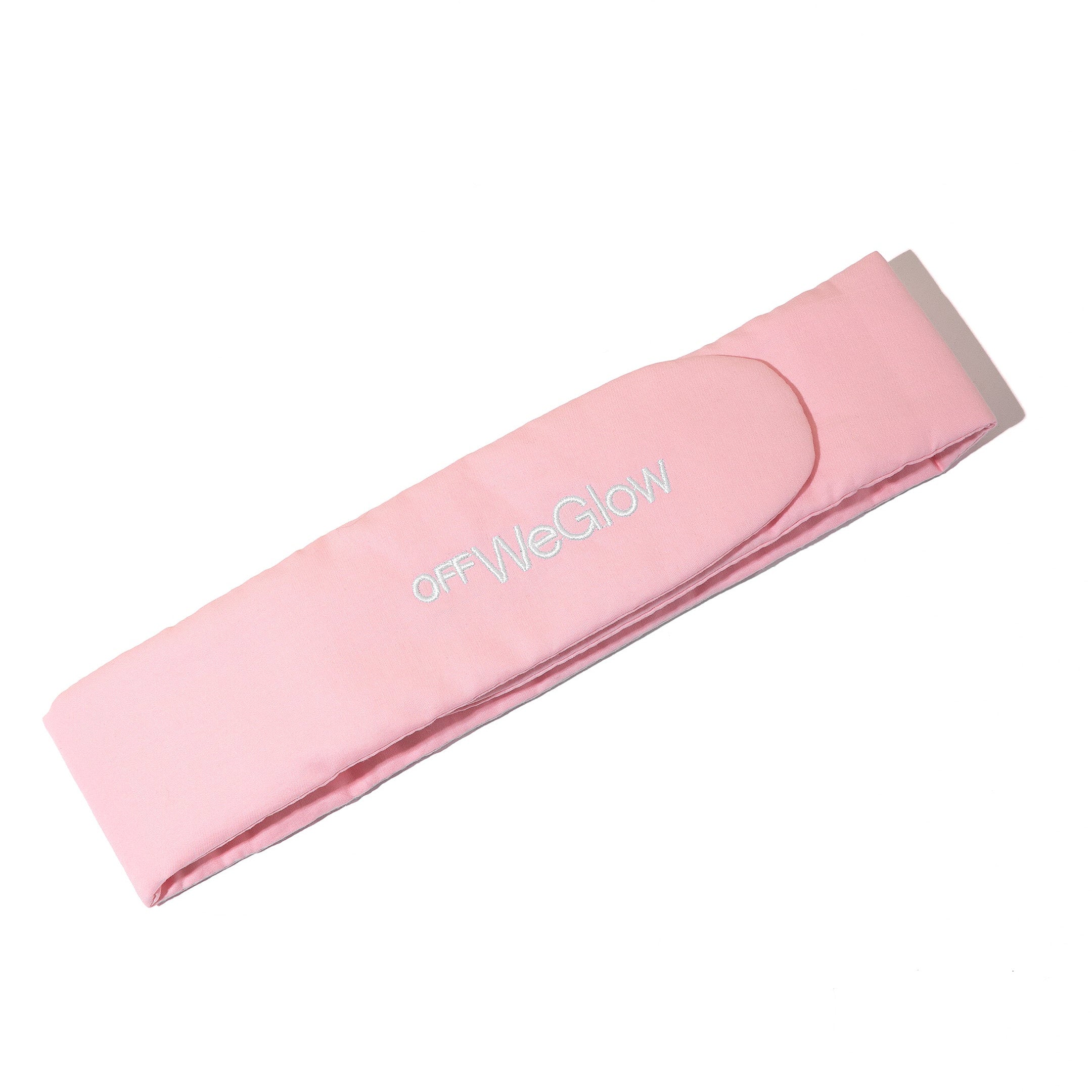
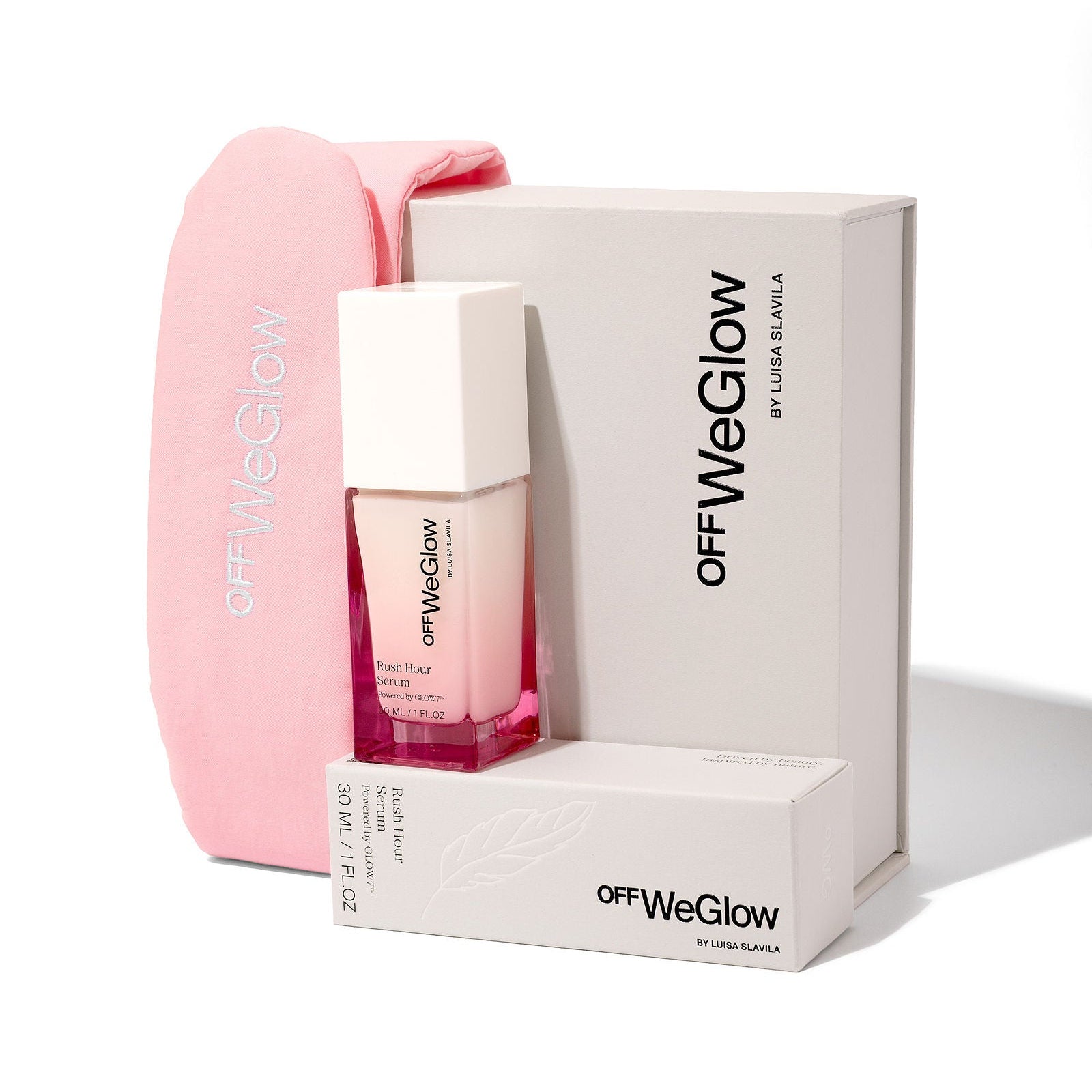
Keeping hair away from your face during cleansing, for example with a soft skincare headband, can help make your routine more effective and prevent product or residue from coming into contact with your hair.
Avoid Harsh Treatments
It is tempting to reach for strong scrubs or high-concentration acids when breakouts appear, but these can inflame the skin and make bumps more stubborn. Instead, focus on gentle exfoliation and avoid using strong products. Use gentle exfoliating ingredients like Jojoba beads, Oatmeal, and fruit enzymes to exfoliate your skin without disrupting your barrier. Do not exfoliate more than 2 to 3 times a week. If you suspect you may have overdone exfoliation, here is how to heal over-exfoliated skin fast and restore your glow.
Calming, Barrier-Supportive Chin Acne Treatment
A strong barrier helps your skin tolerate acne treatments, and it also reduces the risk of recurring flares. Focus on ingredients that calm redness, support healing, and keep pores from clogging:
-
Niacinamide. It can help reduce redness, regulate excess oil, and support the skin barrier [7]. If you want to better understand how this ingredient works, explore our niacinamide and acne guide.
-
Squalane. It provides lightweight hydration and helps seal in moisture without clogging pores.
-
SHAROHYAL SNAIL VEG. It can support skin regeneration and help repair damage left behind by breakouts.
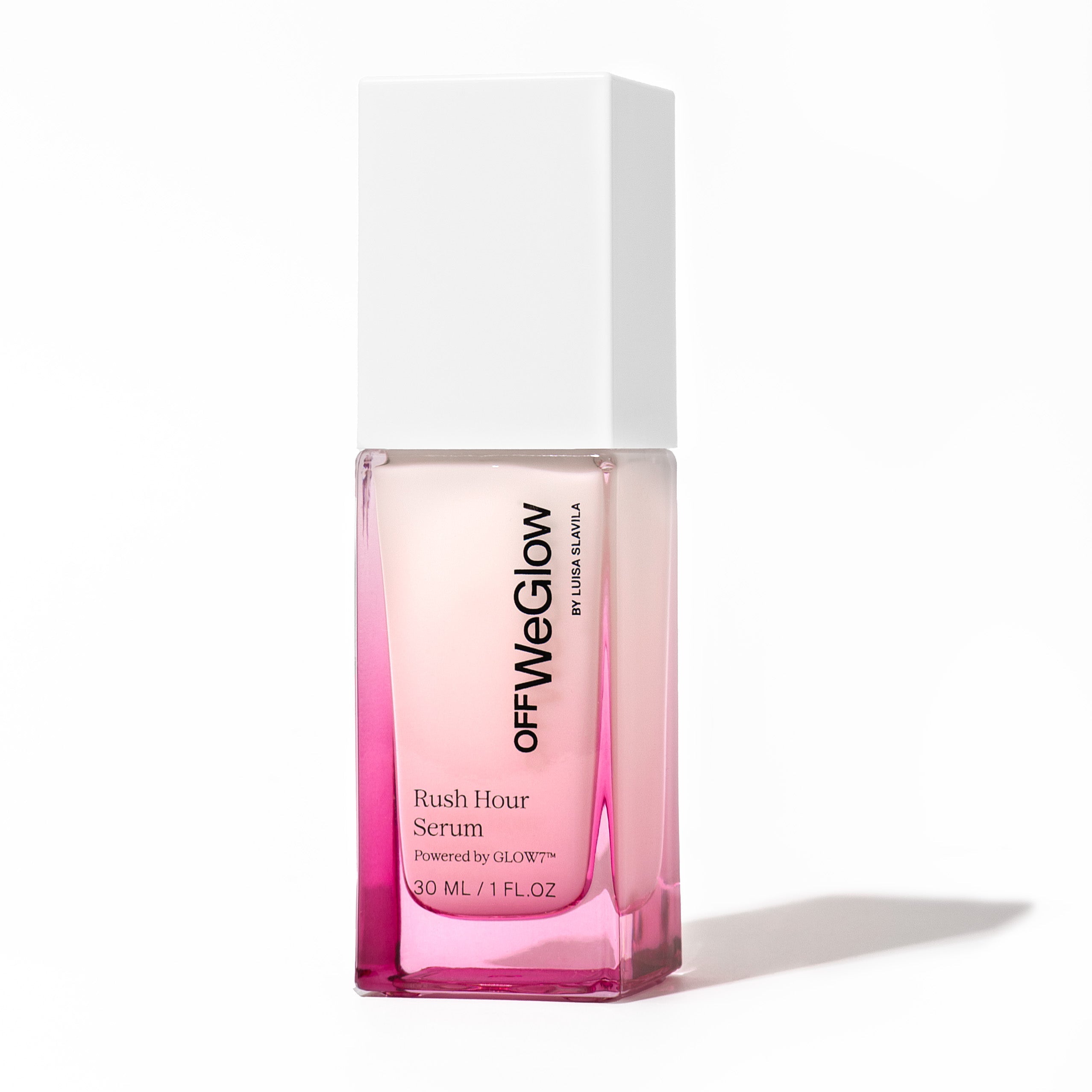
Using a barrier-supporting serum for sensitive, acne-prone skin can help your skin recover faster, stay comfortably hydrated, and reduce the likelihood of new breakouts forming. Rush Hour Serum combines Niacinamide and Squalane with calming ingredients in one lightweight, non-comedogenic step. Patch test before use. Results may vary.
Targeted Spot Care
For active blemishes, spot treatments can help, but moderation matters. Instead of applying harsh formulas across your entire chin, treat individual spots carefully, and avoid layering too many actives at once. Traditional options include salicylic acid for clogged pores, benzoyl peroxide for inflamed pimples, and prescription clindamycin when your clinician feels bacteria and inflammation are playing a bigger role. Use a thin layer once daily to start, moisturize afterward, and give each spot a few days to respond before adding anything else.
Dos And Don’ts Of Chin Acne
To keep your chin clear and prevent breakouts from getting worse, it helps to know exactly what habits to follow and which ones to avoid. Use the checklist below as your quick guide:
| Do | Don’t |
|---|---|
| Cleanse twice daily with a mild, non-stripping cleanser | Wash repeatedly through the day to control oil |
| Exfoliate gently, 2 to 3 times a week at most | Use harsh scrubs or high-concentration acids on active breakouts |
| Support the barrier with Niacinamide and Squalane | Stack several strong actives at once |
| Treat individual spots with a thin layer, once daily | Apply spot treatment across the whole chin |
| Remove makeup and sunscreen thoroughly at night | Sleep in makeup or skip the second cleanse |
| Clean your phone and limit face-touching | Rest your chin on your hands or pick at bumps |
| See a dermatologist for painful or recurring cysts | Wait months hoping deep, scarring bumps settle on their own |
FAQs About Chin Acne
Here are a few of the most frequently asked questions about chin acne:
-
Can my chin acne be related to PCOS?
Yes, PCOS can contribute to hormonal shifts that trigger persistent acne along the chin, jawline, and sometimes acne under the chin. If you also notice irregular periods, increased facial hair, or sudden weight changes, it is worth discussing PCOS with a healthcare professional for proper assessment and treatment.
-
Will chin acne leave scars?
Chin acne can leave scars, especially if you pick at bumps or if you get cystic acne on your chin that lingers for weeks. A gentle routine, early treatment, and avoiding squeezing are the best ways to lower the risk of long-term marks and scarring.
-
What foods can trigger my chin acne?
No single food causes acne for everyone, but some people notice flare-ups after high-sugar foods, dairy, and heavily processed items. If you suspect a link, focus on patterns and consider keeping a simple food and breakout log for a few weeks.
-
How long does chin acne take to heal?
Small pimples can improve in a few days, but deeper bumps, including hormonal chin acne and cystic acne on the chin, may take 2 to 3 weeks, or longer. Consistent care helps, and if breakouts are painful, frequent, or leave marks, a dermatologist can help you prevent repeated cycles.
Did You Know?
The chin is one of the highest-friction zones on the face, and it gets more micro-contact than most areas. Between talking, unconscious touching, mask rubbing, phone contact, and even saliva or food residue near the mouth, the chin faces repeated low-level irritation all day. That ongoing friction can quietly inflame follicles and make pores more likely to clog, which is one reason acne around the mouth and chin can feel more stubborn than breakouts elsewhere.
Takeaway
If you want clearer skin, treat acne on the chin like a pattern, not a random spot. Start with a mild cleanser twice daily, keep your routine simple, and avoid harsh scrubs or stacking too many actives. Support your barrier with ingredients like Niacinamide and Squalane, then use targeted spot care for active blemishes instead of applying strong treatments across the entire chin.
Reduce friction and buildup by limiting face-touching, cleaning your phone, and removing makeup and sunscreen thoroughly at night. If you are dealing with hormonal chin acne, cystic acne on the chin, or acne under the chin that keeps returning, professional guidance can help you control flares faster and prevent scars.
References
1. ScienceDirect — Actas Dermo-Sifiliográficas
2. ResearchGate — Publication by Preetha Bhadra
3. Acne: Causes and Amazing Remedial Measures for Acne — Academia.edu
4. Types of Acne and Associated Therapy: A Review — ResearchGate
5. Common Skin Diseases — ResearchGate