Fungal Acne: Causes, Symptoms and Effective Treatments


Have you ever dealt with tiny, stubborn bumps that do not clear, no matter how carefully you follow an acne routine? You switch cleansers, layer spot treatments, even try antibiotics, and the bumps keep returning or start to spread. It is frustrating and confusing. The truth is that not all breakouts are the same. Those persistent, itchy, acne-like bumps may not be regular acne at all. They can be fungal acne, and treating them like acne vulgaris can keep the cycle going.
If you are wondering how to tell if it is fungal acne and how to get rid of fungal acne safely, here is a clear, step-by-step overview.
Key Highlights
-
Fungal acne is not true acne; it is Malassezia folliculitis and will not improve with antibacterial acne routines.
-
Fungal acne usually has small, same-size, often itchy bumps on the forehead, chest, shoulders, and back that flare with heat and sweat.
-
Its triggers include humidity, tight or occlusive gear, heavy oils, and recent antibiotics.
-
Effective care includes short-contact antifungal cleansers or creams with simple routines, SPF 30+ daily, sweat management, and maintenance once clear.
 Hydration
 Soothing
 Radiance
 Clarity
What is Fungal Acne?
The term “fungal acne” is misleading because it is not acne but Malassezia folliculitis [1]. Our skin naturally hosts a community of tiny organisms, including bacteria and yeast. One member is a yeast called Malassezia [2]. Most of the time, it lives quietly on the skin's surface. When it multiplies quickly and enters the hair follicles, it triggers inflammation and small, itchy bumps that mimic acne. This is not a sign of dirty skin or poor hygiene. It reflects a skin microbiome imbalance where yeast overgrows and irritates the follicles [1]. Understanding what fungal acne is helps you choose treatments that target the yeast rather than standard acne bacteria.
What Causes Fungal Acne?
The yeast involved in fungal acne already lives on everyone’s skin. Problems begin when it grows out of balance. Common triggers include:
Sweat and Humidity
Yeast thrives in warm, moist environments. Hot weather, sweaty workouts, tight clothing, and occlusive gear can worsen fungal acne [1].
Antibiotics
Oral or topical antibiotics lower bacteria but do not affect yeast. With fewer bacteria, yeast can grow unchecked and flare the follicles.
Heavy Skincare Products
Oily creams, thick balms, and heavy sunscreens can trap heat and moisture, creating ideal conditions for yeast.
Weakened Immune System
Diabetes, certain illnesses, or medicines that suppress immunity can increase yeast overgrowth risk.
Hormonal Factors
Oily skin linked to hormones may contribute to fungal acne in some people, although the link is not yet well established.
What Does Fungal Acne Look Like?

Knowing the typical pattern of fungal acne helps you avoid treating it like regular acne. Look for the following common features:
-
Small red or skin-colored bumps that are mostly the same size.
-
It may contain tiny pustules, but not deep nodules or large cysts.
-
Clusters commonly appear on the forehead, chest, shoulders, and upper back.
-
They are mostly itchy or prickly, which is less typical for bacterial acne.
-
It has minimal blackheads or whiteheads compared with acne vulgaris.
Because it resembles regular breakouts, many people treat it like clogged pores and do not see improvement. When bumps are uniform in size, itch after sweating, and resist usual acne products, fungal acne becomes more likely.
Fungal Acne on the Face: Why It’s Common
Fungal acne on the face shows up mostly on the forehead, hairline, temples, and along areas where sweat and oil collect. These zones produce more sebum and frequently trap moisture under hats, helmets, headbands, and hairstyles that limit airflow. Hair products and heavy facial creams can add extra occlusion. That mix allows Malassezia to flourish inside follicles.
Facial fungal acne can be especially frustrating because it often resists benzoyl peroxide and topical or oral antibiotics that are designed for bacterial acne. This is where a targeted fungal acne treatment plan matters.
Fungal Acne vs Acne Vulgaris: How to Tell the Difference
Fungal acne and acne vulgaris may look similar on the surface, but they start from different causes. Acne vulgaris, the classic breakouts most people know, is driven by clogged pores, excess sebum, and acne-related bacteria [3]. Fungal acne, on the other hand, is caused by yeast overgrowth inside the hair follicles that inflames the skin.
Key differences between fungal acne and acne vulgaris are given below:

Fungal Acne vs Closed Comedones: How to Tell the Difference
It is easy to confuse fungal acne with closed comedones, especially when bumps cluster on oily areas. Closed comedones form when pores are filled with oil and dead skin cells [4]. They sit just under the surface, do not usually itch, and can slowly evolve into inflamed papules or pustules. Fungal acne bumps are triggered by yeast in the follicles. They often itch and may flare after heat or sweating.
If your bumps look uniform, feel itchy, or keep spreading despite benzoyl peroxide or antibiotics, consider fungal acne rather than simple whiteheads. Discover the top itchy acne causes and dermatologist-approved remedies to restore comfort and clarity without over-drying your skin.
Fungal Acne vs Hormonal Acne: How to Tell the Difference
Hormonal acne tends to center on the lower face, especially the chin and jawline, and often flares around the menstrual cycle or other hormone shifts [5]. Lesions can be deeper, tender, and slow to resolve. Fungal acne skews toward the forehead, hairline, chest, shoulders, and upper back.
If breakouts return in the same lower-face zones with your cycle, hormones are the likely driver. If uniform, itchy clusters persist despite typical acne care, yeast overgrowth becomes the clearer suspect.
How to Get Rid of Fungal Acne Effectively: A Dermatologist-Approved Plan
If you have been fighting tiny, stubborn bumps that do not clear no matter how many acne products you try, you are not alone. Getting rid of fungal acne requires a different treatment plan than acne vulgaris, and once you switch to the right steps, your skin usually calms down. Here is a clear, dermatologist-guided plan that shows how to get rid of fungal acne safely and effectively.
Start With the Right Diagnosis
The first step is confirming that the bumps are fungal acne rather than classic acne. Because the two can look similar, many people lose months on the wrong regimen. A dermatologist can often diagnose from the pattern and symptoms. When needed, they may do a gentle skin scraping or a small follicular sample to look for yeast. If you are unsure, book a visit rather than guessing at home. An accurate label sets you up for the correct fungal acne treatment options.
Use Antifungal Treatments That Target Malassezia
Fungal acne responds to antifungals, not to antibacterial acne routines. Your dermatologist may recommend the following treatments:
-
Topical antifungal creams, lotions, or gels. They are applied once or twice daily for 2 to 4 weeks.
-
Antifungal shampoos for a short-contact wash on the face and body.
-
Oral antifungal medication for widespread or recurrent cases that do not respond to topicals. These require medical supervision, review of other medicines, and are not used in pregnancy or breastfeeding.
Consistency matters. Skipping doses or stopping early can allow yeast to rebound.
Adjust Your Skincare Routine Without Feeding Yeast
Daily habits make a real difference. Yeast thrives in warm, humid, oily settings. Try the following routine to shift the environment in your favor:
-
Avoid heavy oils and greasy occlusives on affected areas. Coconut oil, olive oil, thick balms, and heavy body butters can worsen flares.
-
Choose lightweight, non-comedogenic, oil-free, or gel-cream textures. Barrier-friendly hydrators such as Niacinamide or Saccharide Isomerate are well tolerated.
-
Keep your routine simple. Using strong actives can irritate the barrier and prolong flares. Our expert guide on how to calm irritated skin explains why this happens and how to gently bring your skin back to a calm, balanced state.
-
Protect skin every morning with broad-spectrum SPF 30+ on exposed areas. Pick fast-drying, non-comedogenic formulas to reduce residue.
Tip: Even products labeled “non-comedogenic” can sometimes hide problematic ingredients. Use our free pore-clogging ingredients checker to analyze your skincare formulas and spot any hidden triggers before they reach your already damaged skin barrier.
Keep Sweat and Moisture in Check
Sweat, heat, and friction are common triggers. Small changes lower the risk of fungal acne and help resolve current bumps:
-
Shower soon after workouts or heavy sweating. Use your antifungal cleanser with a 3 to 5 minute contact time.
-
Wear loose, breathable, moisture-wicking fabrics. Swap out tight, non-breathable layers that trap heat.
-
Do not re-wear sweaty clothing. Wash hats, headbands, helmet liners, and sports bras frequently.
In our dermatologist-approved guide on sweat and acne, we explain how perspiration affects your pores, why timing your post-workout cleanse matters, and how to keep your glow without triggering breakouts.
Be Patient and Consistent
Most people notice less itch and fewer bumps within 2 to 4 weeks on a targeted plan. Stubborn or widespread cases can take longer. Stay consistent with your antifungal steps and keep a once or twice weekly maintenance wash after clearance to prevent recurrence.
Skincare Routine for Fungal Acne
If you are dealing with fungal acne, keep your routine simple and steady. The goal is to lower yeast overgrowth while avoiding products that feed it. Here is a practical plan you can follow to get rid of fungal acne on the face and body without overwhelming your skin.
Morning Routine
Keep mornings light and protective with the steps below:
-
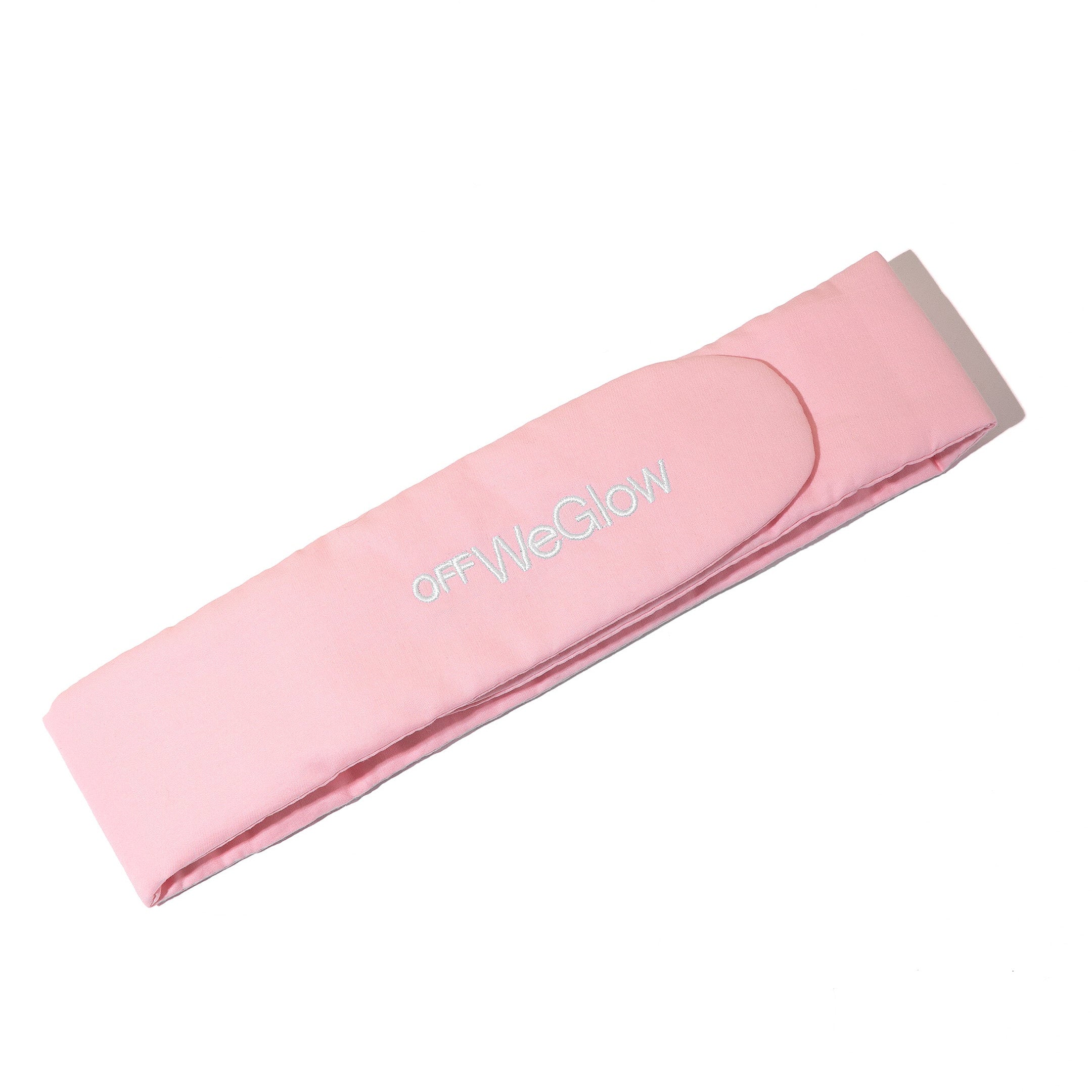
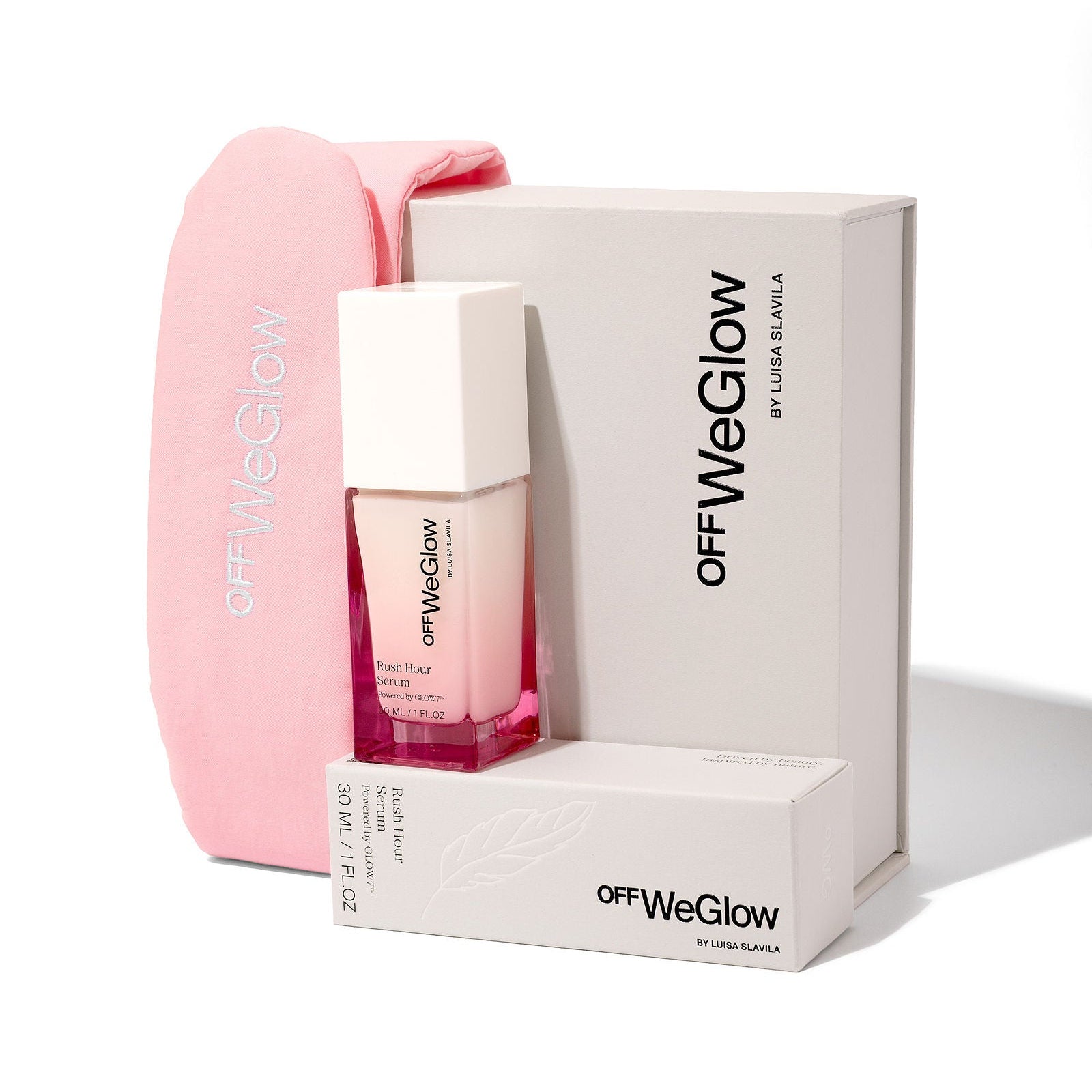
To keep skin clear while applying skincare, use a soft headband that prevents products from transferring onto your hair.
-
Cleanse with a mild, non-drying face wash to remove sweat and excess oil. If you wake up sweaty, rinse the chest, shoulders, and back as well.
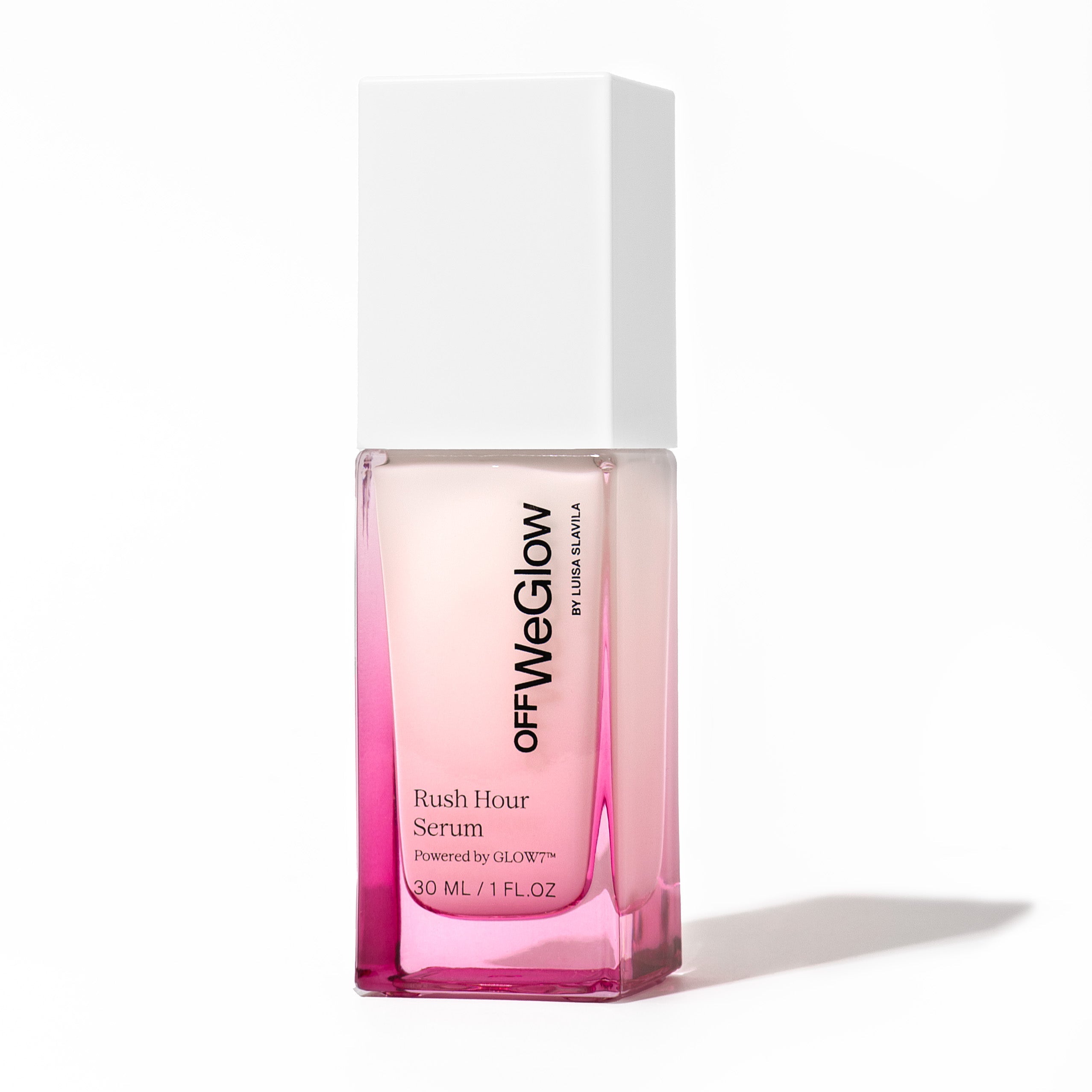
- Apply a lightweight, non-comedogenic, barrier-supporting hydrator like Rush Hour Serum for sensitive skin. Its calming ingredients like SYRICALM™ and PEACHCALM™ can hydrate without adding heaviness.
- Use a broad-spectrum, oil-free sunscreen SPF 30+ every day.
- If the hairline or forehead is involved, avoid heavy pomades or waxes. Keep hats, helmet liners, and headbands clean and dry.
Night Routine
Keep nights simple and soothing with the steps below:
-
Wash away dirt, sweat, and sunscreen. If you wore makeup or water-resistant SPF, do a gentle double cleanse.
-
Two or three nights per week, add an antifungal step. Use a ketoconazole or selenium sulfide shampoo as a short-contact wash on affected areas. Lather on wet skin for 3 to 5 minutes, then rinse.
-
Moisturize with a simple, non-comedogenic gel-cream. Soothers like SYRICALM™ and PEACHCALM™ are suitable. Avoid heavy plant oils such as coconut or olive oil on involved areas. You can explore our dermatologist-approved list of non-comedogenic facial oils to learn which ones nourish the skin while remaining safe for acne-prone complexions.
-
Keep actives minimal during an itchy flare.
FAQs about Fungal Acne
Here are a few of the most common questions about fungal acne:
-
Is fungal acne contagious?
No, fungal acne is not contagious. The yeast involved, Malassezia, normally lives on everyone’s skin. Fungal acne appears when this yeast grows out of balance inside hair follicles, so there is no risk of catching it from someone else.
-
How long does fungal acne take to clear?
With the right antifungal plan, many people notice less itching and fewer bumps within 2 to 4 weeks. Stubborn or widespread cases can take longer. Maintenance steps help prevent it from bouncing back.
-
Does fungal acne leave scars?
Deep scarring is uncommon. Temporary dark spots, called post-inflammatory hyperpigmentation, can appear, especially in medium to deeper skin tones. Treating early and protecting with SPF 30+ daily reduces marks.
-
Can fungal acne appear on the scalp?
Yes. Dandruff and seborrheic dermatitis are related to the same yeast. If you have itchy bumps along the scalp or hairline, antifungal shampoos can help both the scalp and the forehead.
Did You Know?
Fungal acne almost never shows up on the palms or soles because it needs hair follicles to form. Malassezia also cannot make its own fatty acids, so it relies on sebum for fuel, which is why it clusters on oil-rich, hair-bearing skin and usually spares areas like the lips and palms.
Takeaway
Fungal acne can linger when treated like bacterial acne. A focused plan that includes short-contact antifungal washes, light non-comedogenic hydration, and SPF 30+ daily makes the biggest difference. Stay consistent for a few weeks, keep sweat and friction in check, and see a dermatologist if bumps remain uniform, itchy, and persistent despite careful home care.
References
https://www.mdpi.com/2309-608X/11/9/662
https://journals.plos.org/plospathogens/article?id=10.1371/journal.ppat.1003892
https://drbaileyskincare.com/blogs/blog/how-to-unclog-your-clogged-pores2/abstract