How To Brighten Skin: Dermatologist-Approved Steps For A Radiant, Even Glow


Written by Dr Shamsa Kanwal - Dermatologist
Updated on January 19th 2026
Have you ever looked in the mirror and felt your skin looked tired, uneven, or dull despite a consistent routine? This is a common concern—and the good news is that dullness is not a fixed skin type. It’s often a sign that your skin needs better hydration, barrier support, and consistency.
In this guide, you’ll learn how to brighten skin safely using dermatologist-approved steps that focus on long-term skin health, not harsh quick fixes.
Key Highlights
-
Skin brightening is about improving radiance, hydration, and texture, not changing your natural skin tone.
-
Dull skin is often linked to slowed cell turnover, sun exposure, dehydration, and lifestyle stress.
-
Gentle exfoliation 1 to 2 times per week helps lift surface buildup without irritating the barrier.
-
Barrier-friendly ingredients like Niacinamide, BVOSC, and Saccharide Isomerate support a more even, brighter look over time.
 Hydration
 Soothing
 Radiance
 Clarity
What Does Skin Brightening Actually Mean
Skin brightening does not mean changing your natural skin color or trying to make your complexion lighter. True brightening is about improving clarity, smoothness, and even tone so the skin reflects light more evenly. When skin is well hydrated, properly exfoliated, and protected from environmental stress, it naturally looks fresher and brighter.
Skin brightening focuses on reducing dullness, softening uneven or dark areas, and supporting a healthy skin barrier. When these factors are addressed, your natural glow becomes more noticeable.
Common Reasons Skin Looks Dull or Uneven
Dullness happens when the surface of the skin cannot reflect light properly, often due to a buildup of stressors over time.
Slowed Cell Turnover
Your skin naturally sheds dead cells on a regular cycle [1]. With age, stress, pollution, and environmental exposure, this renewal process slows down. When dead skin cells linger on the surface, the skin looks rough and uneven instead of smooth and radiant. For deeper insights on improving softness and smoothness, see our expert guide on how to get smooth skin.
Sun Exposure
Daily sun exposure, even without obvious sunburn, contributes significantly to dull skin. UV rays stimulate excess pigment production, leading to dark patches, uneven tone, and a tired appearance [2]. Over time, this makes skin brightening more difficult without proper sun protection.
Dehydration and Environmental Pollution
Dehydrated skin often appears flat, tight, or flaky, all of which interfere with light reflection [3]. Pollution adds another layer of stress by creating oxidative damage that contributes to dark spots and an overall gray or shadowed look.
Lifestyle and Routine Factors
Poor sleep, ongoing stress, and an inconsistent skincare routine can undo even the best products. Skin repairs itself at night, and when this process is disrupted, dullness becomes more noticeable regardless of how many brightening products are used [4].
If you’re not sure whether sensitivity contributes to your dullness, this article on how to know if you have sensitive skin explains common signs and triggers.
How to Brighten Skin Naturally
To brighten skin naturally, focus on simple habits that reduce dullness and support your skin barrier. Results depend on consistency, not harsh, quick fixes.
Hydrate Your Skin
Hydration is the foundation of brighter skin. When skin is well hydrated, it reflects light better, so it looks smoother and more refreshed. Use a hydrating serum or essence, then seal it with a simple moisturizer to reduce flaking and rough texture.
Exfoliate Gently, Not Aggressively
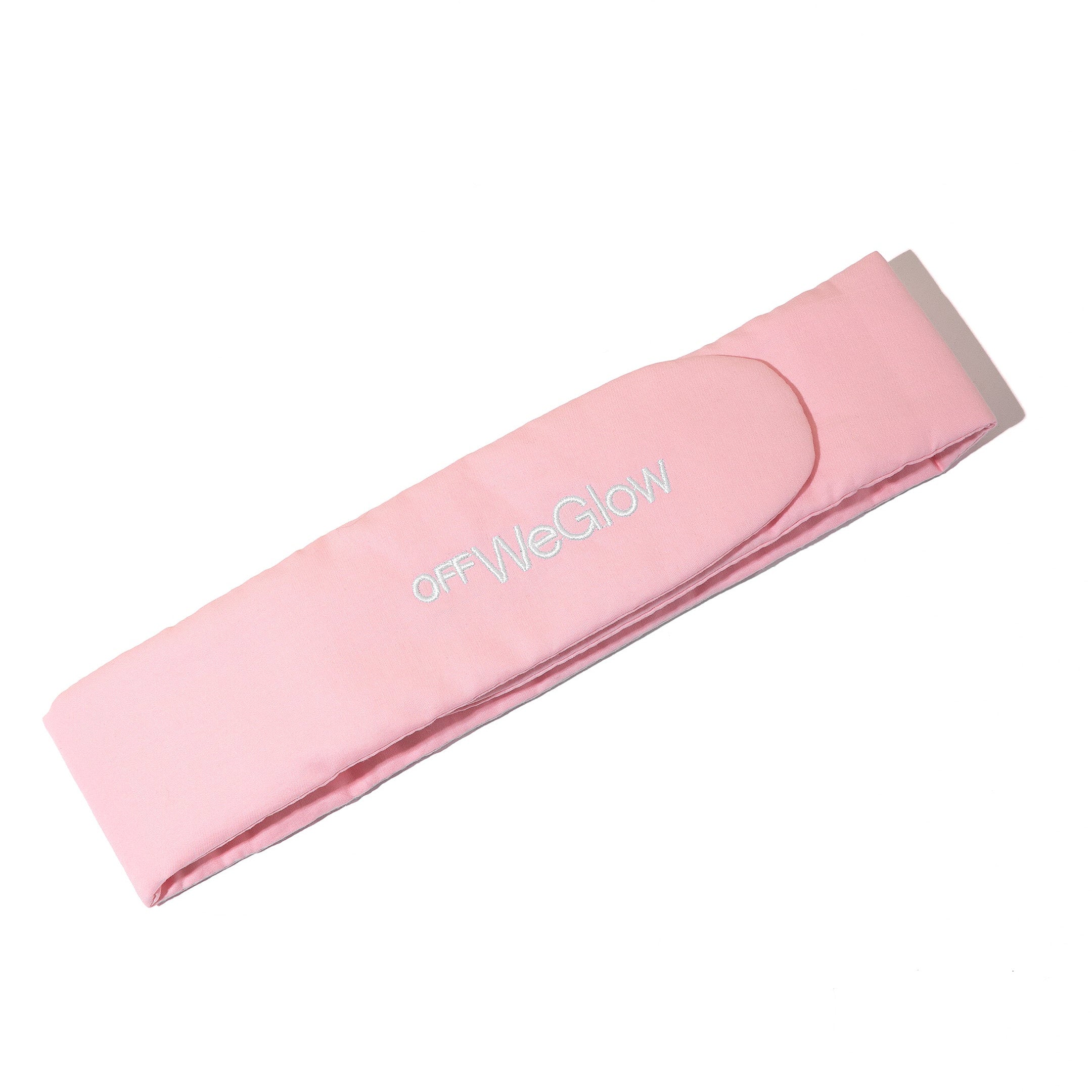
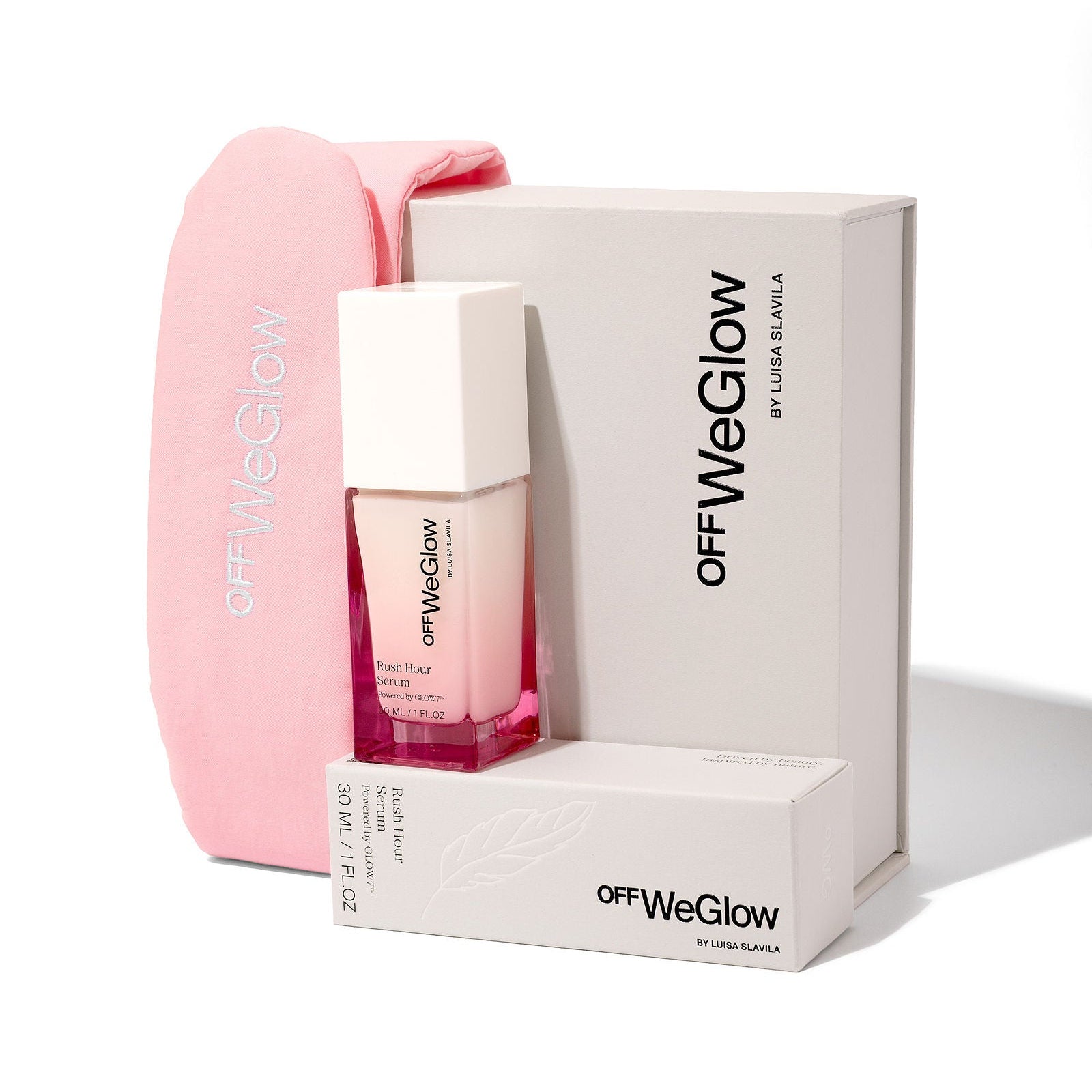
Gentle exfoliation helps lift dead skin cells so the surface looks clearer and more even. Keep it mild and avoid doing it daily, because over-exfoliation can weaken the barrier and make dullness worse. For a mess-free experience while exfoliating, consider keeping hair off your face using a soft accessory like a vegan silk headband to avoid product transfer.
Choose skin-friendly exfoliants such as jojoba beads, oatmeal, or fruit enzymes like papaya, pineapple, and pumpkin to boost glow without irritating the skin. For most people, exfoliating 1 to 2 times per week is enough, and you should skip it if your skin is red, stinging, peeling, or overly dry. For a brighter complexion without irritation, incorporate gentle exfoliation tailored to your skin type — learn how to exfoliate for a healthy glow in our complete guide.
Protect and Repair the Skin Barrier
Barrier care is key to brightening dull skin. Use a gentle cleanser, avoid fragranced irritants if you are reactive, and keep your routine consistent. Wear broad-spectrum SPF 30+ daily, because without sunscreen, brightening products struggle to keep up with new pigment and ongoing damage.
If you have acne-prone or sensitive skin, checking products for comedogenic ingredients can help prevent congestion that contributes to dullness—tools like our free pore-clogging ingredients checker make it easier to spot potential triggers before they reach your skin.
Prioritize Sleep and Stress Control
Poor sleep shows up quickly as dullness and uneven tone. Skin does a lot of repair work overnight, so consistent sleep supports a healthier glow. Stress can also trigger inflammation that worsens uneven tone, so daily movement and simple stress-relieving habits can help.
Healthy Diet
Diet can support skin brightening over time. Focus on protein, colorful fruits and vegetables, and healthy fats to support repair and skin moisture. This is not an instant fix, but it can improve how your skin looks and feels over weeks.
Ingredients That Support Skin Brightening
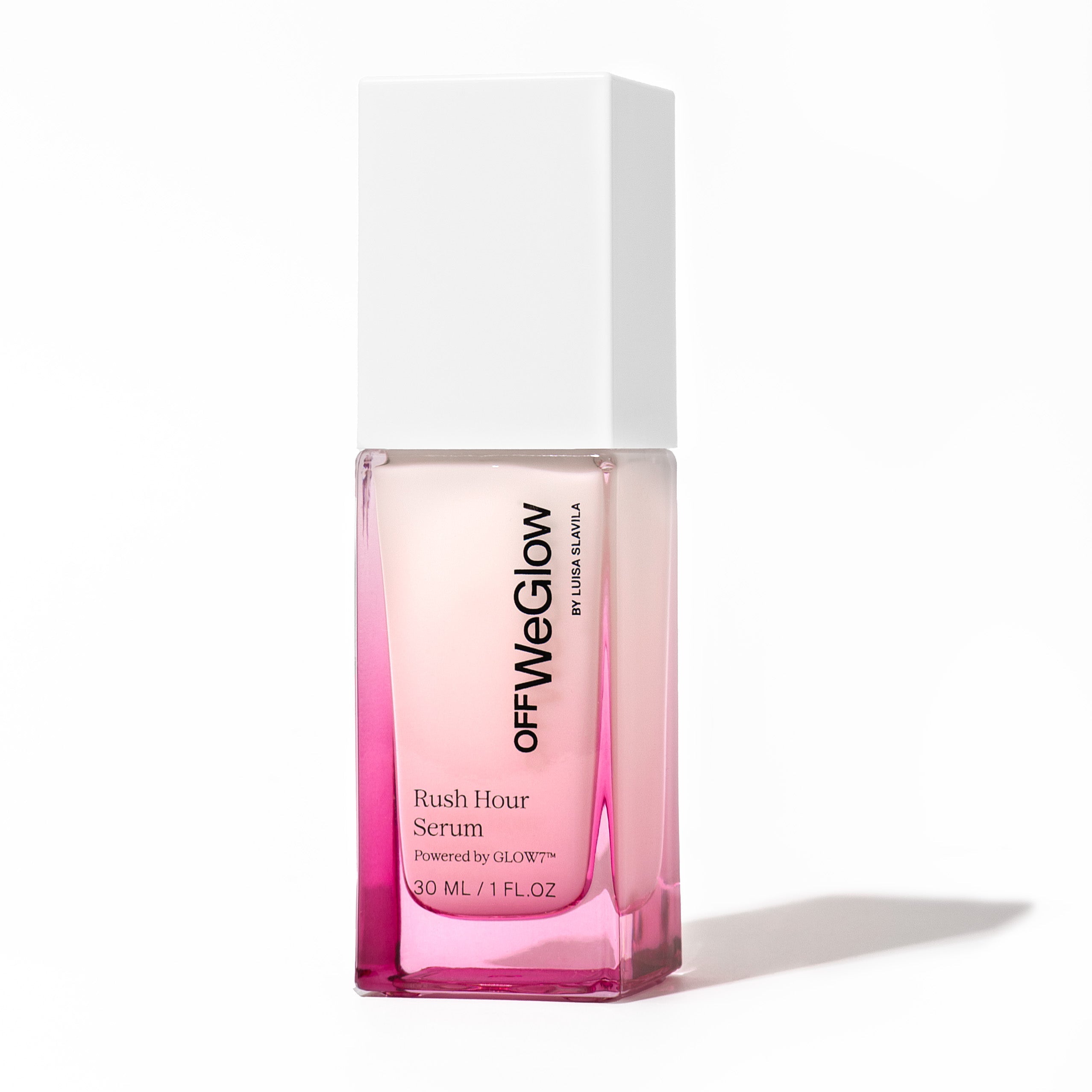
Dermatologists recommend brightening ingredients that support the skin barrier and reduce inflammation, rather than strong actives that can trigger irritation—especially in sensitive or acne-prone skin. A good skin brightening routine uses ingredients that work with the barrier and help the surface reflect light more evenly. For simplicity, consider using one well-formulated serum—such as the Rush Hour Serum for sensitive skin—that combines these proven ingredients, rather than layering multiple products. This strategy can help improve radiance without overloading or irritating the skin.
Niacinamide
Niacinamide is one of the most reliable ingredients for improving overall brightness and uneven tone. It can help calm irritation, support the skin barrier, and reduce dullness linked to dehydration and sensitivity [5]. Because layering active ingredients incorrectly can worsen sensitivity, it’s helpful to know what not to mix with niacinamide and which combinations to avoid.
BVOSC (Gentle Vitamin C Alternative)
BVOSC can be a good option for people who want the glow support of Vitamin C but find traditional Vitamin C irritating. It helps improve the look of radiance and uneven tone while staying gentle, which can be helpful for sensitive or reactive skin.
Saccharide Isomerate
Saccharide Isomerate helps bind moisture to the skin for longer-lasting hydration, which can smooth rough texture and reduce the dull look caused by dryness [6]. Well-hydrated skin tends to look healthier and brighter.
SHAROHYAL SNAIL VEG
This ingredient supports skin repair and barrier recovery, which can improve overall clarity over time. Barrier repair products are especially helpful when dullness is linked to irritation, over-exfoliation, or dryness.
Adapt Brightening Approach To Your Skin Type
The best way to brighten skin depends on what your skin needs most. Dry skin typically benefits from deep hydration and gentler brightening ingredients, while oily skin often does better with lightweight, barrier-supporting formulas.
Here’s a quick overview of brightening approaches and ingredients based on different skin types.

FAQs About How To Brighten Skin
Here are a few of the most common questions about how to brighten skin:
-
Can brightening products help with post-inflammatory dark spots?
Yes. Post-inflammatory dark spots often fade slowly, but ingredients like BVOSC and Niacinamide can help the skin look more even over time by supporting tone and calming inflammation. You’ll get the best results when you pair these with daily broad-spectrum SPF 30+, as UV exposure can keep dark marks looking darker for longer. Expect gradual change over weeks rather than overnight improvement.
-
Will brightening ingredients make my skin sensitive?
No. Many brightening routines become irritating because people use strong exfoliants or layer too many active products at once. Barrier-supportive options like BVOSC, Niacinamide, and SHAROHYAL SNAIL VEG are usually well tolerated, especially when introduced slowly. Patch test first, start a few nights per week, and layer soothing ingredients to keep the barrier calm.
-
How soon will I see noticeable results from a brightening routine?
Most people notice a fresher glow and smoother texture within 2 to 4 weeks if hydration and barrier support improve. More noticeable changes in uneven tone and dark marks usually take 6 to 12 weeks.
-
How do I know if my brightening routine is working?
Look for small but real signs: skin feels softer, makeup sits better, and the tone looks more even in natural light. You may also notice less roughness around the cheeks and jawline if dullness was driven by dehydration or dead skin buildup. Taking a photo every 2 to 3 weeks in the same lighting can help you see progress that is easy to miss day to day.
Did You Know?
Your skin’s natural brightness can change with the seasons. Colder months often slow down skin renewal and increase water loss, which is why skin may look duller in winter even when your routine stays the same. Adjusting hydration and barrier care seasonally can help maintain a more even, radiant look year-round.
Takeaway
Brightening skin depends on steady habits rather than aggressive products. Hydration, barrier support, and sun protection play a bigger role in radiance than strong actives. Gentle exfoliation and the right brightening ingredients can improve dullness without irritation when used consistently. As skin responds gradually, patience is key to seeing lasting results. If uneven tone or dark marks persist despite a consistent routine, a dermatologist can help identify the cause and guide treatment safely.
References
https://www.mdpi.com/1420-3049/28/12/4839
https://onlinelibrary.wiley.com/doi/abs/10.1111/j.1473-2165.2007.00300.x
https://urfjournals.org/open-access/factors-influencing-skin-health-from-within.pdf
https://link.springer.com/article/10.1007/s13346-024-01593-y