How to Get Glass Skin at Home: A Dermatologist-Approved Routine That Actually Works


Written by Dr Shamsa Kanwal - Dermatologist
Updated on January 5th 2026
Have you ever looked at someone’s complexion and thought, how do they get that smooth, clear, light-reflecting glow? If you want the glass skin look but feel overwhelmed by trends and product overload, you are not alone. The good news is that learning how to get glass skin is less about chasing a poreless filter and more about building a consistent, skin-barrier-friendly glass skin routine that improves hydration and texture over time.
Below, I explain what glass skin is, why it happens biologically, and how to get glass skin naturally with a routine you can actually stick to.
Key Highlights
-
A strong skin barrier and deep hydration are the foundation of the glass skin look and glass skin routine results.
-
Double cleansing at night helps remove sunscreen, makeup, and buildup so skincare absorbs better.
-
Layering hydrating products and sealing them with moisturizer improves smoothness and comfort over time.
-
Gentle exfoliation 1 to 2 times per week supports an even texture without compromising the barrier.
 Hydration
 Soothing
 Radiance
 Clarity
What is Glass Skin?
Glass skin is a term that originated in Korean dermatology-inspired skincare. It describes skin that looks exceptionally smooth, even-textured, deeply hydrated, and naturally radiant [1]. When the surface is well hydrated and the tone is more even, light reflects more uniformly, creating that signature glass skin look [2].
Glass skin usually means your routine is supporting the skin barrier, reducing roughness, and preventing irritation, so the skin can hold water and look calm. Clinically, glass skin often reflects:
-
A stronger skin barrier that helps your skin retain moisture and stay protected.
-
Higher hydration levels, making the skin look plumper and helping soften the appearance of dryness and flaking.
-
Pores that look less noticeable, not because pores physically shrink, but because the surrounding skin surface is smoother and less congested. Because texture plays such a key role in the glass skin look, learning how to improve skin texture is an essential part of achieving smooth, light-reflective skin.
-
A more even-looking tone, with reduced visible redness and fewer prominent dark spots or post-blemish marks.
The Science Behind the Glass Skin Look
Glass skin may look like a trend, but the biology behind it is real. Glass skin has three core drivers: water content, barrier health, and gentle resurfacing. When these are in balance, the glass skin routine works because skin becomes smoother, calmer, and more reflective.
Hydration
Hydration is the most important factor in achieving glass skin. When skin has enough water, it looks bouncier and feels smoother, and light reflects more evenly. Hydration also helps fine lines look softer and can reduce the tight, dull look that happens when the skin is dehydrated. In practice, glass skin skincare routine success often comes from layering humectants and then sealing them in with a moisturizer, instead of relying on one product.
Skin Barrier
Your skin barrier is the outermost layer of the skin, and it acts like a protective shield. It helps keep moisture inside and blocks irritants, pollution, and bacteria from entering [3]. When the barrier is disrupted, the skin loses water more easily and becomes reactive. That is when you see redness, rough texture, flaking, stinging, and breakouts. A barrier-first approach is the most reliable way to have glass skin long term, especially if you have sensitive or acne-prone skin.
If your skin frequently feels tight, irritated, or reactive, prioritizing skin barrier repair is often the most important step before trying to achieve the glass skin look.
Gentle Exfoliation
The top layer of your skin naturally sheds dead cells, but this process can slow down due to dryness, irritation, harsh products, aging, or inconsistent routines [4]. When dead cells build up, skin can look uneven, feel rough, and reflect light poorly. Gentle exfoliation supports a smoother surface by lifting dead cells, improving dullness, and helping skincare absorb more evenly [5]. The key is gentle and controlled exfoliation, because over-exfoliation can inflame the skin and weaken the barrier.
If you want a structured way to exfoliate without compromising the skin barrier, following a skin cycling routine can help balance active days with recovery days for healthier, glowing skin.
How to Get Glass Skin at Home: A Step-by-Step Glass Skin Skincare Routine
If your goal is to achieve smooth, clear, light-reflecting skin, this glass skin routine will walk you through the steps that matter most. Each step supports hydration, protects the skin barrier, and helps create that healthy glass skin look over time.
Start with Double Cleansing at Night
If you want the glass skin look, your routine has to start with clean skin. When sunscreen, makeup, and daily grime sit on the skin overnight, they can lead to dullness and congestion, and they also block your hydrating steps from absorbing well. That is why double cleansing is recommended in a glass skin routine.
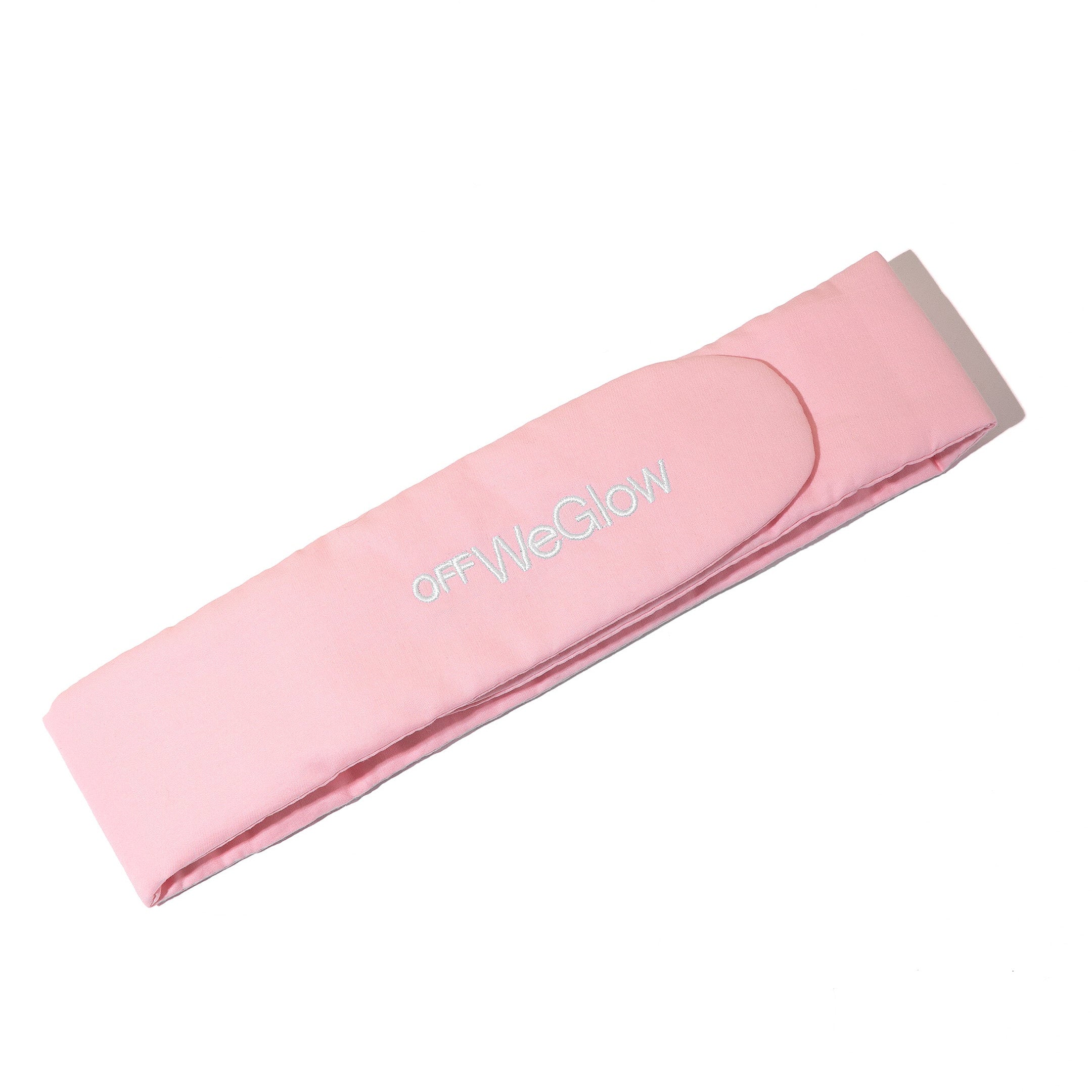
Tip: Using a soft accessory like a vegan silk headband during cleansing can help keep hair away from the face while minimizing friction and irritation, especially if your skin is sensitive.
Step 1: Oil-Based Cleanser
Use an oil-based cleanser first to dissolve sunscreen, makeup, and excess oil. This helps reduce leftover buildup that can contribute to clogged pores, uneven texture, and a less smooth finish [6]. It is especially useful if you wear water-resistant sunscreen or makeup.
Step 2: Gentle Water-Based Cleanser
Follow with a gentle water-based cleanser to remove any remaining residue and sweat. Your skin should feel clean and comfortable afterward, not tight or squeaky. If your skin feels tight, switch to a milder cleanser because tightness can be a sign your barrier is getting stressed.
Apply a Hydrating Toner or Essence
Once your skin is clean, refill it with hydration. A hydrating toner or essence gives your skin the first layer of moisture and helps it absorb what you apply next, which is key when building a glass skin routine at home [7]. Look for Glycerin and Saccharide Isomerate, two ingredients that boost comfort and long-lasting hydration without feeling heavy.
Add Glow-Supporting Serums
Serums are where you personalize your routine. They target dullness, uneven tone, texture, and visible pores, all of which affect the skin in real life. Choose a serum with the following ingredients:
BVOSC
If your skin looks dull or uneven, BVOSC can help boost radiance and improve the look of uneven tone while supporting a firmer, healthier-looking complexion.
Niacinamide
Niacinamide is one of the most reliable ingredients for building a smoother, calmer complexion. If you deal with redness, visible pores, or uneven texture, Niacinamide supports the skin barrier and helps your skin look more balanced over time [8].
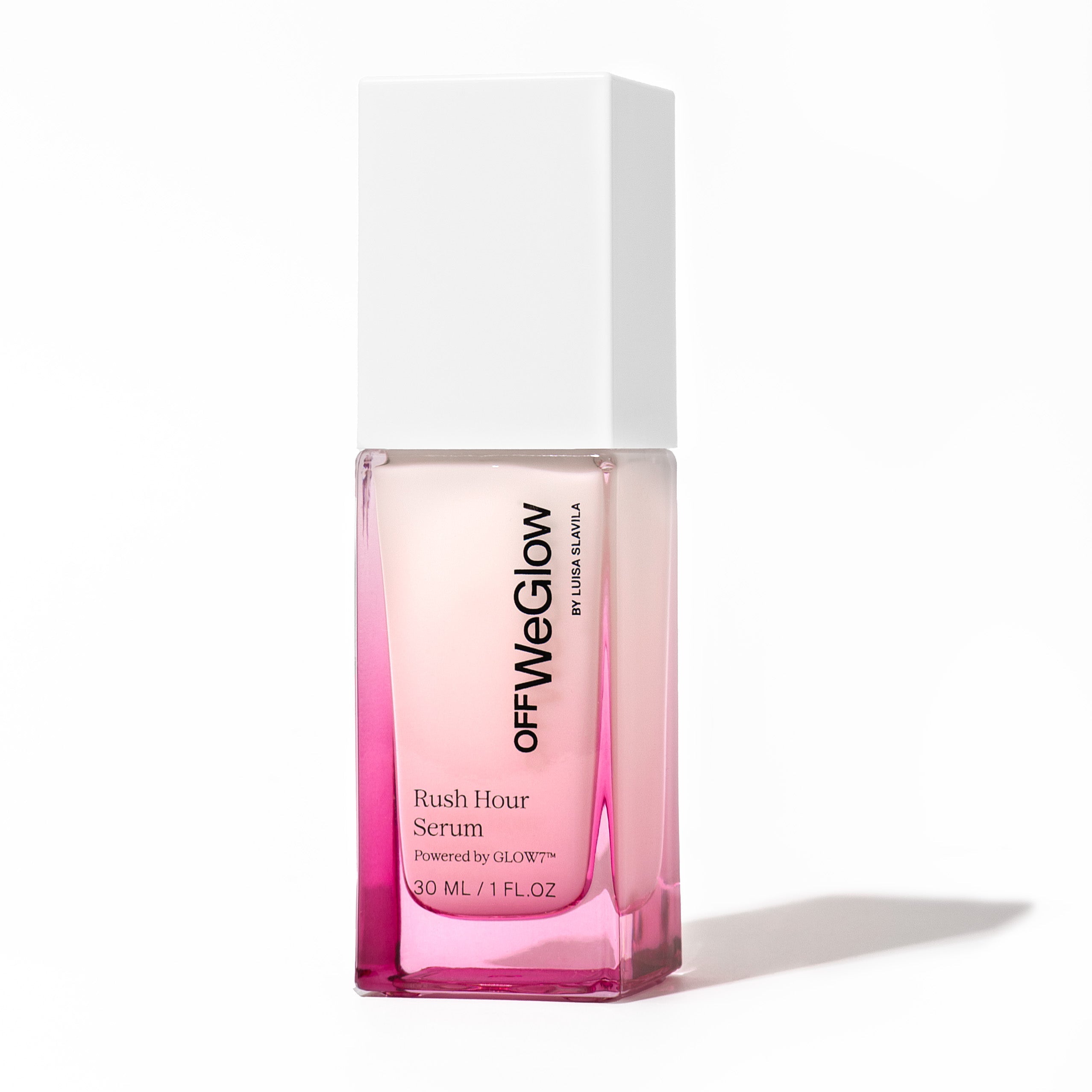
For skin that needs hydration, calming, and barrier support in one step, a multifunctional serum like Rush Hour Serum for sensitive skin can help improve smoothness, comfort, and overall radiance without overwhelming the skin.
Exfoliate Gently With Skin-Friendly Ingredients
Exfoliation improves smoothness and helps products absorb better, which supports the glass skin look. The key is to exfoliate without irritating the skin barrier, because irritation instantly takes away that glassy finish.
Because exfoliation needs vary depending on skin type, following a skin-type-specific exfoliation guide can help improve glow and texture while minimizing irritation.
Choose mild, skin-friendly exfoliants such as jojoba beads, oatmeal, or fruit enzymes (papaya, pineapple, pumpkin). Avoid harsh scrubs or frequent peeling if your skin is sensitive, acne-prone, or easily inflamed. Exfoliate 1 to 2 times per week. Skip exfoliation if your skin is red, stinging, peeling, or overly dry.
If you have acne-prone or easily congested skin, checking formulas for comedogenic ingredients using our free pore-clogging ingredients checker can help you choose products that support clarity while working toward the glass skin look.
Moisturize to Lock In Hydration
Moisturizer is what seals in the hydration you just added. Choose your moisturizer based on your skin type:
-
If your skin is oily, use a lightweight gel moisturizer.
-
If your skin is dry, use a richer cream for deeper nourishment.
Look for ingredients such as SYRICALM™ and PEACHCALM™ to help seal in hydration so your skin stays comfortable and glowy throughout the day.
Dermatologist Tip: Apply moisturizer while your skin is still slightly damp from serums. Moisturizers tend to work better on damp skin.
Protect Your Skin With Sunscreen
No matter how good your night routine is, you will struggle to maintain the glass skin look if your skin is exposed to ongoing UV damage. UV rays can trigger dark spots, uneven tone, fine lines, and dryness, all of which work against smooth, radiant skin. Use broad-spectrum SPF 30+ every morning. If you are outdoors, reapply every 2 to 3 hours for consistent protection.
Lifestyle Habits
A glass skin routine delivers the best results when your everyday habits support it. The image below highlights simple lifestyle habits that help maintain the glass skin look.

FAQs About How To Get Glass Skin Naturally At Home
Here are a few of the most common questions about how to have glass skin:
-
How long will it take for me to see glass skin results?
Most people notice improvements in hydration and smoothness within 2 to 4 weeks if they follow a consistent glass skin skincare routine. A clearer, more refined glass skin look usually takes 4 to 6 months, because texture and tone improve gradually with steady barrier support and daily sun protection.
-
Do I need expensive Korean skincare to get glass skin?
No. You can achieve the glass skin look with affordable products as long as they focus on hydration, gentle exfoliation, and barrier support. Technique and consistency matter more than price, and simple routines are often easier to maintain long term.
-
Is glass skin look achievable for darker skin tones?
Yes. Glass skin is about radiance, hydration, and a more even-looking tone, not about lighter skin. In deeper skin tones, a healthy glow can look striking when the barrier is strong, hydration is layered well, and sunscreen is used consistently to prevent uneven pigmentation.
-
Is the glass skin look permanent once I achieve it?
Glass skin look is maintainable, but it is not permanent in the sense of a one-time result. The glow reflects ongoing habits like hydration, sunscreen, gentle cleansing, and barrier-friendly products. The good part is that once you learn what works for your skin, maintaining the glass skin routine becomes much simpler.
Did You Know?
Sleeping less than 6 hours per night can reduce skin hydration by up to 25%. That is one reason many people notice their skin looks duller and less smooth after a few short nights, even if they keep the same skincare routine.
Takeaway
Glass skin comes from repeatable basics, not complicated routines. Cleanse thoroughly at night, hydrate in layers, and protect your skin barrier so your skin can hold water and stay calm. Use glow-supporting serums consistently, exfoliate gently instead of aggressively, and wear broad-spectrum SPF 30+ daily to prevent the tone and texture changes that work against the glass skin look. Expect gradual progress, since smoother texture and a more even-looking tone take time. If you feel stuck, keep reacting to products, or have persistent acne or dark spots, a dermatologist can help tailor a glass skin skincare routine that fits your skin type and your goals.
References
https://www.tandfonline.com/doi/abs/10.1080/19392397.2021.1912258
https://www.iastatedigitalpress.com/itaa/article/id/1490/download/pdf/
karger.com/spp/article-abstract/36/4/174/863006
https://www.jstor.org/stable/24931778
http://www.globalsciencebooks.info/Online/GSBOnline/images/2011/FPSB_5(SI1)/FPSB_5(SI1)94-97o.pdf
https://books.google.com.pk/books?hl=en&lr=&id=IqSIEAAAQBAJ&oi=fnd&pg=PT6&dq=+A+hydrating+toner
https://www.intechopen.com/online-first/1214240