Melasma vs Hyperpigmentation: Key Differences Explained


Written by Dr Shamsa Kanwal - Dermatologist
Updated on February 2nd 2026
Why do some dark patches refuse to fade, even when you use the right serums and stay consistent? In many cases, the issue is not the product, it is the diagnosis. If you have been layering actives, switching routines, and following every brightening trend, yet the pigment keeps returning or spreading, you may be treating the wrong type of discoloration. A lot of people group every mark into one bucket, but the difference between hyperpigmentation vs melasma matters because the triggers and the relapse risk are not the same. That is also why confusion around melasma vs sun spots or melasma vs freckles is so common.
While these conditions can look similar in the mirror, they often behave differently under the surface and respond to different strategies. Below is a clear breakdown of melasma vs hyperpigmentation to help with recognizing what’s going on and making smarter, calmer choices for skin.
Key Highlights
-
Melasma and hyperpigmentation can look alike, but they do not behave the same, so the right treatment depends on the correct diagnosis.
-
Melasma often appears as symmetrical, blended patches and is commonly linked to hormones plus sun exposure, which makes it more likely to return.
-
Hyperpigmentation is often triggered by acne, irritation, injury, or sun damage, and it usually fades more predictably with consistent, gentle care.
-
Melasma vs sun spots and melasma vs freckles are common mix-ups, so pattern, timing, and triggers help guide the right plan.
 Hydration
 Soothing
 Radiance
 Clarity
What is Hyperpigmentation?
Hyperpigmentation is a broad term for any area of skin that becomes darker than the surrounding skin. It happens when your skin produces excess melanin, the pigment responsible for skin color [1].
Hyperpigmentation can show up after acne, irritation, inflammation, or injury, and it can also appear as sun-related spots over time. Common triggers include sun exposure, acne, skin inflammation, skin injuries, burns, certain medications, and some cosmetic procedures [2]. It can affect any skin type, age, or gender, and it often appears as spots, patches, or marks that vary in size and shape.
Because acne and inflammation are common triggers, checking products for pore-clogging ingredients can help prevent new dark marks. Tools like our pore-clogging ingredients checker make it easier to identify ingredients that may contribute to breakouts and post-inflammatory hyperpigmentation.
What is Melasma?
Melasma is a specific type of hyperpigmentation, but it behaves differently. It is strongly linked to hormonal changes and is most common in women [3]. Melasma typically appears as symmetrical brown or gray-brown patches that look flat and blended rather than like individual, well-defined spots [4].
It most commonly shows up on the cheeks, forehead, upper lip, and nose. Melasma is often triggered or worsened by pregnancy, birth control pills, hormonal imbalances, and sun exposure [5]. Unlike many other pigment concerns, melasma tends to be chronic and recurring, which means it can return after it improves if triggers are not controlled.
Melasma vs Hyperpigmentation: How to Tell Them Apart
Here’s a simple breakdown of the differences between melasma and hyperpigmentation, so key clues are easy to spot at a glance.
| Feature | Hyperpigmentation | Melasma |
|---|---|---|
| Appearance | Scattered spots or patches where inflammation or sun damage occurred | Larger, blended patches that are often symmetrical on the face |
| Cause | Extra melanin after acne, irritation, injury, or cumulative sun exposure | Multi-factor, often hormone linked and strongly influenced by sun exposure |
| Triggers | Acne and inflammation, picking or friction, and UV exposure | Hormonal shifts plus UV exposure, often worsened by heat |
| Response to Treatment | Often fades steadily with consistent care and SPF 30+ daily | Can improve but often returns without ongoing sun protection and maintenance |
Hyperpigmentation Treatment Options: What Helps Most
If your dark spots are linked to sun exposure, post-acne marks, or minor skin injuries, the goal is to fade pigment while keeping the skin calm. These steps are usually effective when you stay consistent and avoid irritation.
Gentle Cleansing
Use a mild, non-stripping cleanser to remove dirt, oil, and pollution without disrupting the barrier. When the barrier stays steady, you are less likely to trigger new discoloration.
Brightening Ingredients
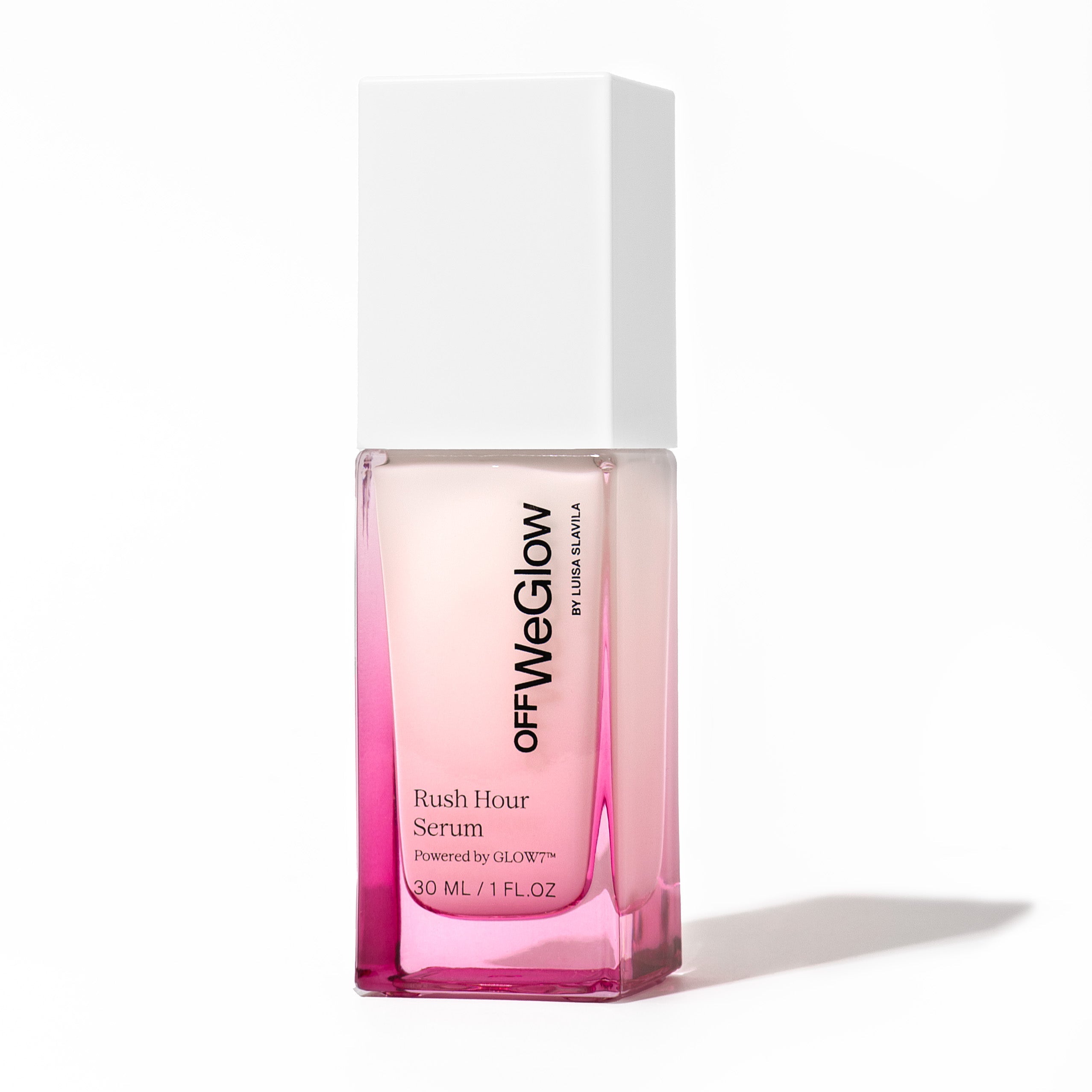
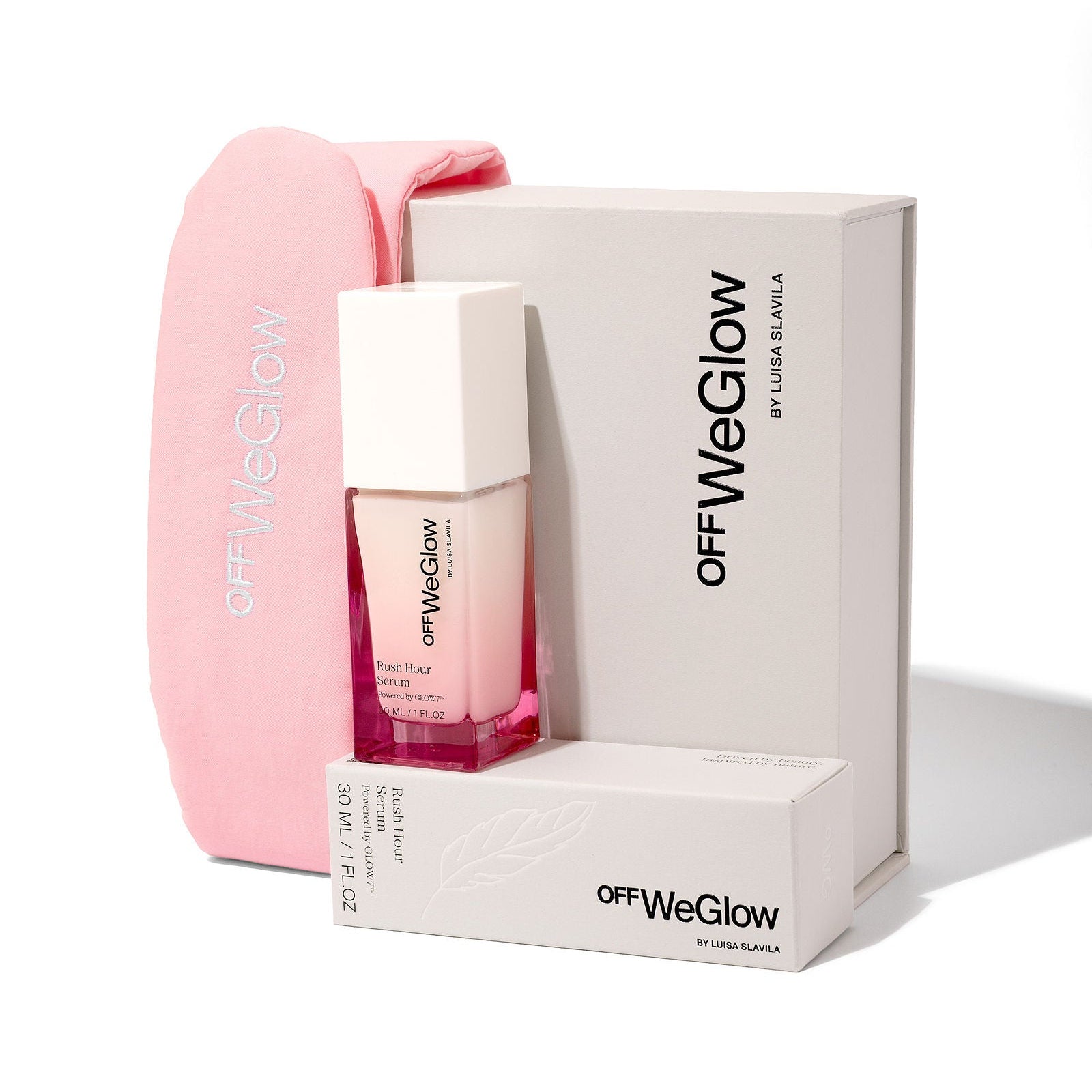
Serums formulated with Niacinamide and BVOSC, like Rush Hour Serum for sensitive skin, can help improve the look of dark spots and uneven tone over time.
Barrier-Repair Moisturizers
Moisturizers with PEACHCALM™, SYRICALM™, and SHAROHYAL SNAIL VEG can help calm irritated skin, strengthen the barrier, and support recovery. This matters because inflammation can keep hyperpigmentation lingering longer than it should.
Sun Protection
Daily broad-spectrum sunscreen is non-negotiable because UV exposure keeps pigment active and can deepen existing marks. Use SPF 30+ every day, including cloudy days, and reapply if you are outdoors or near windows for long periods. Understanding the difference between sunscreen vs sunblock can also help you choose the right protection for pigment-prone skin, especially if you are sensitive to certain filters or formulations.
Spot Treatments
For stubborn areas, use a targeted brightening product with Niacinamide on the affected spots only. Keep the rest of your face on a gentle, barrier-support routine so you do not trigger irritation that can prolong discoloration.
Avoid Harsh Exfoliation
Overusing scrubs or strong acids can worsen discoloration by triggering irritation. If your skin feels tight, stings easily, or looks darker after exfoliation, you may be dealing with over-exfoliated skin.Occasional, gentle exfoliation with Jojoba beads, Oatmeal, or fruit enzymes is generally preferred when the skin is not sensitized.
Professional Treatments
If pigment is persistent, a dermatologist may suggest options like chemical peels, laser therapy, or microneedling. These can help, but the plan should match your pigment type.
Melasma Treatment Options: What Helps Most
Melasma often behaves differently from general hyperpigmentation. It tends to form larger, symmetrical patches, and it can come back easily, which is why melasma vs sun spots and melasma vs freckles are often confused at first. The safest approach focuses on long-term control, not quick fixes.
Strict Sun Protection
Apply broad-spectrum sunscreen daily. UV exposure is a major trigger for melasma, so SPF 30+ helps reduce flare-ups and supports more stable results. If you are outdoors, reapply and pair sunscreen with hats and shade.
Hormonal Triggers
Melasma often worsens with hormonal shifts, including pregnancy, birth control, and hormonal imbalance. If your timing and pattern suggest a hormonal link, discuss it with a healthcare professional so your skincare plan matches the real trigger.
Gentle, Consistent Skincare
Choose mild cleansers and barrier-supportive moisturizers with PEACHCALM™ and SYRICALM™ to keep the skin calm during treatment. Melasma is more likely to worsen when the skin is inflamed or over-exfoliated, so gentle consistency is the priority.
Targeted Brightening Treatments
Niacinamide can help improve uneven tone over time, and it is usually well tolerated in melasma-prone skin.
Professional Treatments
For stubborn melasma, dermatologists may recommend prescription options like hydroquinone, as well as carefully selected chemical peels, laser therapy, or microneedling. These should be supervised because irritation and excess heat can worsen melasma and lead to rebound darkening if the wrong settings, strength, or timing are used.
Lifestyle Habits That Help Prevent Pigment Flare-Ups
These practical habits can help keep discoloration from getting darker or spreading, even if you already have a solid skincare routine:
-
Protect the eye area with UV-blocking sunglasses and apply SPF 30+ carefully around the eyes, including the upper cheek and brow bone. Eye creams do not block UV unless they are formulated as sunscreen, so sun protection is the key step.
-
Limit heat exposure from saunas, steam rooms, hot yoga, and very hot showers. Heat can be a quiet trigger for melasma, especially if you flush easily, and it can also worsen inflammation that fuels other types of hyperpigmentation.
-
Be selective with fragranced products, hair dyes, and harsh cosmetics, especially near the hairline and cheeks. Irritation and contact reactions can lead to new dark marks.
-
Prioritize consistent sleep because skin repair and hormone regulation are both linked to how often pigment flares.
-
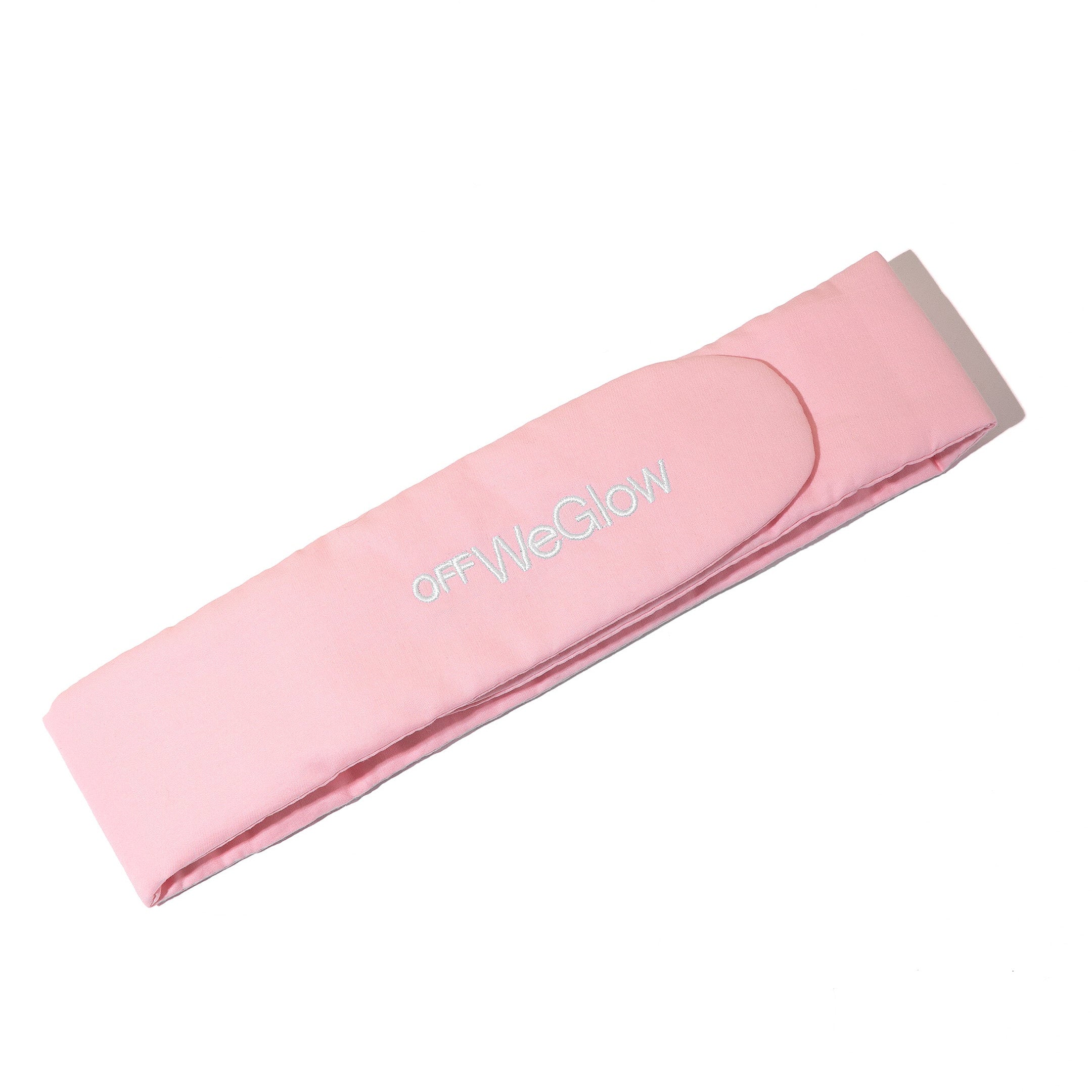
Reduce friction by avoiding tight hats, helmet straps, frequent rubbing, and aggressive facial massage. Using a soft headband during cleansing or masking can also help minimize rubbing along the hairline and cheeks. Friction can trigger post-inflammatory hyperpigmentation and can aggravate melasma-prone areas.
-
Keep a simple trigger note for sun exposure, heat, new products, and breakouts. Patterns are often easier to spot on paper than in your head.
When to See a Dermatologist
If discoloration keeps darkening, spreads to new areas, or returns soon after improving, it is time to get it checked. A dermatologist can help confirm whether you are dealing with melasma vs hyperpigmentation, or another cause, such as medication-related changes or inflammation-driven marks. This matters because melasma often needs a gentler long-term strategy, while other dark spots may respond faster to targeted treatments.
FAQs About Melasma vs Hyperpigmentation
Here are a few of the most commonly asked questions about melasma vs hyperpigmentation:
-
Melasma vs. sun spots: what’s the difference?
Sun spots develop from cumulative sun exposure and often appear as small, well-defined brown spots. Melasma tends to form broader, more blended patches that are often symmetrical and strongly influenced by hormones, which can make it more persistent.
-
Melasma vs. freckles: is it the same thing?
No. Freckles are usually genetic, show up earlier in life, and can fade when sun exposure decreases. Melasma often develops later, commonly in adulthood, and it typically needs ongoing trigger control to stay quiet.
-
Can stress make melasma or hyperpigmentation worse?
Yes, stress can influence hormones and inflammation, which may worsen melasma and make post-acne marks linger longer in pigment-prone skin.
-
Does skin type affect melasma and hyperpigmentation?
Yes, deeper skin tones are more prone to both, and they can pigment more easily after irritation. That is why gentle routines, careful active use, and SPF 30+ daily are essential for darker skin tones.
Did You Know?
Melasma can sometimes look lighter in the morning and appear darker by late afternoon. This can happen because even routine daylight exposure throughout the day can make pigment look more noticeable as it catches and reflects light differently.
Takeaway
If you want dark patches to improve, start by identifying whether you are dealing with melasma or general hyperpigmentation, since the wrong approach can cause setbacks. For most people, the best results come from gentle brightening, strong barrier support, and daily broad-spectrum SPF 30+ to stop pigment from being reactivated.
Melasma usually needs long-term trigger control and cautious treatment choices, while post-acne marks and sun-related spots often respond faster when irritation is avoided. If discoloration spreads, deepens, or keeps returning, a dermatologist can confirm the diagnosis and tailor treatment safely.
References
https://www.sciencedirect.com/science/article/abs/pii/S1357303917301019
https://www.mdpi.com/1420-3049/28/12/4839
https://pdfs.semanticscholar.org/7329/6de6b2a21990305218cdebb24d442f007e32.pdf
https://onlinelibrary.wiley.com/doi/full/10.1002/der2.144
https://ijprdjournal.com/myapp/uploads/419-RAHUL%20GAWADE%203341-3354.pdf