Why Does My Skin React to Everything? Barrier Damage Signs


Written by Dr Shamsa Kanwal - Dermatologist
Updated on August 13th 2026
Has your skin suddenly started reacting to almost everything? A cleanser you have used for months now leaves your skin feeling tight. Your favorite moisturizer stings when you apply it. Even products labeled as “gentle” no longer feel as comfortable as they once did. If you are wondering what changed, you are not alone, and it does not necessarily mean your skin has become naturally sensitive.
Before replacing your entire skincare routine or searching for stronger solutions, it will help to understand what may be happening beneath the surface. In many cases, sudden reactivity does not mean your underlying skin type has permanently changed. It may reflect an overwhelmed skin barrier, cumulative irritation, or another skin condition that requires a different approach.
In this article, you will learn what the skin barrier does, the signs of a damaged skin barrier, what may overwhelm it, and how a gentle, barrier-first approach can support healthier-looking, more comfortable skin.
 Hydration
 Soothing
 Radiance
 Clarity
Key Highlights
-
Sudden stinging, tightness, dryness, roughness, or visible irritation may point to an overwhelmed skin barrier rather than permanently sensitive skin.
-
Over-exfoliation, product overload, harsh cleansing, Retinoids, weather changes, and environmental stress can make skin more reactive.
-
Skin barrier repair often starts with simplifying your routine, pausing unnecessary actives, and using gentle, hydrating, fragrance-free products.
-
Persistent itching, swelling, blistering, pain, or worsening irritation should be assessed by a dermatologist to rule out another skin condition.
What Is the Skin Barrier and Why Is It Important?
The skin barrier is the outermost protective layer of your skin and serves as its first line of defense [1]. It helps keep essential moisture inside while limiting the effects of environmental stressors such as pollution, dry air, wind, and changing weather conditions [2].
When your skin barrier is functioning well, your skin is more likely to feel smooth, hydrated, and comfortable. However, repeated exposure to harsh products, frequent exfoliation, or environmental stress can overwhelm this protective layer. When that happens, the skin may feel less resilient, and products that were previously comfortable may begin to sting or cause tightness.
This helps explain why a cleanser or serum you have used for months may suddenly feel uncomfortable. The product may not have changed, but your skin’s ability to tolerate it may have temporarily decreased.
Sensitive Skin or Temporarily Sensitized Skin?
Sensitive skin is often an ongoing tendency to react to products, weather, heat, or other triggers. Temporarily sensitized skin may develop more suddenly after over-exfoliation, product overload, a cosmetic procedure, or a change in treatment. The distinction is not always clear, so persistent or recurring symptoms should be assessed by a dermatologist. If you are unsure which applies to you, our guide on how to know if you have sensitive skin breaks down the key signs.
Why Does My Skin React to Every Product?
If your skincare routine worked well a few months ago, it can be frustrating when familiar products suddenly start causing discomfort. In many cases, the reaction is not caused by one product alone. Instead, several habits may gradually place stress on the skin barrier.
Common contributors include:
-
Using exfoliating products too frequently
-
Layering several active ingredients in one routine
-
Using Retinoids or exfoliating acids
-
Frequently switching between new skincare products
-
Cleansing more often than necessary
-
Using hot water or harsh cleansing tools
-
Exposure to dry weather, indoor heating, air conditioning, wind, or pollution
Each factor may seem minor on its own, but together, they can contribute to skin barrier damage from over-exfoliation or product overload. Skin barrier repair usually begins by simplifying your routine, reducing unnecessary triggers, and giving your skin time to regain comfort.
Signs of a Damaged Skin Barrier
The signs of a damaged skin barrier can vary from person to person. You do not need to experience every symptom for your skin to feel more reactive or uncomfortable than usual. Common signs may include:
Your Skincare Products Suddenly Sting
Applying a familiar product and suddenly feeling burning, stinging, or tingling can be frustrating. Although some active ingredients may cause mild temporary sensations, increased discomfort from products that previously felt comfortable may suggest that your skin needs a simpler, gentler routine.
Your Skin Feels Dry, Tight, or Uncomfortable
Persistent tightness, roughness, or dehydration, particularly after cleansing, may indicate that your routine is too harsh or is not providing enough barrier support. If these symptoms continue even after applying moisturizer, your skin may be losing moisture more easily than usual [3]. You can read more about the underlying causes in our guide on why your skin feels dry even when you moisturize.
You Notice More Visible Redness
Skin that looks flushed, dry, itchy or irritated can be a sign that your skin is feeling stressed [4]. A barrier-first routine focuses on supporting your skin’s natural balance rather than constantly trying to correct every concern.
Could Another Skin Condition be Causing the Reaction?
An overwhelmed skin barrier is one possible reason your skin may suddenly feel more reactive, but it is not the only explanation. Redness, stinging, itching, scaling, or persistent discomfort may also be associated with irritant contact dermatitis, allergic contact dermatitis, Rosacea, Atopic Dermatitis, Seborrheic Dermatitis, or Periorificial Dermatitis. Recent cosmetic procedures or changes in prescription skincare may also contribute.
Because these conditions can cause similar symptoms, avoid relying on self-diagnosis alone. If your reactions are persistent, recurring, spreading, or worsening, consult a dermatologist or qualified healthcare professional for an accurate assessment.
How to Support a Compromised Skin Barrier
If your skin suddenly feels unpredictable, the first step is usually not adding more products. It is simplifying your routine and reducing anything that may be causing unnecessary irritation. The following steps can help support a more comfortable, balanced skin barrier.
Reduce Unnecessary Active Ingredients
Start by reviewing your current routine. Are you using exfoliating products, layering multiple serums, or combining active ingredients that target similar concerns? Although each product may work well on its own, using too many actives together can make your routine harder for your skin to tolerate.
Skin barrier damage from over-exfoliation is a common example. Exfoliating may lead to dryness, tightness, rough texture, or discomfort when applying skincare products [5]. The goal is not to keep removing more from your skin. Instead, focus on creating a balanced routine that your skin can tolerate consistently.
Choose Gentle, Barrier-Supporting Ingredients
Look for ingredients that help maintain hydration and support skin comfort. Common ingredients found in barrier-focused skincare include:
-
Saccharide Isomerate. A moisture-binding ingredient that helps support long-lasting hydration and leaves the skin feeling smoother and more comfortable [6].
-
PEACHCALM™. A soothing ingredient that helps calm the appearance of stressed skin and reduce the look of redness.
-
SYRICALM™. It helps soothe visible signs of discomfort and supports a more balanced-looking complexion.
-
Niacinamide. It supports the skin barrier, helps maintain moisture balance, and can improve the appearance of redness and uneven texture.
The aim is not to add every ingredient at once. A simple routine with carefully selected products can support healthier-looking, more comfortable skin without creating further product overload. Since Niacinamide is often layered with other actives, it also helps to know which combinations to approach carefully — you can read more in our guide on what not to mix with niacinamide.
Keep Your Routine Simple
Use a gentle, fragrance-free cleanser, follow with a moisturizer that feels comfortable, and apply broad-spectrum sunscreen during the day. Temporarily pause nonessential exfoliants and other products that cause persistent stinging. If a prescription treatment appears to be contributing to irritation, contact your dermatologist before stopping or changing it.
What a Barrier-First Routine Looks Like
The table below shows a simplified routine you can use while your skin regains its comfort. Use it as a quick guide to what each step should do and what to leave out for now.
| Step | What It Should Do |
|---|---|
| Gentle cleanser | Cleans without leaving skin tight or squeaky |
| Lightweight hydrating serum | Supports hydration and barrier comfort |
| Moisturizer | Helps reduce moisture loss and eases tightness |
| Broad-spectrum SPF 30+ | Protects the barrier while it recovers |
| Exfoliants and extra actives | Paused for now — reintroduce one at a time |
How Long Does Skin Barrier Recovery Take?
There is no exact timeline for how long skin barrier recovery takes. Mild irritation may begin to settle within several days once the trigger is removed, while more significant barrier disruption may take several weeks to improve. If the symptoms are linked to a condition such as contact dermatitis, Eczema, or Rosacea, recovery may take longer and require medical treatment. Our guide on damaged skin barrier repair covers what to expect in more detail.
A Simple Addition to a Barrier-First Routine
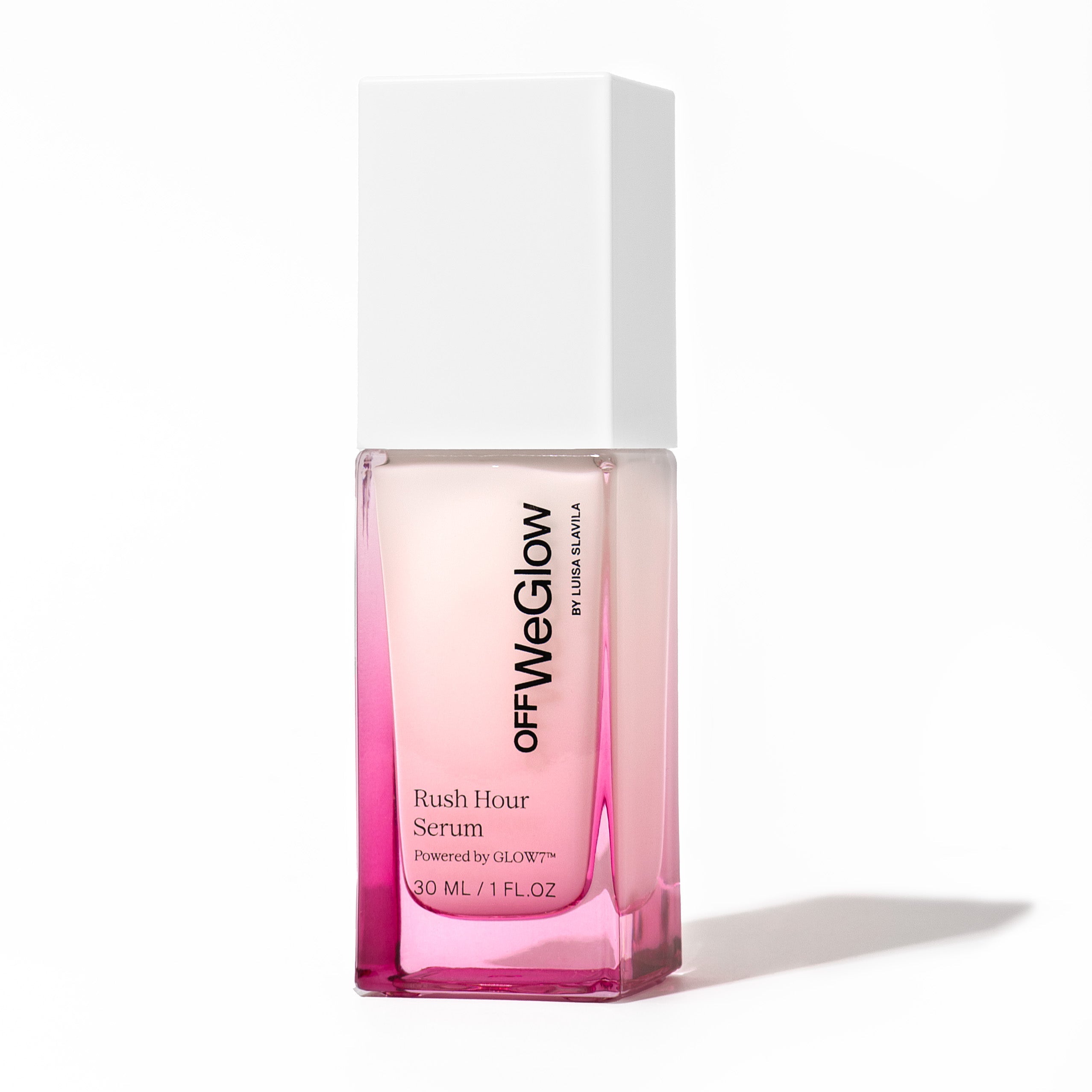
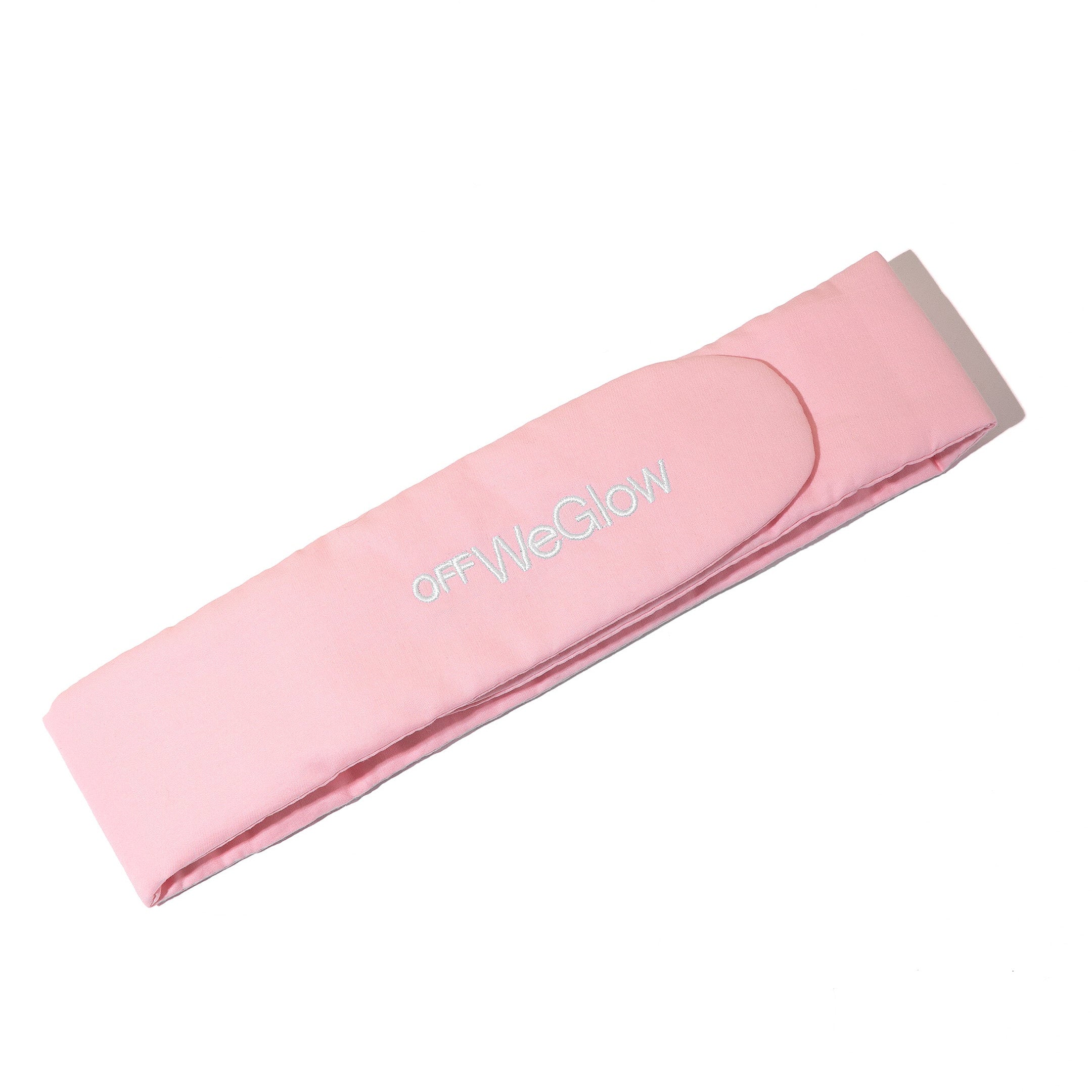
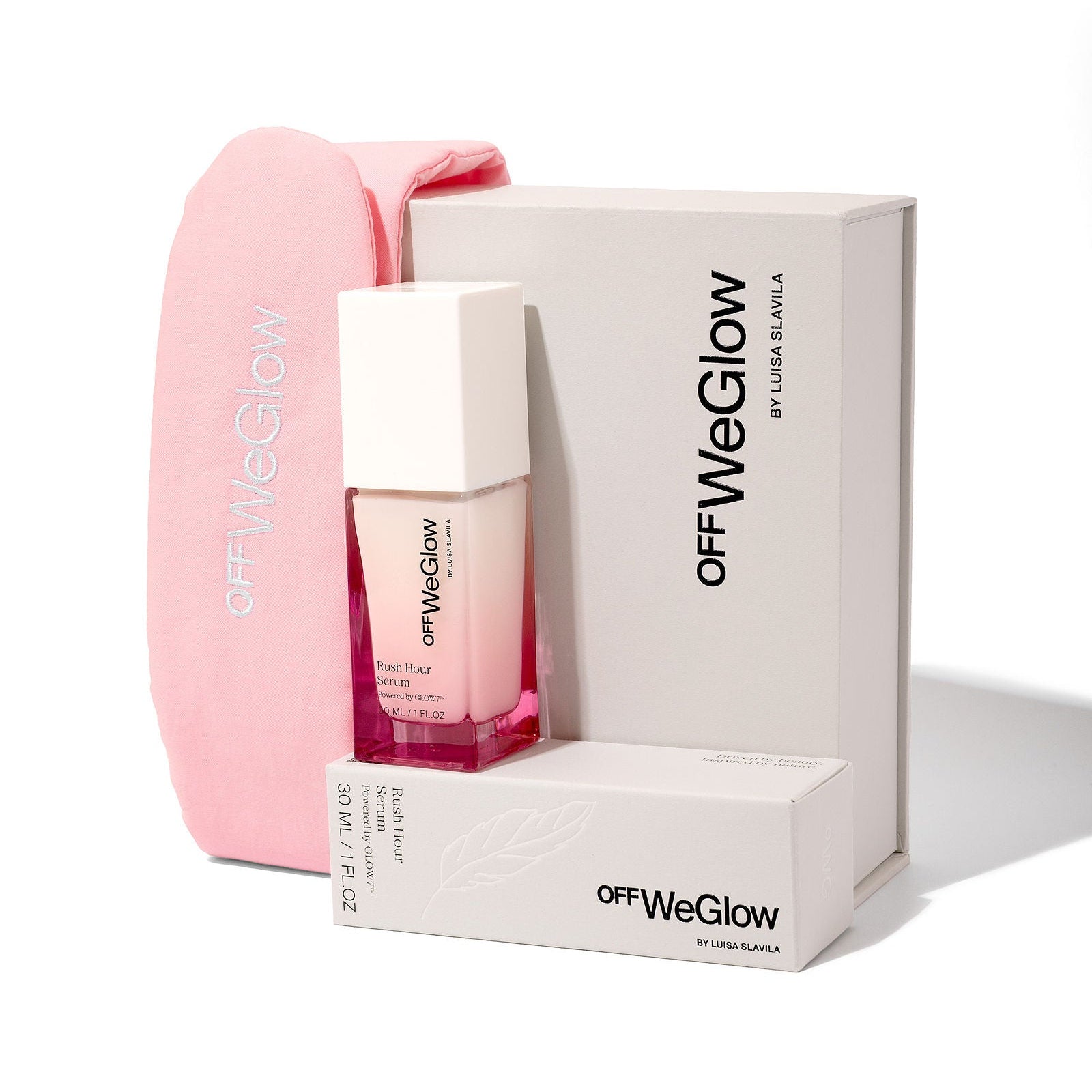
If you prefer a simpler routine, Rush Hour Serum can be used as a lightweight hydrating step. It is designed to support the skin barrier, maintain hydration, and help soothe the appearance of redness. Patch test before use, especially if your skin is currently reactive. Results may vary. Keeping hair away from your face during application with a soft skincare headband can help make your routine more comfortable.
When to See a Dermatologist
Consult a dermatologist if your skin remains persistently uncomfortable, repeatedly becomes reactive, or continues to worsen despite simplifying your routine. Medical advice is particularly important if you develop significant itching, swelling, blistering, oozing, crusting, open or painful areas, or a rash that spreads quickly.
You should also seek professional guidance if the reaction affects your eyes, lips, or mouth, or if you suspect that a prescription treatment is contributing to your symptoms. A dermatologist can identify the underlying cause, rule out conditions that may resemble skin barrier damage, and recommend an appropriate treatment plan for your skin.
FAQs About Why Your Skin May Suddenly React to Everything
Here are answers to some common questions about why your skin may suddenly react to everything:
-
Can stress make my skin feel more reactive?
Stress is not always the direct cause of skin sensitivity, but it can worsen itching, flushing, inflammation, and existing conditions such as Eczema or Rosacea. During prolonged periods of stress, your skin may feel less balanced and become more reactive to products or environmental triggers. A gentle skincare routine, adequate sleep, and healthy stress-management habits may help support overall skin health.
-
Can makeup make a compromised skin barrier feel worse?
Makeup itself is not always the problem, but certain formulas, applicators, and removal methods may irritate already reactive skin. Fragranced products, harsh makeup removers, and excessive rubbing can increase dryness or discomfort. Choose fragrance-free, non-comedogenic products and remove makeup gently using lukewarm water and a mild cleanser. You can use this pore-clogging ingredients checker to review your products more easily.
-
Why has my sensitive skin suddenly gotten worse?
Skin sensitivity can change due to exfoliation, product overload, hormonal changes, environmental conditions, stress, or the introduction of stronger active ingredients. A routine that previously felt comfortable may become harder to tolerate when the skin barrier is overwhelmed. Simplifying your routine and introducing products one at a time may help you identify possible triggers.
Did You Know?
Healthy skin is naturally slightly acidic, which helps support its protective barrier and maintain a balanced skin microbiome. Harsh soaps and overly alkaline cleansers can disturb this environment, which may leave the skin feeling dry, tight, or more reactive. Choosing a gentle, pH-balanced cleanser can help protect this natural balance.
Takeaway
If your skin has suddenly become reactive, it does not necessarily mean that you have permanently sensitive skin. Stinging, tightness, dryness, and visible irritation may be signs of a damaged skin barrier or the result of product overload, over-exfoliation, or another underlying skin condition.
Skin barrier repair often begins with doing less. Simplify your routine, pause unnecessary active ingredients, choose gentle products, and give your skin time to regain comfort. A lightweight formula such as Rush Hour Serum may fit into a barrier-first routine by helping maintain hydration, support the skin barrier, and soothe the appearance of redness. The $16 Trial Set offers a low-commitment way to experience the formula before purchasing the full size. Patch test it separately before first use, particularly if your skin is currently reactive. Results may vary.
If your symptoms persist, worsen, or include significant itching, swelling, blistering, or pain, consult a dermatologist for an accurate diagnosis and personalized treatment plan.
References
1. Barrier Functions of Human Skin: A Holistic View — Skin Pharmacology and Physiology