What Does Squalane Do for Skin? Benefits and Uses


Written by Dr Shamsa Kanwal - Dermatologist
Updated on August 11th 2026
Do you find yourself switching moisturizers constantly, only to end up with skin that still feels dry, greasy, and irritated at the same time? This is a very common experience, especially when products focus on adding moisture but do not support the skin barrier that holds that moisture in. Ingredients like Squalane are often recommended in these situations.
In this article, we will take a closer look at what Squalane does for skin, how it supports hydration, comfort, and barrier health.
 Hydration
 Soothing
 Radiance
 Clarity
Key Highlights
-
Squalane is the stabilized form of squalene, a natural skin lipid that supports softness, flexibility, and barrier function.
-
Unlike squalene, Squalane resists oxidation, making it more reliable and comfortable for daily skincare use.
-
Squalane helps reduce transepidermal water loss, supporting long-lasting hydration without a heavy finish.
-
Squalane is non-comedogenic, so it can work well for oily and acne-prone skin that still needs barrier support.
What is Squalane Oil and Why is It Used for Skin?
Squalane is a lightweight, skin-friendly oil used in skincare to support hydration and help protect the skin barrier [1]. It is the stabilized form of squalene, a lipid your skin naturally produces to limit moisture loss and keep skin feeling soft and flexible [2]. Over time, and especially with environmental stress, natural squalene levels can decline, which is one reason skin may start to feel drier, tighter, or more reactive than it used to [3]. If your skin often feels reactive, tight, or easily irritated, it may help to better understand your skin type — you can explore the key signs in our guide on how to know if you have sensitive skin.
What makes Squalane different is its stability. Squalene is fragile and can oxidize easily, so skincare products use Squalane instead, which keeps the benefits while being more comfortable and predictable on the skin. Squalane absorbs quickly, has a smooth, non-greasy feel, and is generally well tolerated for daily use across most skin types.
Today, Squalane is commonly sourced from plant-based ingredients such as sugarcane or olives, which makes it widely available and more environmentally responsible than older animal-derived sources [4].
Squalane Vs Squalene: Why the Difference Matters
Although the names sound almost identical, Squalane and squalene are not the same. Squalene is the lipid your skin naturally makes as part of its protective oil barrier, which helps maintain softness, flexibility, and overall comfort [2]. This is why squalene is often discussed when people talk about natural skin lipids and barrier function.
The key issue is stability. Squalene oxidizes quickly when it is exposed to air, and once it oxidizes, it becomes less useful in skincare and may be more irritating for some people, especially those with sensitive or reactive skin [5]. That is why topical formulas typically use Squalane, a stabilized form that keeps the squalene skin benefits while reducing the chance of breakdown over time.
In simple terms, Squalane is designed to deliver the feel and function people want from squalene, but in a form that is better suited for modern skincare products.
Squalane Benefits for Skin: Why It Works Well in Daily Skincare
Squalane is a multi-purpose skincare ingredient with a long list of real world benefits. It has a structure that is similar to the lipids already found in healthy skin, which helps it support hydration without throwing the skin barrier off balance. Below are the Squalane benefits for skin that make it such a reliable option in many routines.

Provides Hydration Without Feeling Heavy
Squalane oil helps skin hold onto water, which supports lasting hydration and a smoother feel [1]. It absorbs quickly and does not sit on the surface like a thick, greasy layer. This makes Squalane a good fit for the skin if you like lightweight routines or if richer creams tend to feel uncomfortable during the day.
Non-Comedogenic for Acne-Prone and Oily Skin
Squalane is considered non-comedogenic, meaning it is unlikely to clog pores [1]. That is why it is often recommended for oily and acne-prone skin types that still need barrier support. Because it mimics natural skin lipids, it can help skin feel balanced rather than looking shinier or more congested.
While Squalane itself is considered non-comedogenic, overall product formulation still matters, and checking ingredient lists can help you avoid unnecessary irritation — you can use this pore-clogging ingredients checker to review your products more easily.
Supports Elasticity and Softens the Look of Fine Lines
When skin is consistently hydrated, it usually looks smoother and more elastic. By helping reduce moisture loss, Squalane supports skin resilience and can soften the appearance of fine lines that are made worse by dryness [6]. With steady use, the skin can look healthier, more supple, and less rough to the touch.
If your skin still feels dry despite using moisturizers, there may be underlying factors affecting how well your skin retains hydration — you can explore them in our guide on why your skin feels dry even when you moisturize.
Calms Dryness and Barrier Related Sensitivity
Squalane is generally well tolerated, even by people who describe their skin as sensitive or reactive. It can ease the tight, uncomfortable feeling that often comes with barrier disruption and dryness. If you have eczema-prone skin, it can be a supportive layer for comfort, although it is not a treatment for eczema itself and should be paired with the plan your clinician recommends.
When the barrier is compromised, skin can feel both dry and reactive at the same time — understanding how to restore it properly can make a significant difference, as explained in our guide on damaged skin barrier repair.
Works Well Across Most Skin Types and Product Textures
Squalane suits dry, oily, combination, and sensitive skin because it is lightweight and tends to be non-irritating. You will also find it in different textures, including serums, moisturizers, and facial oils, so it is easy to fit into routines without changing everything else.
Helps Other Products Feel More Comfortable on Skin
Squalane can improve slip and spreadability, which helps products apply more evenly and reduces friction on the skin. When paired with active ingredients such as BVOSC, SYN-AKE, and Niacinamide, it can make the overall routine feel gentler and more comfortable, especially if your skin gets easily irritated.
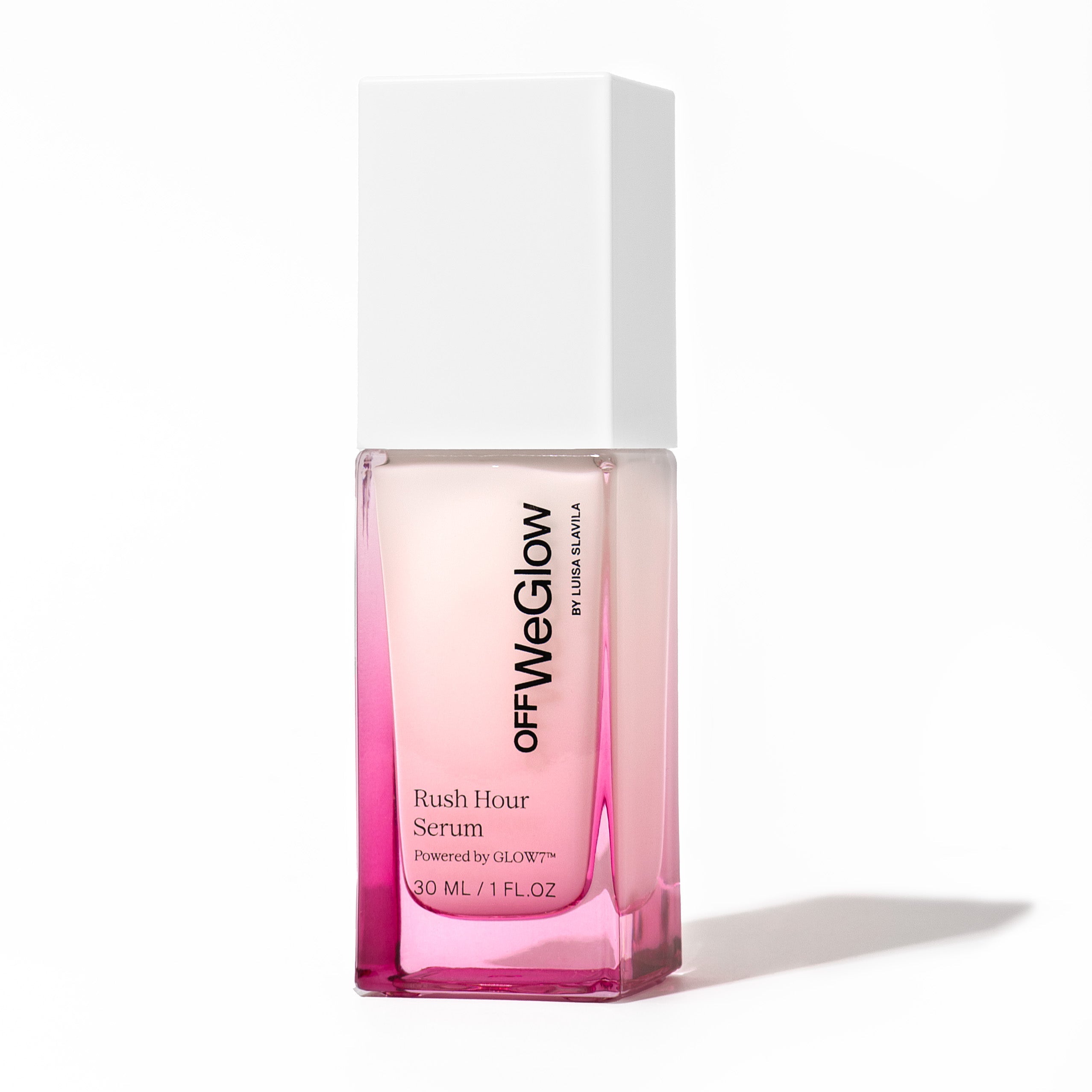
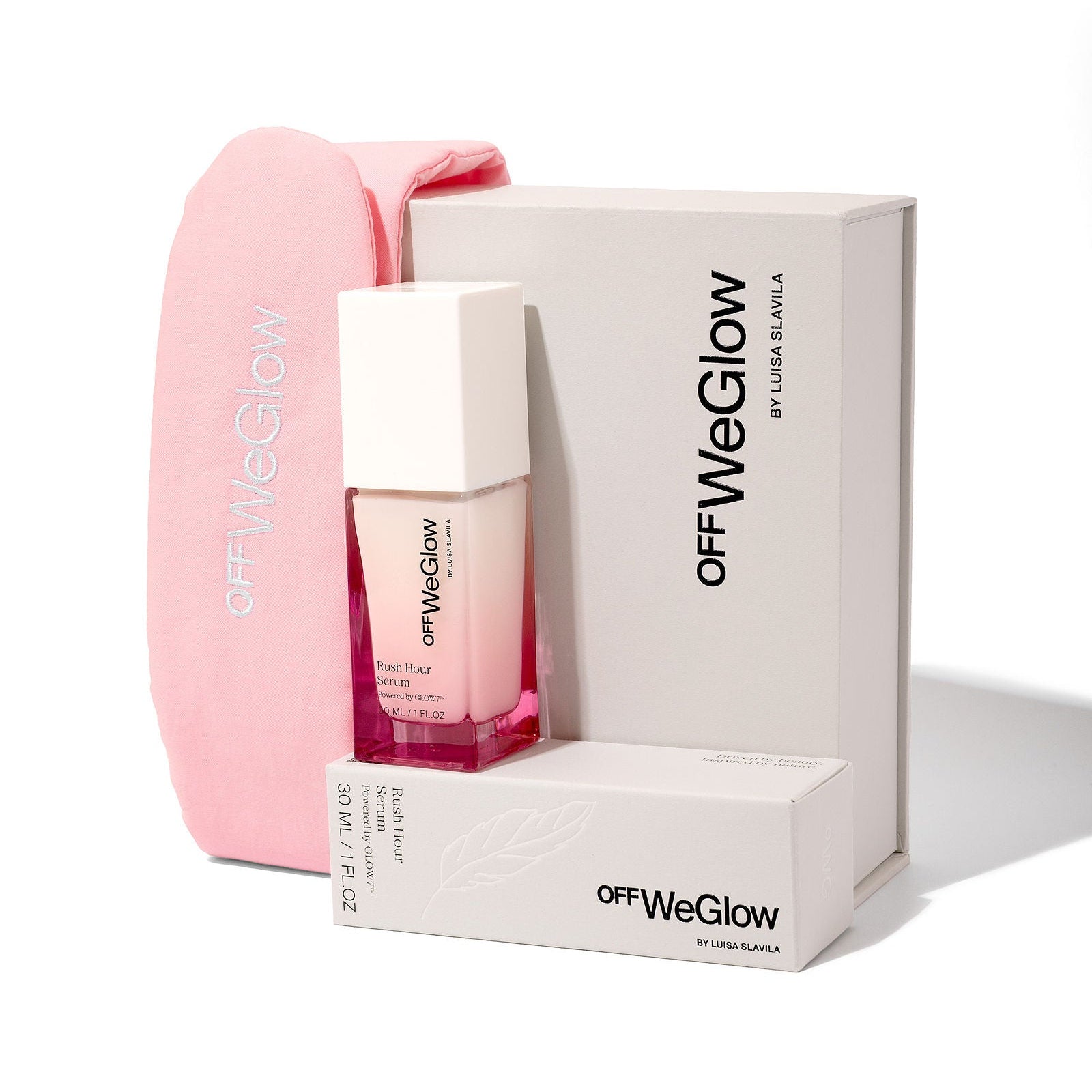
For a simple routine, apply Rush Hour Serum first, then follow with a Squalane-based moisturizer or facial oil. Rush Hour Serum combines Niacinamide and BV-OSC with hydrating and calming ingredients to support barrier resilience, improve skin comfort, and promote a more even-looking complexion. Results may vary.
Where You Can Find Squalane In Skincare
The table below shows the most common product types that include Squalane and where they typically fit in a simple daily skincare routine. Use it as a quick guide to understand how Squalane supports hydration and barrier comfort without feeling heavy.
| Product Type | What Squalane Does There |
|---|---|
| Hydrating serums | Boosts hydration and supports barrier comfort |
| Moisturizers | Softens skin and helps reduce moisture loss |
| Barrier-repair creams | Supports barrier recovery in dry or sensitive skin |
| Lightweight facial oils | Seals in hydration for a smooth, non-greasy finish |
How to Use Squalane in Your Skincare Routine
The simplest way to use Squalane is to choose it in a stabilized serum formula, ideally one that is already combined with barrier-supporting ingredients such as Niacinamide and brightening antioxidants like BVOSC. These combinations are designed to layer smoothly and can feel more comfortable than trying to mix separate products at home. Since Niacinamide is often used alongside other actives, it’s also important to understand which combinations to approach carefully — you can read more in our guide on what not to mix with niacinamide.
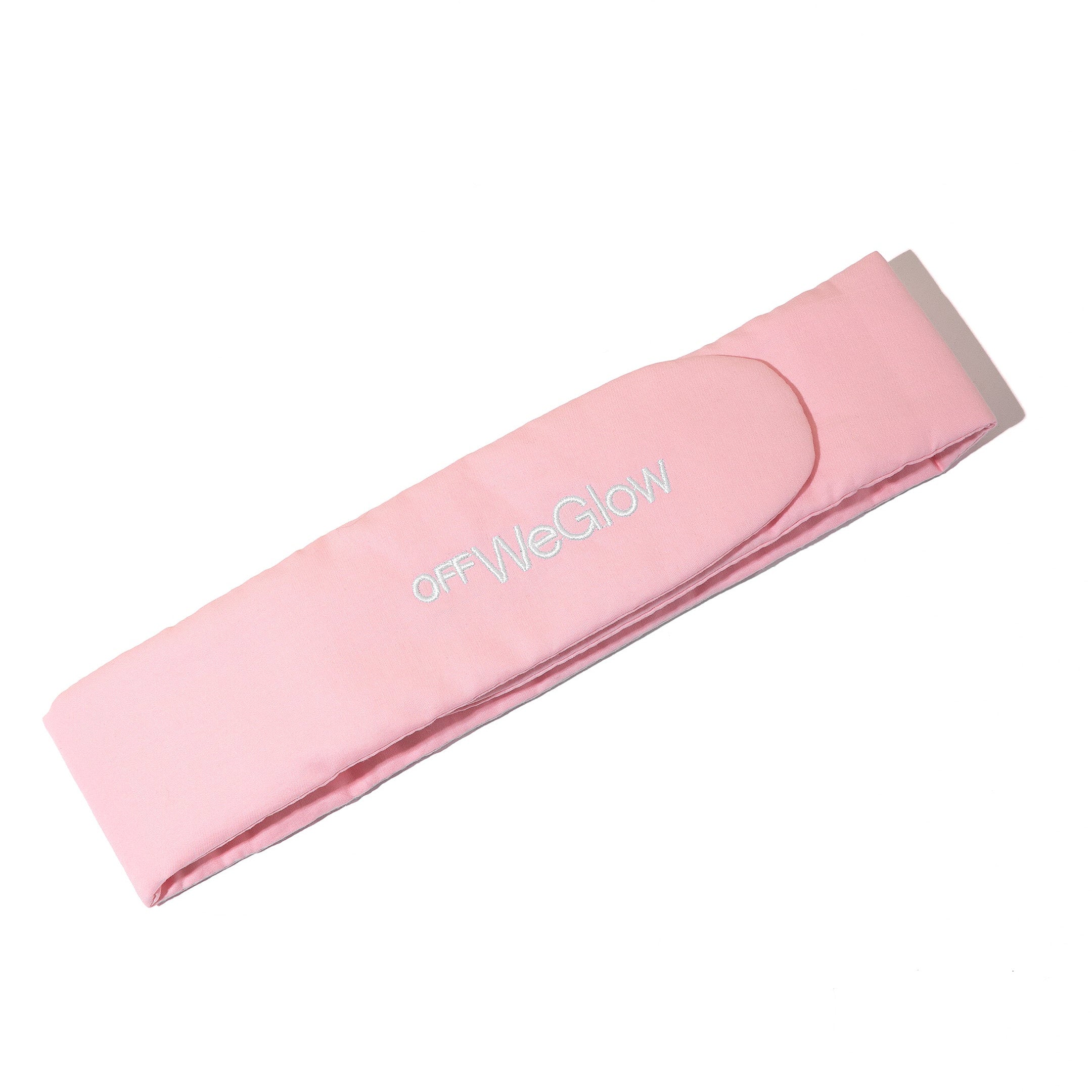
Apply the serum after cleansing, press a thin layer onto slightly damp skin to help seal in hydration and reduce transepidermal water loss, then follow with moisturizer if needed. In the morning, finish with broad-spectrum SPF 30+ to protect the barrier and prevent dryness and sensitivity from worsening. Keeping hair away from your face during application with a soft skincare headband can help make your routine more comfortable.
FAQs About What Does Squalane Do for Skin
Here are a few of the most commonly asked questions about what does Squalane do for skin:
-
Is Squalane comedogenic?
No. Squalane is considered non-comedogenic, meaning it is unlikely to clog pores. Unlike heavier oils that can sit on the surface, Squalane has a lightweight structure that tends to absorb easily without blocking follicles.
-
Can you use Squalane every day?
Yes. You can use Squalane for skin daily, both morning and night, as long as your skin tolerates it. It supports hydration and barrier comfort without feeling greasy for most skin types.
-
Is Squalane better than traditional facial oils?
Squalane is often preferred over many traditional facial oils because it is lightweight, stable, and less likely to oxidize. Some plant oils can break down over time or feel heavy on acne-prone skin, while Squalane tends to feel smoother and more predictable in a routine.
-
Can Squalane be used during pregnancy?
In general, Squalane is considered a low risk, pregnancy-friendly option for topical skincare because it is a simple moisturizing lipid and is not known to act like a hormone. It can be a gentle way to manage dryness and sensitivity during pregnancy. If you have a specific skin condition or you are using prescription products, it is still reasonable to confirm your routine with your clinician.
-
Can Squalane be used with other active ingredients?
Yes. One of the most useful Squalane benefits for skin is how easily it fits around active ingredients. It pairs well with water-based serums such as BVOSC and Niacinamide and can make a routine feel more comfortable by reducing dryness and friction during application. Squalane does not block actives, but it can support better tolerability when you use it consistently.
Did You Know?
Your skin’s natural production of squalene tends to be highest in the teen years and gradually declines over time, which is one reason many people notice more dryness and sensitivity as they get older. This drop in skin lipids can make barrier support feel more important than it did in early adulthood. That is why skin-compatible ingredients like Squalane are often used to help skin feel softer, steadier, and less easily irritated with age.
Takeaway
Squalane is a lightweight, stable, skin-identical lipid that helps reduce moisture loss, support the skin barrier, and improve overall comfort without feeling greasy or clogging pores. It fits easily into most routines, can be used daily (morning and night if tolerated), and layers well with actives like Niacinamide and Vitamin C derivatives to make skincare feel gentler. With consistent use, it can support smoother-looking, more resilient skin. Results may vary.
References
1. Squalane Oil in Skincare: Benefits for Hydration and Elasticity
2. Bulletin of the Polytechnic Institute of Iasi — Chemistry and Chemical Engineering, 2024
3. Springer — Skin Lipids and Barrier Function
4. Plant-Derived Squalane Sourcing in Cosmetic Formulation
5. International Journal of Cosmetic Science — Squalene Oxidation and Skin