Neck Acne: Causes, Hormonal Triggers & Treatment


Written by Dr Shamsa Kanwal - Dermatologist
Updated on August 4th 2026
Have you ever had acne on your neck show up out of nowhere, then hang around no matter how careful you are with skincare? Neck acne can feel stubborn and confusing, especially when your face is calm and your routine is consistent. These breakouts are rarely truly random. Hormonal shifts, friction from clothing or hair, sweat, and product residue can all trigger clogged pores and inflammation in this area.
In this article, we break down what causes neck acne, including hormonal acne on neck patterns, lifestyle triggers, and skin-specific factors that make the neck more prone to recurring breakouts.
 Hydration
 Soothing
 Radiance
 Clarity
Key Highlights
-
Neck acne is common because the neck is a high-contact area. Sweat, tight collars, masks, and hair product residue can clog pores and keep bumps inflamed longer than facial acne.
-
Hormonal acne on neck often follows a pattern. In women, flares may show up before a period, after pregnancy, or around perimenopause, while men may flare with shaving irritation, heavy sweating, and friction from sports gear.
-
Breakouts on the neck are not always classic acne. They can also be comedonal acne, deeper cystic acne on neck, fungal acne, or folliculitis, and the right treatment depends on the type.
-
A neck-friendly routine works best. Cleanse gently, exfoliate carefully 1 to 2 times weekly, use non-comedogenic barrier-supportive ingredients, and apply broad-spectrum SPF 30+ daily to help prevent dark marks.
What is Neck Acne?
Neck acne refers to pimples, small bumps, or inflamed lesions that develop on the front, sides, or back of the neck. Like facial acne, it forms when pores become clogged with oil, dead skin cells, and bacteria, which then leads to inflammation [1].
Neck skin is thinner and often more reactive than facial skin, and it typically has fewer oil glands [2]. This can make breakouts slower to settle and easier to irritate. As a result, neck acne may look deeper, feel more tender, or keep coming back, especially when friction, sweat, or hormonal changes are part of the picture.
What Causes Neck Acne?
Neck acne rarely has just one cause. Most people notice it when a few triggers overlap, such as skin sensitivity plus daily friction, sweat, or product buildup. The most common causes of neck acne are listed below.

Oil Buildup and Blocked Pores
Even though the neck does not produce as much oil as the face, pores can still clog. When natural oil mixes with sweat, dead skin cells, or leftover skincare and hair products, it can block the pore opening and lead to neck acne [3]. This is one reason breakouts can appear after workouts, humid weather, or heavier product use.
Friction and Sweat
Your neck is exposed to constant rubbing from tight collars, scarves, face masks, helmets, and even hair resting against the skin. Repeated friction combined with trapped heat and sweat can irritate the skin barrier and make pores more likely to clog. Over time, this irritation can turn a mild bump into a more inflamed acne breakout on the neck.
Hair and Skincare Products
Shampoos, conditioners, and styling creams can run onto the neck during washing or styling. Many of these formulas are richer than facial products and can leave residue that contributes to clogged pores if not rinsed away well. This is especially common along the hairline or the back of the neck, where buildup can easily collect. If you are unsure whether your products may be contributing, you can check them using our free pore-clogging ingredients checker.
Shaving and Hair Removal
Shaving and other hair removal methods can irritate the delicate skin on the neck. Razors may cause tiny cuts, ingrown hairs, or inflammation around follicles, which can lead to bumps that look and feel like acne [4]. If you develop painful, deeper lesions after shaving, it can sometimes mimic cystic acne on the neck, but irritation and ingrown hairs are often part of the cause.
Types of Acne on the Neck and Common Lookalikes
Not all neck acne looks the same, and some acne on neck breakouts are actually lookalikes, such as folliculitis. Getting the type right matters because treatments that work well for blackheads may do very little for itchy, uniform bumps, and stronger acne products can sometimes irritate a sensitive neck further.
Inflammatory Acne
Inflammatory neck acne shows up as red, swollen bumps that may feel tender or sore to the touch [5]. You might see pustules with visible pus, or deeper, painful lumps under the skin. When those deeper lumps are frequent and slow to settle, it is cystic acne on the neck, and it tends to flare more with friction and hormonal shifts.
Comedonal Acne
Comedonal acne looks like whiteheads and blackheads and usually causes less pain and redness than inflammatory breakouts [4]. A key clue is the presence of clogged pores that feel like small, firm bumps. This type often responds best to gentle pore-clearing routines and consistent skin barrier support.
Fungal Acne
Fungal acne, also called Malassezia folliculitis, looks like small, same sized bumps that often itch more than they hurt. These bumps tend to appear in clusters and commonly worsen with sweating, humidity, and occlusive products that trap heat on the skin. Unlike classic acne, you may not see blackheads. If you’re unsure whether your breakouts fall into this category, you can learn more in our guide on fungal acne causes, symptoms, and treatment.
Folliculitis
Folliculitis happens when hair follicles become inflamed, often from shaving, friction, or bacterial overgrowth. It usually follows the pattern of hair growth on the neck and can feel itchy or irritated rather than deeply painful. The bumps may have a small central hair or tiny pustule, which can help distinguish them from typical neck acne.
Hormonal Acne on Neck: Triggers And Patterns
Hormonal acne on the neck often starts when oil glands respond strongly to shifts in hormones, especially androgens. When these signals rise or fluctuate, oil production and inflammation can increase, making pores more likely to clog and break out.
Hormonal patterns vary from person to person, but neck acne causes in women often include predictable flares before a period, postpartum shifts, perimenopause, and hormone related conditions that should be assessed if acne is persistent. In men, breakouts may track with androgen activity, sweating, friction from collars or sports gear, shaving irritation, and sometimes supplements that affect hormones.
The comparison below highlights how hormonal neck acne commonly presents in women versus men.
| Neck Acne in Women | Neck Acne in Men |
|---|---|
| Cycle-related hormone shifts can trigger neck and jawline breakouts | Androgens such as Testosterone can increase oil production and clog follicles |
| Pregnancy, postpartum changes, and perimenopause can trigger flare-ups | Shaving, friction, and ingrown hairs can irritate skin and worsen bumps |
| PCOS may contribute to persistent jawline and neck acne | Breakouts often cluster along the beard line, jawline and upper neck |
How to Treat Neck Acne Safely And Effectively
Treating neck acne works best when you balance acne control with barrier care. The neck is more easily irritated than the face, so harsh scrubs, frequent exfoliation, or strong actives used too often can backfire and keep inflammation going. The safest and most effective ways to treat neck acne are outlined below:
Gentle Cleansing
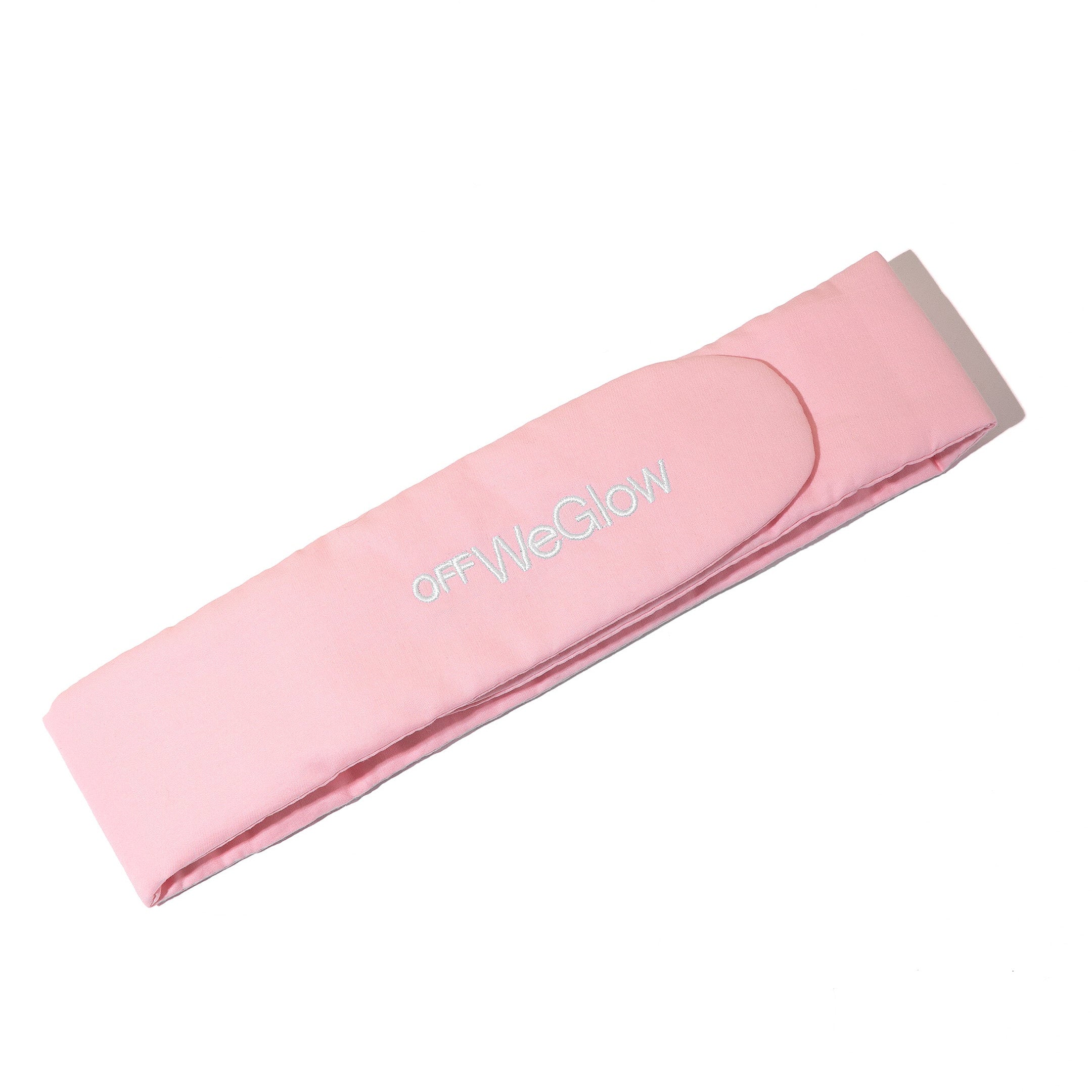
Consistent cleansing is the foundation of managing neck acne. Use a mild, non-stripping cleanser to remove sweat, oil, and daily buildup without leaving the skin tight or stinging. Keeping hair away from your neck during cleansing, for example with a soft skincare headband, can help make your routine more precise and reduce contact with product residue. Cleanse your neck along with your face twice daily, morning and evening, and avoid rough cloths or abrasive tools that can worsen redness and tenderness.
Mild Exfoliation
Exfoliation can help lift dead skin cells and reduce pore congestion, but it should be done carefully on neck skin [6]. If you exfoliate, choose gentle options such as Jojoba Beads, Oatmeal, or Fruit Enzymes that support skin renewal without aggressive friction. Keep it to 1 to 2 times per week and stop if you notice stinging, increased redness, or a sandpaper feeling, which can be signs you are overdoing it. If you want a more tailored approach, you can explore our guide on how to exfoliate for your skin type.
Supportive Ingredients
After cleansing and gentle exfoliation, focus on ingredients that calm irritation, soothe visible redness, and support the skin barrier. These can make a noticeable difference when you are trying to figure out how to get rid of neck acne without triggering more sensitivity. Key options include:
-
Squalane. Squalane helps lock in moisture, supports barrier function, and is non-comedogenic, which can be helpful when the neck feels dry but still breaks out [7].
-
BVOSC. A gentle form of Vitamin C that supports brighter looking skin and helps with the appearance of minor visible damage while staying suitable for sensitive areas like the neck. If you’re curious about how Vitamin C fits into acne-prone routines, you can read more in our guide on vitamin C and acne.
-
Niacinamide. Niacinamide helps reduce the appearance of redness, supports a more balanced oil response, and strengthens the skin barrier, which is useful when friction and sweat keep triggering acne on neck [8].
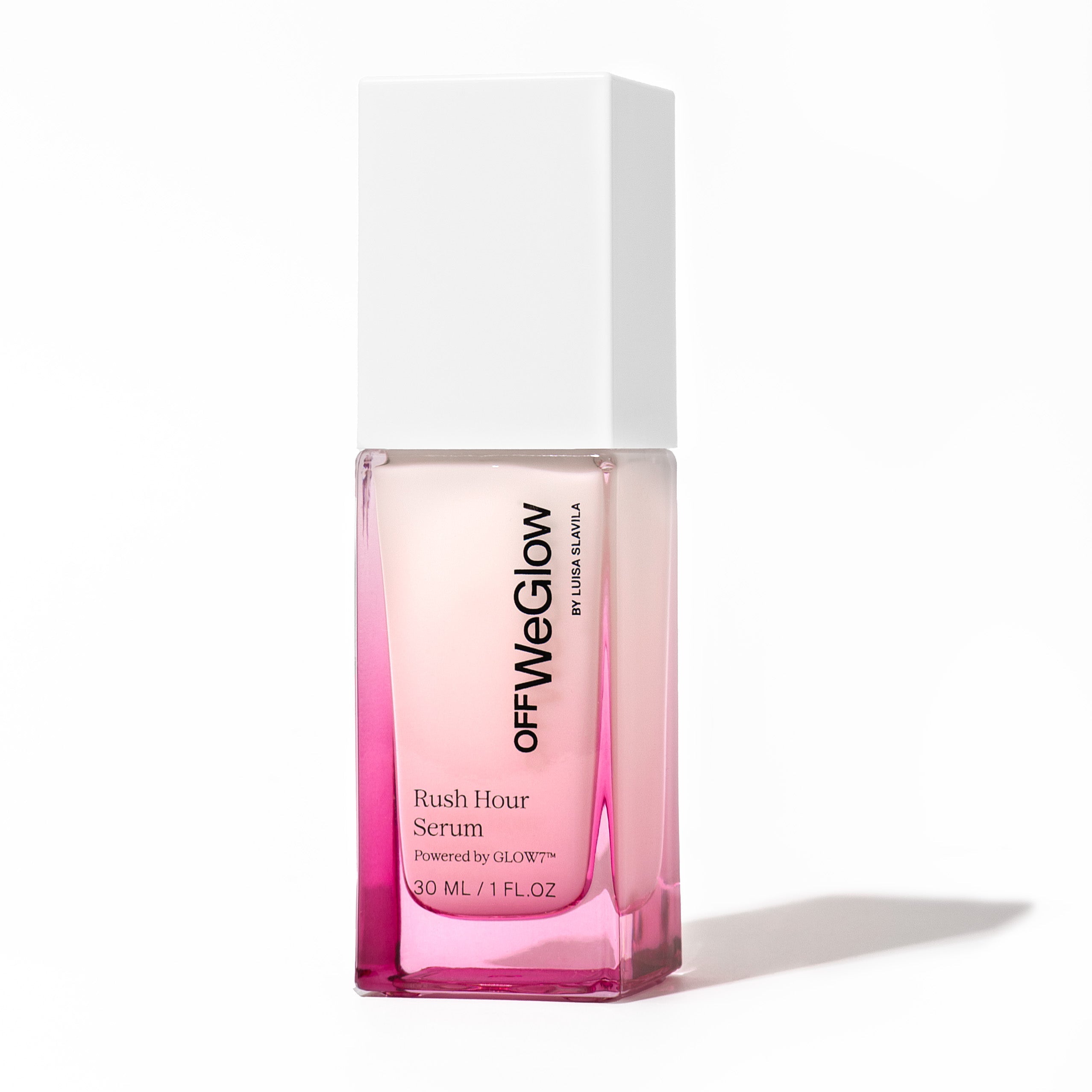
If you prefer to keep your routine simple, Rush Hour Serum combines Niacinamide and BVOSC with Saccharide Isomerate and calming ingredients such as PEACHCALM™ and SYRICALM®. Its lightweight, fragrance-free, non-comedogenic formula is designed to hydrate sensitive, breakout-prone skin, support the skin barrier, and improve overall skin comfort without adding a heavy layer to the neck. Results may vary.
Moisturizers
Moisturizing is an important step for neck acne because hydrated skin is less reactive and less likely to stay inflamed. Choose lightweight, non-comedogenic formulas that absorb easily and do not feel heavy under clothing. Moisturizers containing PEACHCALM™ or SYRICALM® can be a good fit because they hydrate while also supporting a calmer, stronger barrier. You can explore our guide on the best face moisturizer for sensitive skin for more guidance.
Sun Protection
Daily broad-spectrum SPF 30+ helps protect the barrier and lowers the chance of post-inflammatory pigmentation after breakouts settle. Apply sunscreen as the final step of your morning routine after moisturizer, and remember to cover the full neck, including the sides and back, if those areas break out. Consistent protection matters even when the acne is improving because UV exposure can make marks linger longer.
Lifestyle Habits That Help Prevent Neck Acne
Daily habits matter because the neck is a high-contact zone for sweat, fabric, and product residue. Small changes done consistently can reduce triggers and help prevent new breakouts.
-
Shower promptly after sweating so sweat, oil, and bacteria do not sit on the skin long enough to clog pores.
-
Wear loose, breathable clothing to reduce friction and limit heat buildup against the neck.
-
Keep hair products off the neck by rinsing thoroughly and washing the neck last so residue does not stay behind.
-
Clean phone screens, headphones, collars, and scarves regularly because repeated contact can reintroduce bacteria and irritants.
-
Avoid picking or squeezing bumps because it prolongs inflammation and increases the risk of scarring and lingering marks.
FAQs About What Causes Neck Acne
Here are a few of the most common questions about neck acne:
-
Does sweating make neck acne worse?
Sweat itself is not the main problem, but it can set the stage for breakouts when it mixes with oil, bacteria and friction from clothing or hair. That combination can clog pores and irritate the skin, especially in warm, humid conditions. A simple step that helps is gently cleansing your neck soon after heavy sweating and changing out of damp clothing to reduce buildup.
-
Why do I have pimple-like bumps on my neck that won’t pop?
Bumps that look like pimples but do not pop are often not classic acne whiteheads. They may be inflamed hair follicles, clogged pores that sit deeper under the skin, or irritation from repeated friction and a weakened skin barrier. Because neck skin is thinner and more reactive, these bumps can stay firm and inflamed rather than forming a visible head. If they are painful and deep, they may resemble cystic acne on neck, which usually needs a gentler approach and sometimes professional treatment.
-
Why does neck acne keep coming back?
Neck acne often returns when the same triggers keep repeating, even if your face stays clear. Common reasons include hormonal shifts, friction from collars or hair, sweat and heat, and leftover hair products or skincare residue. Look for a consistent pattern like workouts, tight clothing, shaving, or pre-period flares, then adjust those triggers along with your routine.
Did You Know?
The neck has fewer oil glands and a thinner protective barrier than the face, so it can react faster to sweat, friction, and hormonal fluctuations. That is why neck acne can become inflamed more easily, take longer to settle, and leave dark marks even after the bumps flatten.
Takeaway
Neck acne is rarely random. It is usually driven by a mix of clogged pores, friction, sweat, hair product residue, and hormonal acne. The most reliable approach is to treat the neck like a sensitive zone: cleanse gently twice daily, exfoliate carefully and infrequently, use supportive ingredients like Squalane, BVOSC, and Niacinamide, and moisturize with non-comedogenic formulas so the barrier stays calm. Daily broad-spectrum SPF 30+ helps prevent post-acne dark marks and supports long-term skin resilience.
When breakouts are deep, painful, recurrent, or leave marks, it is worth considering cystic acne on the neck or a lookalike such as folliculitis and getting a tailored plan from a dermatologist.

Use code GLOW15 for 15% off
References
1. Acne: Causes and Amazing Remedial Measures for Acne
2. Dermatological Reviews — Wiley Online Library
3. Indo American Journal of Pharmaceutical Research — Acne
4. World Journal of Pharmaceutical Research — Acne Vulgaris
5. A Brief Review on Acne Vulgaris
6. Review Article: Skin Care with Exfoliation